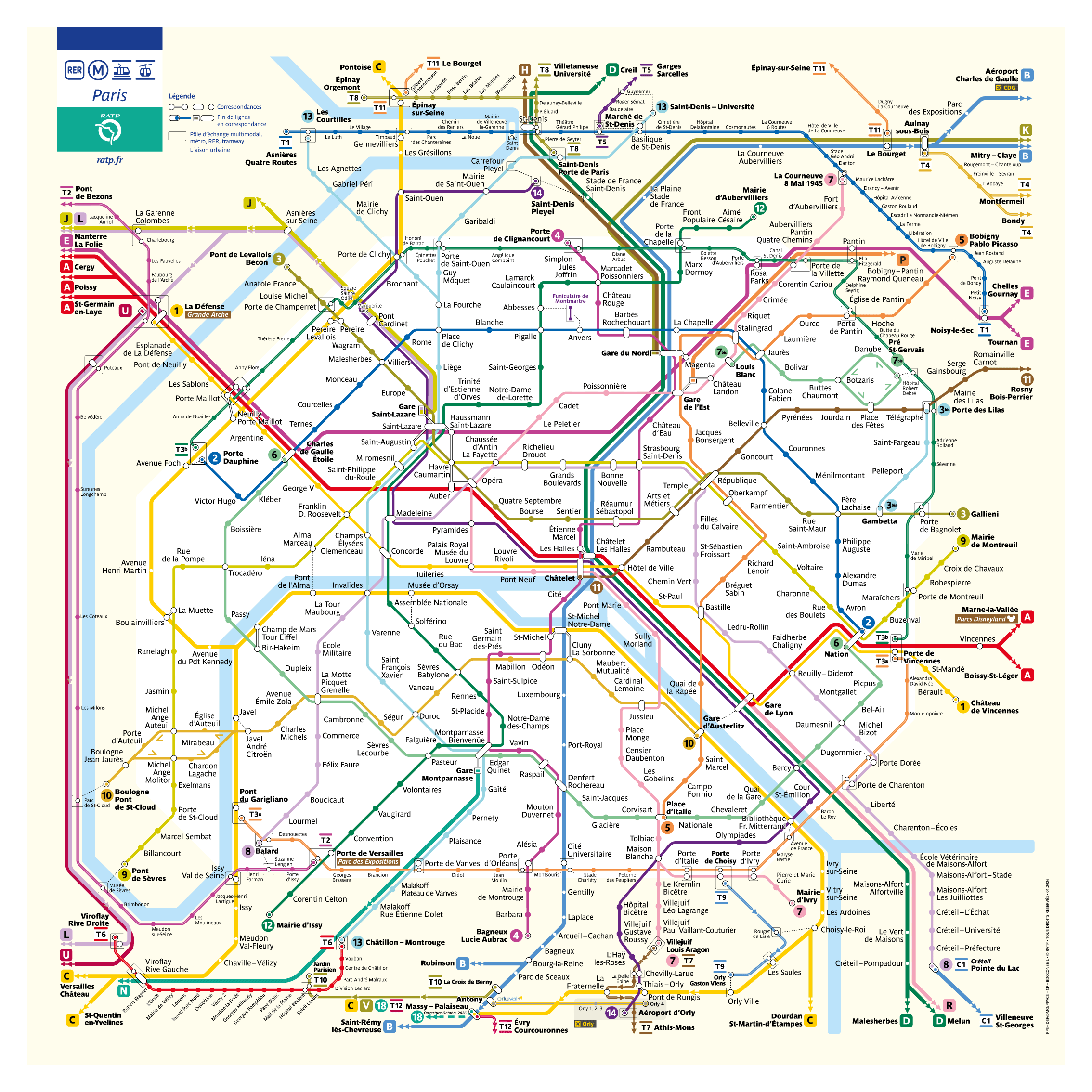
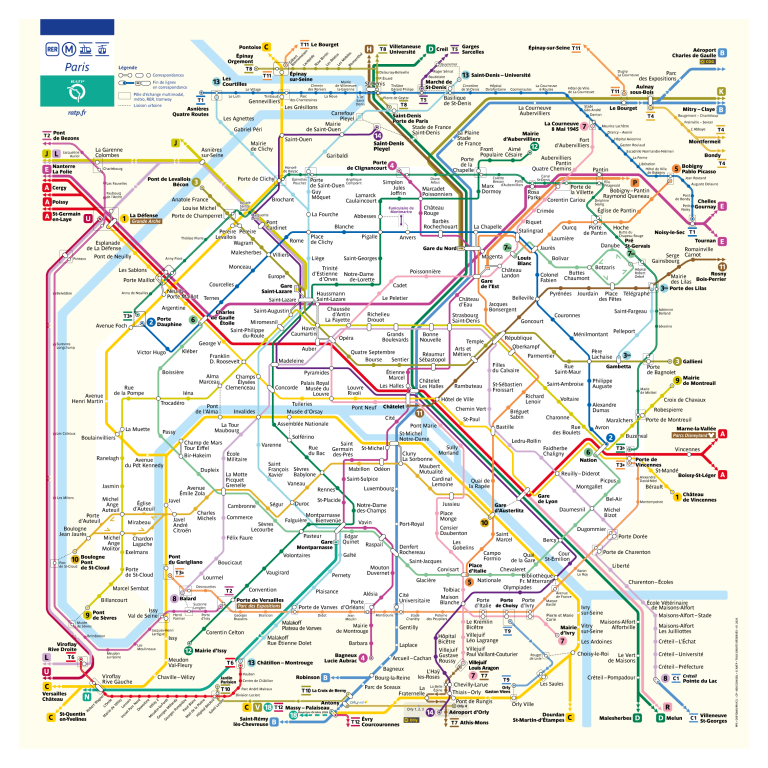
If you’ve not been to Paris in a while, the metro system has changed quite a bit. It’s now so much easier (and cheaper) than it used to be.
On our recent trip to Paris (including getting to Disneyland, the airport and Villepinte) we used it quite a lot, so I wanted to put together a really simple, real-life guide based on what it’s actually like now. Not just what Google says (as most of what I found was incorrect).
The biggest change (and why it matters)
The main thing to know is that Paris has introduced a flat fare system when travelling between zones 1-5.
That means one journey now costs €2.55, and that covers pretty much everything — metro, RER trains and even longer journeys out of the city.
Previously, if you were going from zone 1 to 5, this would be a higher fare in comparrison to travel that starts and ends within a single zone.
You can now get from central Paris to Disneyland Paris for the same price as a short metro ride. It still feels wrong saying that, but it’s true.
The only exception to this is the airport. If you’re travelling to or from Charles de Gaulle Airport or Orly, you’ll still need a separate ticket, which is €14
Quick note before we begin. This blog may contain affiliate links. This means we may earn a small commission if you make a purchase through them. It helps keep Build a Break running and allows us to keep sharing budget travel guides like this one.
How to Get from CDG Airport by Metro
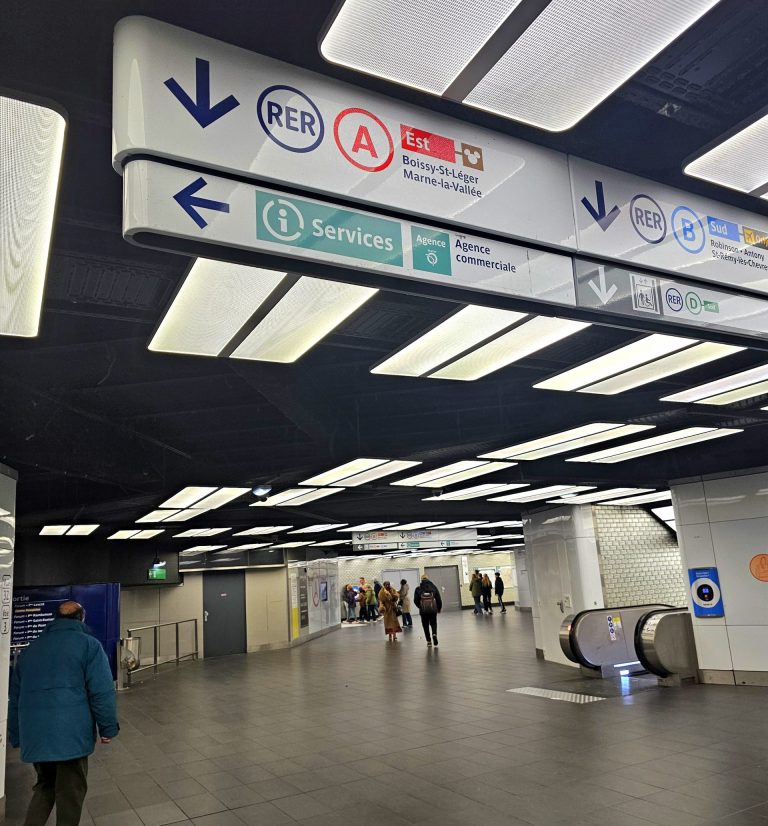
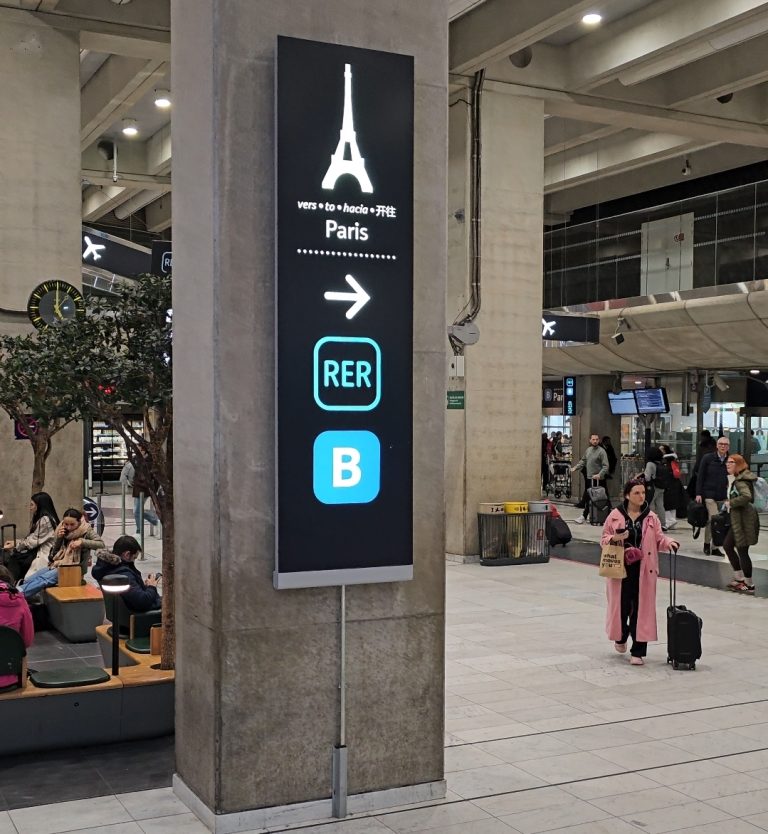
When you arrive, just follow the signs in the airport for the metro/RER. They’re really clear - big blue boxes with a RER B wrote in them.
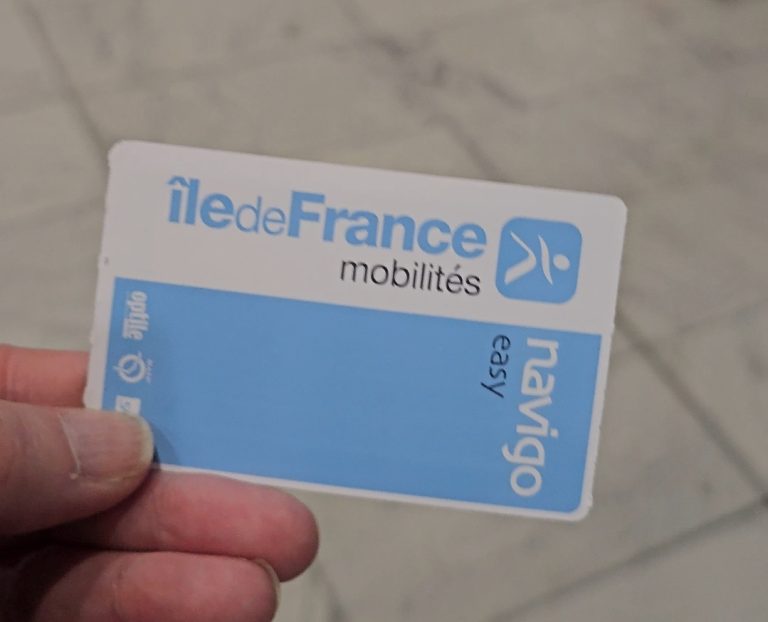
Once you get to the station, you’ll see the machines where you can buy metro tickets (including the Navigo Easy card). It costs €2 for the re-useable card, and you can actually buy it with your airport journey already loaded onto it, which makes things really simple.
You’ll need to tap the card at the barriers to get in and again to get out, so don’t put it away too quickly.
If you're heading directly from the airport to Disney instead of central Paris, we've also put together a full CDG to Disneyland Paris guidewith train, transfer and taxi options.
From landing at the airport to getting on the train
This is the bit people worry about most, but it’s genuinely straightforward once you know what to look for.
When you land at Charles de Gaulle Airport, follow signs for arrivals, go through passport control (this can take a while — we allowed over an hour), and collect your luggage if you have any.
Once you come out into the arrivals hall, start looking for signs that say “Paris by train”, RER B, or sometimes just Train / Gare. They’re usually blue with a train symbol, and if you just keep following them, they’ll take you all the way to the station.
When you get there, use the machines to buy your Navigo Easy card and load your airport journey onto it. We also added a few extra metro journeys at the same time so we didn’t have to queue again later, which made things much easier.
Once you’ve got your card, tap through the barriers and head down to the platform.
You’re looking for the RER B in the direction of Saint-Rémy-lès-Chevreuse or Robinson. Both go into central Paris, so don’t worry too much about which one it says.
The journey into the city takes around 30–40 minutes, and when you arrive, just follow the signs to exit and tap your card again at the barriers.
Paris Metro 'Navigo' top up card
The Navigo App
Download the Île-de-France Mobilités app — it’s honestly a game changer.
Not only can you top up your card by tapping it to the back of your phone (with NFC turned on), but you can also:
Put in where you’re travelling from and to
See the exact route
Check next trains and timings
It takes all the guesswork out of it, especially if you’re not familiar with the system.
Loading your tickets
Once we’d worked out roughly what we wanted to do over the trip, we just added up our journeys.
For us, that was about 5 trips each, so we loaded 5 tickets onto each card in one go.
It meant we didn’t have to keep stopping at machines or queueing at stations, which made a big difference, specially when it’s busy.
Using the metro (what it’s actually like)
Using the system itself is really straightforward.
You tap your card to get in, follow the signs to your line, and then tap out again if needed at your destination (mainly on the RER lines).
You can switch between metro and trains within a two-hour window, so most journeys are seamless.
After a couple of goes, it becomes second nature.
Getting to Disneyland Paris using the Metro
To get to Disneyland Paris, head into central Paris and change onto the RER A at somewhere like Châtelet.
Take it in the direction of Marne-la-Vallée Chessy — it’s the last stop, so you can’t miss it.
The journey takes around 45–60 minutes, and now costs just €2.55, which is a huge change from how it used to be.
Getting to the exhibition centre (Villepinte) using the Metro
If you’re heading to Parc des Expositions, you’ll be using the RER B again.
Take it in the direction of the airport and get off at Parc des Expositions. It’s about 25 minutes from Gare du Nord.
This journey is covered by the €2.55 fare, so you can just tap and go, despite only being one stop away from CDG airport.
Getting around to the main sights
Most of the main sights are really well connected, so once you get used to the metro, getting around is easy.
The Eiffel Tower is closest to Champ de Mars or Trocadéro, the Louvre is on Line 1, Notre Dame is near Saint-Michel, and Montmartre is a short walk from Anvers.
You don’t need to overplan it. Just use the app and follow the signs.