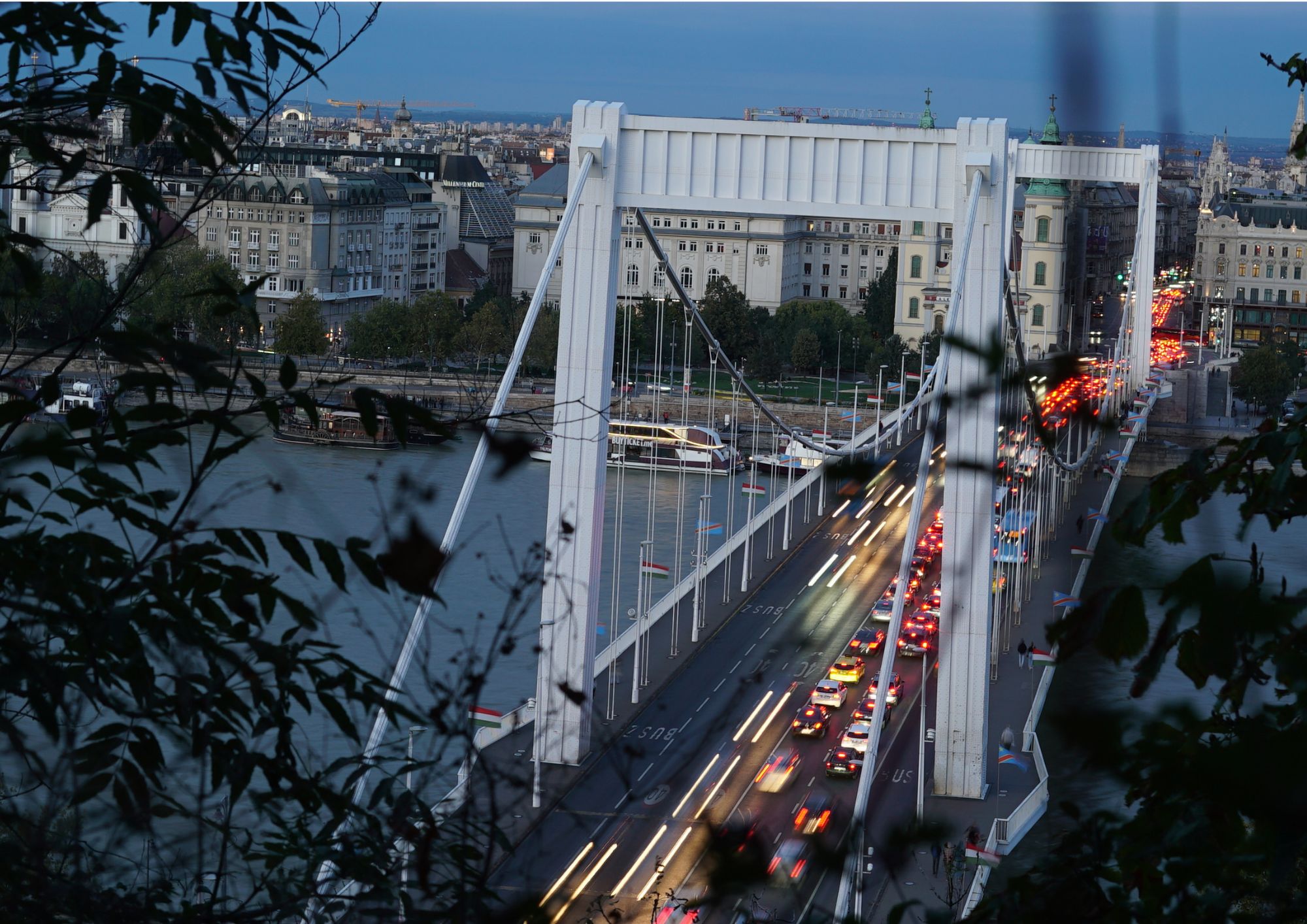
Getting from Budapest Airport to the city centre is one of the first things I would plan after booking flights and accommodation. There are several options, from the direct airport bus to a pre-booked private transfer, depending on where you are staying, how many people are travelling and the time of arrival.
I would compare the whole journey rather than just the ticket price. A bus into central Budapest might be convenient for one hotel, while another could involve an onward connection or a longer walk with luggage.
For our January break, we booked a private transfer through Booking.com after arranging our accommodation. At £20 for both of us, it was very reasonable, and being collected after an evening arrival made the start of our trip straightforward.
We had planned to take the bus back, but after finding Bolt taxis so convenient, we changed our minds. Instead, we enjoyed a proper breakfast in the city before heading directly to the airport, making the most of our final morning and avoiding buying breakfast at the terminal.
This guide covers our experience, current bus options and the practical details to check before travelling.
Some of the links in this guide are affiliate links. This means we may earn a small commission if a purchase is made through them, at no extra cost to you. Thanks for supporting Build a Break.
100E Airport Express: 2,500 HUF per person, one way. Direct to central Pest, runs 24/7 and takes around 40 minutes.
200E bus + M3 metro: 1,000 HUF per person using two single tickets. Change at Kőbánya-Kispest; check overnight connections separately.
Private transfer: Pre-booked pickup and a direct journey to the accommodation. We paid £20 for two on our trip.
Taxi or Bolt: Direct journey with a metered fare. Our return Bolt cost £24.89 for two.
miniBUD shuttle: Official airport shuttle service. Compare a current quote and the transfer arrangements.
Our taxi prices are what we paid on our trip. Check current quotes before booking.
| Transport | Cost & what to expect |
|---|---|
| 100E Airport Express |
2,500 HUF per person, one way Direct bus to central Pest. Runs 24/7, with a journey time of around 40 minutes. |
| 200E bus + M3 metro |
1,000 HUF per person using two single tickets Change at Kőbánya-Kispest. This is the usual daytime route; check overnight connections separately. |
| Private transfer |
Compare a current quote Pickup arranged in advance and a direct journey to the accommodation. We paid £20 for two on our trip. |
| Taxi or Bolt |
Metered fare; check the estimate Direct journey. Our return Bolt cost £24.89 for two; current fares may differ. |
| miniBUD shuttle |
Check a current quote Official airport shuttle service. Compare the pickup and drop-off arrangements before booking. |
The bus fares above are current when checked. The 100E has its own airport ticket, while the 200E uses ordinary BKK tickets or suitable travelcards and passes. miniBUD is an official airport shuttle provider. BKK.hu
Hungary uses Hungarian forints, shown as HUF or Ft. For a rough comparison, 2,500 HUF is around £6 and 1,000 HUF around £2.50, although the pound equivalents will change with the exchange rate.
After booking our accommodation, we compared the private transfers available through Booking.com. The price was very reasonable, so we booked one rather than working out the bus journey after an evening arrival.
We paid £20 for the vehicle, covering both of us, rather than £20 each. Communication was straightforward, and our driver met us outside the terminal.
We landed at around 6.45pm and reached our apartment near Nyugati Station at about 7.35pm, with the drive taking approximately 35 minutes. Being taken straight to the accommodation made the arrival easy and left us time to head out for our first evening in Budapest.
That was the price for our own January trip, rather than a current quote. I would compare today’s transfer prices before deciding whether the convenience is worth the difference.
For more about our base, have a look at our where to stay in Budapest guide.
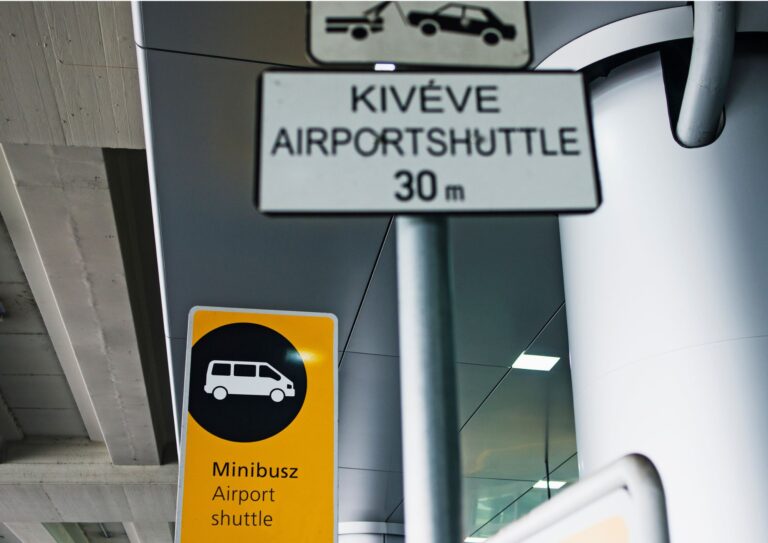
For a straightforward public transport option, I would start by looking at the 100E Airport Express. It connects the airport with central Pest, serving Kálvin tér and Deák Ferenc tér, and BKK gives a journey time of around 40 minutes.
It runs 24 hours a day, although services are less frequent overnight. The standard airport ticket costs 2,500 HUF per person for one journey. Ordinary single tickets and standard city travelcards do not cover this service.
The important part is checking the journey beyond the bus stop. Getting to central Budapest is useful, but it does not necessarily mean arriving beside the hotel.
Before choosing the bus, I would put the accommodation address into a journey planner and look at the walk or onward connection from the central stops. That matters particularly with luggage, young children or an apartment on the Buda side.
Tickets are available through BudapestGO, BKK ticket machines and ticket offices. Alternatively, Budapest Pay&GO lets passengers buy and validate a ticket using a bank card on the bus.
Paper airport tickets are validated by boarding staff. For mobile tickets, follow the instructions to scan the code before boarding and show the animated ticket when required.
Buying a ticket and validating it are separate steps with some ticket types, so I would sort this out before settling into the journey.
The 200E bus is worth considering when keeping transport costs down is the priority. For the usual daytime journey into central Budapest, take it to Kőbánya-Kispest, then change to the M3 metro.
Using ordinary single tickets, that means one ticket for the bus and another for the metro. At 500 HUF each, the two stages cost 1,000 HUF per person, provided no further separately charged journey is needed. A suitable travelcard or pass can cover both stages instead.
This is cheaper than the 100E, but I would compare the complete route to the accommodation. Changing vehicles may be a small inconvenience with a backpack, while suitcases and tired children can make a direct journey more appealing.
The 200E operates around the clock, but that does not mean the M3 metro does too. For an overnight arrival, use the BudapestGO journey planner for the actual arrival time rather than relying on the daytime connection.
A standard paper single ticket must be validated when boarding the bus. Use a separate ticket for the metro and validate it before entering the paid area.
An ordinary single ticket does not cover a bus-to-metro transfer. Transfers between metro lines are permitted during one continuous journey in the same direction. Mobile tickets have their own scanning instructions, so follow the guidance for the ticket purchased.
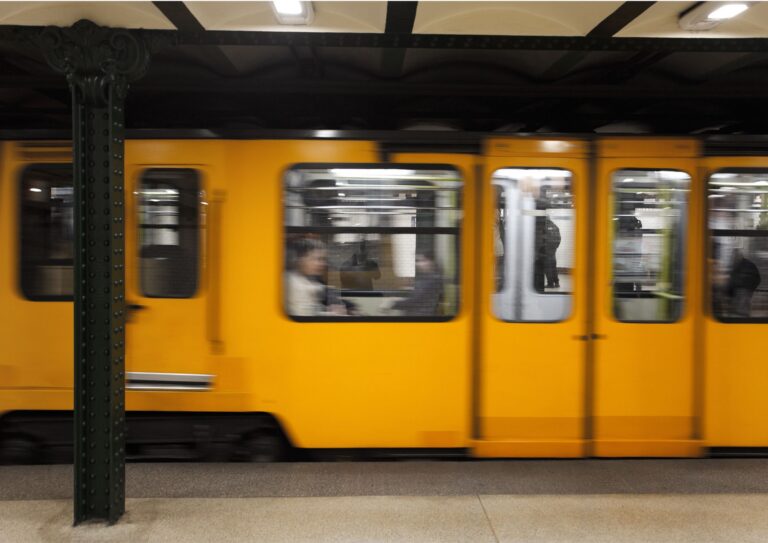
A pre-booked transfer suited us because we were arriving in the evening and wanted to go straight to the apartment. Having the pickup arranged also meant one less thing to organise after landing.
When comparing quotes, I would check that the price covers the whole vehicle and everyone travelling. The booking should also match the amount of luggage, the accommodation address and any child-seat requirements.
Read the meeting instructions and check what happens if the flight is delayed, including the waiting time included in the price. I would keep the confirmation and contact details easy to find on my phone.
For a family or group, it is worth comparing the total transfer quote with the combined bus fares. The bus may still be the cheaper choice, but the difference can look smaller once several people are travelling together.
A taxi offers a direct journey without needing to arrange a transfer in advance. Főtaxi provides the airport’s official taxi service, while Bolt is among Budapest’s licensed taxi operators. Főtaxi
Budapest taxis use regulated metered fares. Current airport journeys have a 2,100 HUF base fare, with distance and time charges added, so this is not the total journey price. Taxi tariffs changed in August 2026, which is another reason not to use our trip costs as a current estimate.
I would use the official airport taxi service or order through a recognised app, then follow the designated pickup instructions. Check the estimate for the actual destination, since the city centre covers a sizeable area and the address makes a difference.

We had originally planned to use the airport bus for our return journey. However, we had used Bolt several times during the weekend and found it easy to order a car whenever we needed one.
Despite the airport being a longer ride, the price still felt reasonable. We decided we would rather spend more of the morning enjoying a proper breakfast in Budapest, then take a taxi directly to the terminal.
It also meant we could eat before leaving instead of buying breakfast at the airport. For us, comparing the morning as a whole made the taxi feel like a worthwhile choice.
Our return Bolt cost £24.89 for both of us. Combined with the £20 arrival transfer, we spent £44.89 on airport transport, or approximately £22.45 each.
Those are our own trip costs. For another visit, I would check the current estimate and leave plenty of time for traffic, check-in and security.
For our trip with a teenager, the direct transfers worked well. We had a short stay, and the convenience of going straight between the airport and our accommodation was worth the price we paid.
For a family staying near a 100E stop, the bus could be a straightforward alternative. I would compare the full fare for the group, the onward walk and how everyone is likely to feel after the flight.
Do not assume that all visiting children under 14 travel free. BKK’s under-14 student exemption requires a Hungarian student ID, so check the official discount rules for the children travelling.
For a taxi or private transfer, arrange any required child seats beforehand and choose a vehicle with enough space for passengers and luggage.
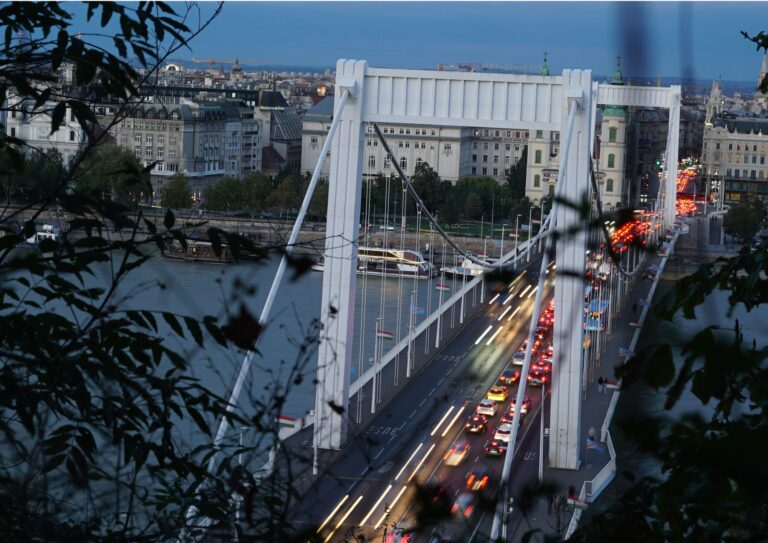
An evening or overnight arrival does not automatically mean needing a taxi, since the 100E operates throughout the night. However, I would check the expected wait and the journey from the bus stop to the accommodation before deciding.
For a late flight, I would also confirm the property’s check-in arrangements. Self-check-in can be useful, but the access instructions need to be available before arriving at the door.
A direct transfer may be worth comparing if the accommodation requires another connection, everyone is tired or there is a lot of luggage.
I would compare the 100E with a private transfer or current Bolt estimate once the accommodation was booked. Staying close to the airport bus route would make public transport more appealing, while another reasonably priced direct transfer could easily persuade me again.
Our experience showed that it is worth looking beyond the cheapest individual ticket. Arrival time, the number of people travelling, the accommodation address and the departure-morning plans all affect which option makes sense.
For the rest of our short break, have a look at our Budapest itinerary. Our honest guide to whether Budapest is worth visiting explains why this little January trip surprised us so much.
Whenever I spot great-value flights and accommodation for DIY breaks to Budapest and other destinations from UK airports, I share them with members of the Build a Break Travel Club, with links to book each part independently.








Copyright © Build a Break | Website by Furness Media