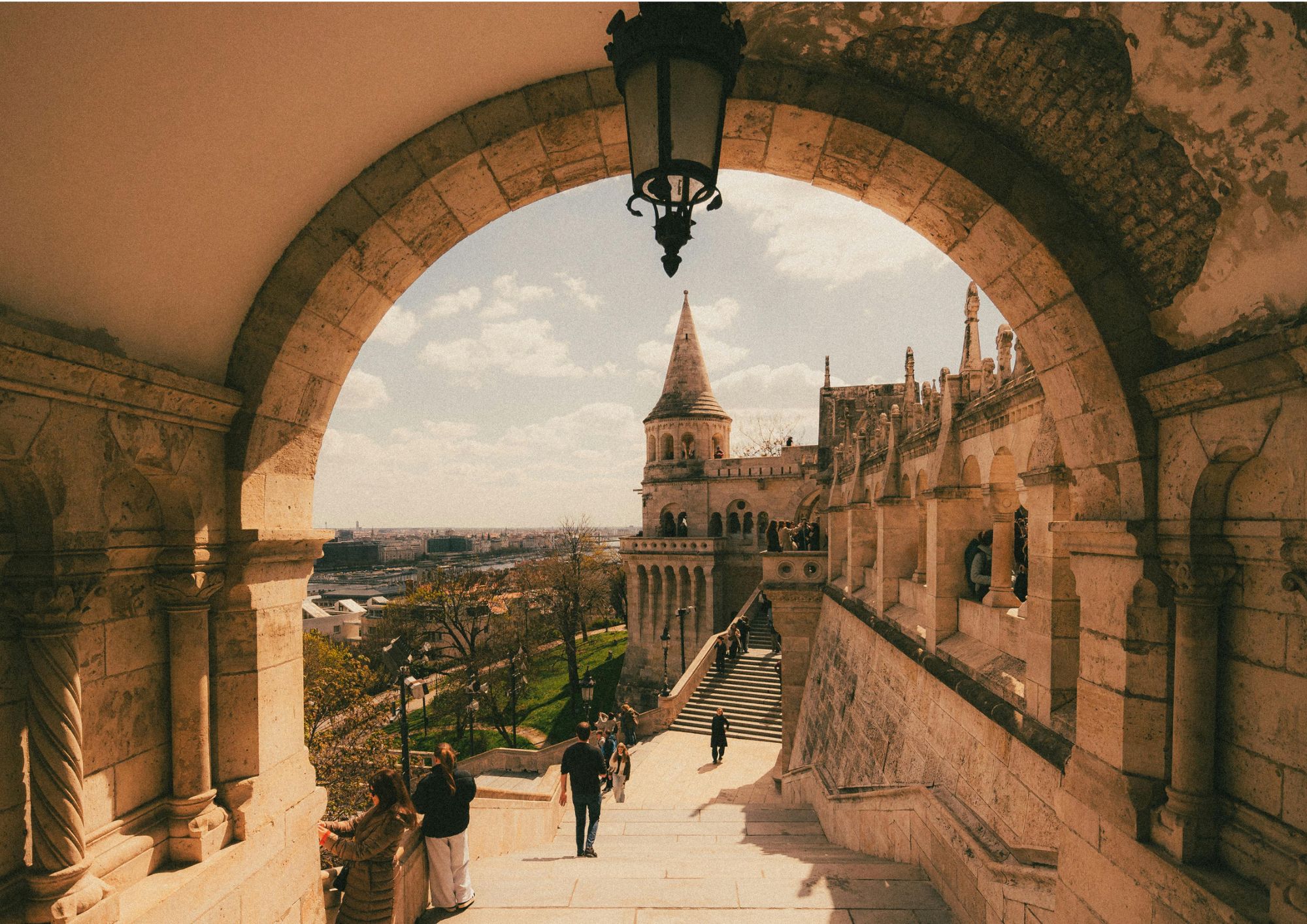
The best time to visit Budapest for a sightseeing trip is usually spring or early autumn, when exploring the city on foot is a more comfortable prospect than in the hottest part of summer or the middle of winter. May and September would be my starting points for a warmer city break, while December is the obvious choice for Christmas markets and festive atmosphere.
January deserves a place on the list too, though. We visited Budapest at the end of January and absolutely loved it, with dry, crisp days, plenty of Christmas decorations still around and outdoor ice rinks open. The city had such a lovely winter atmosphere, and I would happily go back at the same time of year.
Budapest is somewhere I would consider throughout the year, but I would plan a different sort of trip depending on the season. A summer visit might mean more time outside in the evenings, while a winter weekend needs warm layers and a few indoor stops between the sightseeing.
This guide covers Budapest month by month, along with the times I would consider for a family trip, a festive break or a visit where keeping costs down is the priority.
Just a quick note before we begin. Some of the links in this guide are affiliate links. This means we may earn a small commission if you make a purchase through them, at no extra cost to you. We only recommend products, services and experiences we've used ourselves or genuinely believe will help you plan your trip. Thanks for supporting Build a Break.
If I were choosing dates for a Budapest city break, these are the months I would start by comparing.
| Type of trip | Months I would consider |
|---|---|
| A first visit with plenty of sightseeing | May or September |
| Exploring without the hottest summer weather | April, May, September or October |
| Christmas markets and festive atmosphere | Late November or December, within confirmed market dates |
| A winter weekend | January or February |
| Long days and warm evenings | June, July or August |
| A family trip during school holidays | Easter, May half term or October half term |
| Looking for a lower-cost break | Compare January, February and early November outside holidays and events |
Exploring without the summer heat: April, May, September or October
Christmas markets: Late November or December, within confirmed market dates
A winter weekend: January or February
Long days and warm evenings: June, July or August
Family trips during school holidays: Easter, May half term or October half term
Looking for a lower-cost break: Compare January, February and early November outside holidays and events
There is no single month that is best for everyone. For us, school holidays and the total cost of the trip matter as much as the weather, so I would use the season as a starting point rather than ruling out a good flight deal because it falls outside May or September.
Our January trip is the reason I would never dismiss Budapest just because it is winter.
We went towards the end of the month and had dry, crisp days that worked really well for exploring. There were still lots of Christmas decorations up, the outdoor ice rinks were open and the whole city had a lovely atmosphere.
It was cold, so wrapping up properly was part of the trip, but that did not stop us enjoying it. I would much rather pack a warm coat, hat and gloves than automatically write off a destination for several months of the year.
The decorations were a lovely bonus rather than something I would promise for every January visit. Christmas markets and winter attractions have their own opening dates, so a late-January break needs to be planned around what is actually running rather than assuming everything continues after Christmas.
For anyone who enjoys a winter city break, January is a month I would happily consider again.
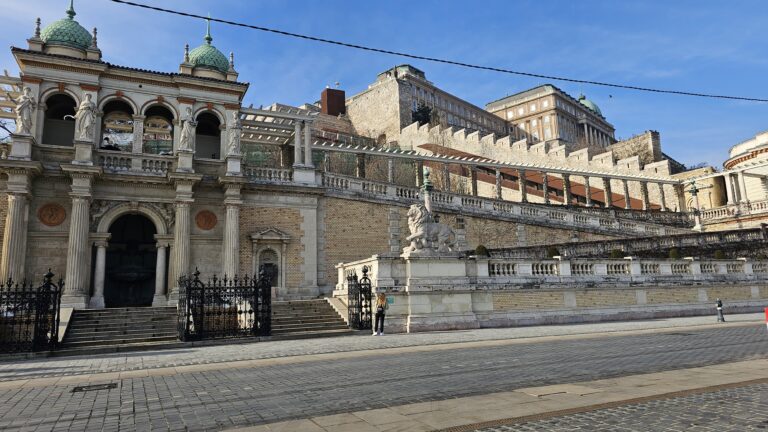
Budapest has a noticeable difference between winter and summer, so packing for January is quite different from packing for July.
The table below shows rounded average daily highs and lows from the Hungarian meteorological service’s 1991–2020 climate averages for Budapest Pestszentlőrinc. These are a planning guide rather than a forecast for a particular trip.
| Month | Avg high | Avg low |
|---|---|---|
| January | 3°C | −3°C |
| February | 6°C | −1°C |
| March | 11°C | 2°C |
| April | 18°C | 7°C |
| May | 23°C | 12°C |
| June | 26°C | 15°C |
| July | 28°C | 17°C |
| August | 28°C | 17°C |
| September | 23°C | 12°C |
| October | 16°C | 7°C |
| November | 9°C | 3°C |
| December | 4°C | −1°C |
Based on those averages, May and September would be my choices for a trip with plenty of walking. April and October are cooler alternatives, while July and August need more thought about taking breaks during the warmest part of the day.
I would pack a waterproof layer whatever the month and check the forecast shortly before travelling, rather than treating a summer booking as a guarantee of dry weather.
January is a month I can recommend from our own experience, particularly for anyone who likes the atmosphere of a winter city break. We enjoyed the crisp days, the decorations that were still up and being able to include outdoor ice skating in the trip.
I would plan a mixture of sightseeing and indoor stops, with warm clothes and comfortable shoes. Although there were still decorations around when we visited, I wouldn’t book January expecting the Christmas markets to be open. Our Budapest itinerary covers how we spent our January trip and is a useful starting point for planning a winter visit.
February is another option I would compare for a winter weekend, especially if the flight times and accommodation prices work well. For families, February half term gives a chance to visit without taking children out of school.
Seasonal attractions need checking before booking, particularly if ice skating is one of the main reasons for going. I would also have a couple of indoor activities in mind so the whole trip does not depend on spending every day outside.
March would suit a sightseeing trip where the main aim is exploring the city rather than sitting outside in warm weather. I would still pack layers and leave some flexibility in the itinerary.
For a first visit, I would be happy to consider March if the overall price was good, but I would compare it with April before deciding. A slightly later trip may be worth the extra cost if spending most of the day outdoors is the priority.
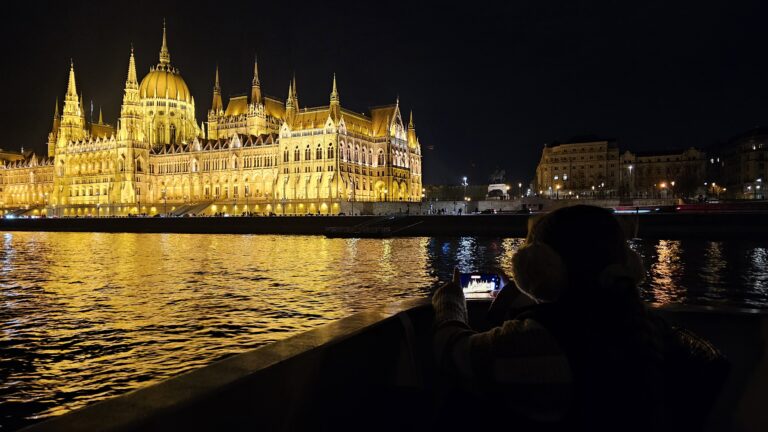
April is one of the months I would put fairly high on the list for a first Budapest trip. It offers a useful middle ground for planning walks around the Castle District, time beside the Danube and a visit to City Park.
Easter makes it an option for families too, although the dates change each year. I would check attraction opening hours over the holiday and compare several departure dates before settling on the trip.
May would be one of my first choices for a Budapest city break with plenty of sightseeing. It is a good month to build a trip around walking, viewpoints and outdoor stops, while keeping a few indoor options for wet weather.
May half term is worth comparing for a family visit, particularly if summer city breaks can feel too hot. I would look at the full flights-and-accommodation cost before deciding, as school holiday dates can change the value of a trip considerably.
June would suit a trip where warm evenings and more time outside are part of the appeal. I would plan the main walking routes earlier in the day, then leave space for lunch, a rest or an indoor attraction.
It is also a month when I would start paying closer attention to the accommodation’s cooling arrangements. Air conditioning is something I would check in the room details and recent reviews before booking.

July would be a choice for enjoying Budapest in summer, but I would keep the itinerary flexible rather than scheduling long walks from morning until evening. A city break can involve far more time on foot than expected, especially when the sightseeing includes hills and steps.
For a family visit, I would choose one main activity each day and fit the other sights around it. Somewhere comfortable to return to for a break would matter more to me than squeezing in every attraction.
August is another month when I would plan around the possibility of hot weather and check the events calendar carefully. Major events can affect the trip even when attending them is not part of the plan.
I would compare accommodation before booking flights, especially if a fare looks unusually good. Saving on the flight is less useful if rooms for those dates make the overall break much more expensive.
September would be alongside May at the top of my list for a sightseeing-focused trip. Based on the seasonal averages, it offers a useful balance for exploring outdoors without deliberately choosing the hottest months.
For anyone who can travel during term time, I would compare a few September weekends and midweek stays. Families tied to school holidays may need to look at late August or October instead, but September is certainly a month I would consider for an adults-only break.
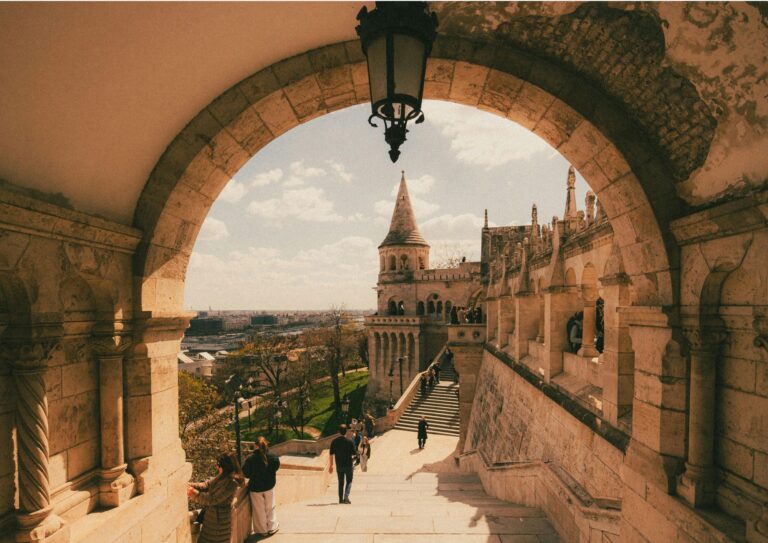
October would be one of my preferred school holiday options for Budapest. I would plan for layers, café stops and a mixture of outdoor sightseeing and indoor activities, rather than expecting a summer-style trip.
Autumn also gives the parks a different feel, and Budapest’s official visitor information highlights the season for walks, museums and autumn colours. An October visit would suit a slower itinerary with time to enjoy those parts of the city.
November needs a little more care when choosing dates, because an early-November sightseeing break and a late-November Christmas market trip can be quite different.
If festive atmosphere is the main reason for going, I would check the specific market dates before booking anything. For a general city break, I would compare early November on price and plan enough indoor activities to make the shorter days work comfortably.
December is the month I would choose for a trip built around Christmas markets, lights and festive food. I would give the evenings as much attention as the daytime sightseeing, leaving time to wander rather than rushing between bookings.
A Christmas market weekend and a stay over Christmas itself also need different planning. Check the holiday opening hours for restaurants, attractions and transport, especially when travelling around Christmas Eve, Christmas Day or Boxing Day.
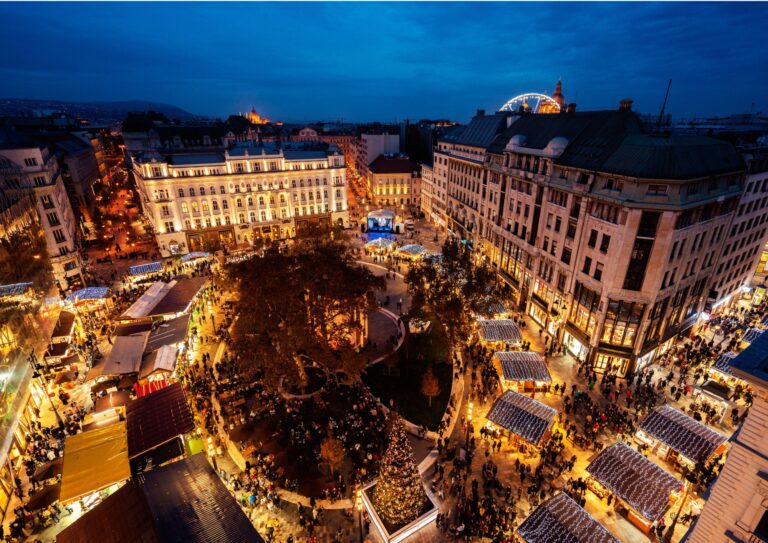
For a festive city break, I would choose dates within the confirmed opening period of the markets I most wanted to visit. December is my straightforward recommendation, although November can work too once the relevant markets are open.
For the 2026 season, the Advent Basilica organiser lists its market at Szent István Square as running from 13 November 2026 to 1 January 2027. That is the date range for this particular market, rather than a promise that every Budapest market follows the same schedule.
Our late-January trip still had plenty of decorations around, but I would choose November or December for a visit where the markets themselves were essential.
If keeping costs down was my main priority, I would begin by comparing January, February and early November, avoiding school holidays and checking for events on the proposed dates.
Those are months I would investigate for value, rather than months I can promise will always be cheapest. A Friday-to-Sunday winter break can still cost more than a well-priced midweek trip at another time of year.
My usual approach would be to look at flights and accommodation together, then add luggage, airport transfers and any activities that need booking. The cheapest flight is only one part of the cost, particularly when travelling as a family.
I would also compare the accommodation location carefully. A room that saves a little money can be less appealing if every outing involves a long journey back into the centre.
For a family trip, I would start with Easter, May half term and October half term. Those are the dates I would compare for a sightseeing break before looking at the main summer holidays.
Winter can work well too, as our January visit showed, but I would leave room for warming up between outdoor activities. Budapest’s official tourism site highlights winter ice skating, museums and thermal baths, although individual attractions need checking for opening dates and age restrictions.
Bath rules are particularly important when planning with younger children. Széchenyi’s official website currently states that children under 14 cannot visit, so I would not build a family itinerary around it without checking who is eligible to enter.
Our Things to Do in Budapest with Kids and Teens guide is a useful next step for choosing activities that suit the ages travelling.

For a trip where avoiding crowds matters, I would compare dates outside school holidays, festive weekends and major events. January, February and early November would be my starting points, while recognising that the popular sights can still be busy.
The itinerary matters too. I would give places such as Fisherman’s Bastion an early slot and avoid trying to fit every well-known attraction into the middle of the day.
May and September are my preferred choices for comfortable sightseeing, but that does not mean having Budapest to ourselves. I would choose them for the balance they offer, then use flexible timings to make the busiest sights easier to enjoy.
For a first visit with plenty of walking, I would start with May or September, then compare April and October if those dates worked better.
A festive break would send me towards December, while January is a month I would happily book again. Our trip showed how lovely Budapest can be in winter, with crisp days, outdoor ice skating and plenty of atmosphere.
The best choice is the one that works for the budget, the people travelling and the sort of trip planned. I would rather book a well-priced January weekend and pack properly than put Budapest off because spring dates did not work.
Whenever I spot great-value flights and accommodation for DIY breaks to Budapest and other destinations from UK airports, I share them with members of the Build a Break Travel Club, with links to book each part independently.








Copyright © Build a Break | Website by Furness Media