Blog - Switzerland - How to Visit Switzerland on a Budget (Money-Saving Tips for 2026)
How to Visit Switzerland on a Budget (Money-Saving Tips for 2026)
7th October | Sarah Kenny
Last updated July 20, 2026
Switzerland on a Budget: Tips That Actually Make a Difference
Switzerland has a reputation for being one of the most expensive countries in Europe and, in many ways, that reputation is deserved.
Train tickets can look eye-wateringly expensive at first glance, hotels aren’t cheap and even something as simple as grabbing lunch can quickly add up if you’re not careful.
But after travelling around Switzerland multiple times, we’ve realised something important: Switzerland doesn’t have to be as expensive as people think.
Some of the best things about Switzerland are completely free. The scenery, the lakes, the mountain views and even many of the train journeys become the experience itself.
Once you understand how to plan your route properly and where to save money, Switzerland suddenly becomes far more achievable than people expect.
These are the tips we personally think make the biggest difference when planning a Switzerland trip on a budget.
If you're still deciding where to go, my Switzerland Travel Guide brings together all of my itineraries, scenic train guides and destination advice in one place
Sarah
Build a Break
I've completed specialist Swiss public transport training and regularly update my knowledge with the Swiss Tourist Board, alongside exploring Switzerland myself.
Some of the links in this guide are affiliate links. This means we may earn a small commission if you book through them, at no extra cost to you. We only recommend products, routes and services we genuinely believe are useful for planning a Switzerland trip.
Don’t Try to See All of Switzerland in One Trip
This is probably the biggest mistake people make.
Switzerland looks small on a map, but transport costs can quickly spiral if you’re constantly travelling between regions every day.
Instead of trying to squeeze in every major destination, we’d recommend choosing:
- one or two main regions
- a sensible route
- fewer hotel changes
You’ll spend less money on transport and actually enjoy the trip more.
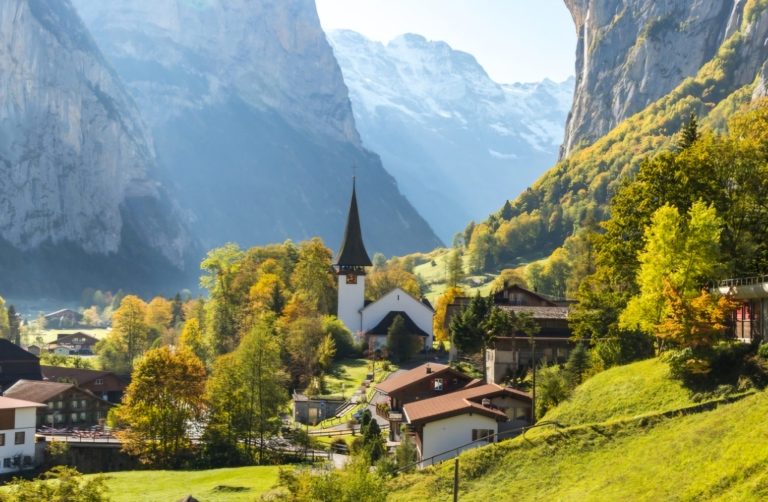
For example, combining places like Interlaken, Lauterbrunnen, Grindelwald and Lake Thun works much better budget-wise than crossing the country every day.
We've now travelled extensively around Switzerland entirely by public transport, from Geneva and Montreux to Interlaken, the Bernina Express and beyond, and have never felt the need to hire a car.
Your subscription could not be saved. Please try again.
Your subscription has been successful.
Use Regional Trains Where You Can
This was one of the biggest Switzerland budget tips we discovered.
Many of Switzerland’s famous panoramic trains follow the exact same railway lines as regional trains.
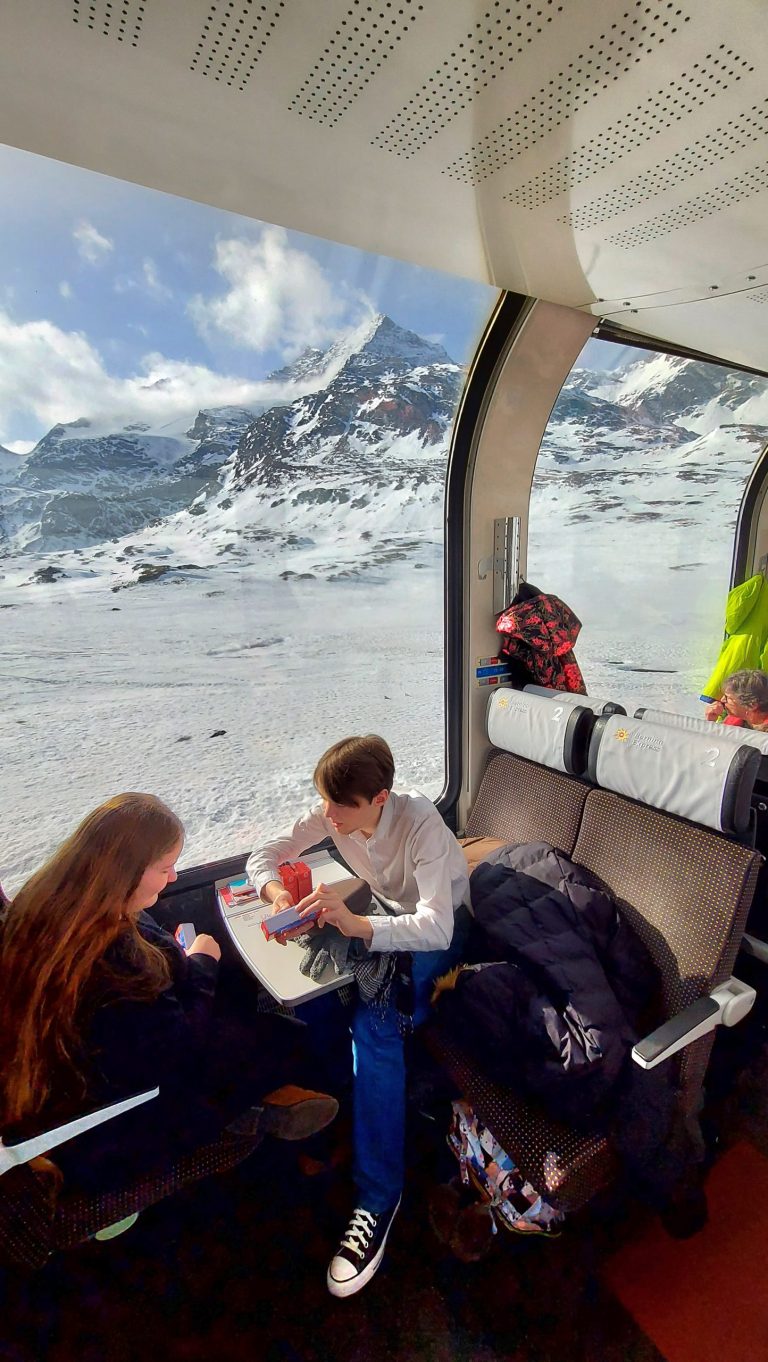
For example, regional trains on the Bernina route travel through the same scenery as the Bernina Expressbut can often work out cheaper, less crowded and more flexible.
Some even allow windows to open for photos, which is something many photographers prefer.
We still chose to experience the panoramic Bernina Express carriages because they’re iconic, but next time we’d probably use the regional trains for at least part of the route.
Switzerland has some of the cleanest drinking water we’ve ever come across.
In many towns and cities, public fountains provide safe drinking water, meaning you can refill bottles throughout the day instead of constantly buying drinks.
It’s a small thing, but over a full trip it can easily save money.
Don’t Assume Every Mountain Excursion Is Worth the Price
Some mountain excursions in Switzerland are absolutely worth the money.
Others are incredibly expensive and heavily weather-dependent.
Before booking expensive mountain railways or cable cars, check the weather forecast carefully and decide whether the experience genuinely fits your itinerary.
For example, Jungfraujoch is a huge bucket list experience for many people, but it’s also one of the most expensive days out in Switzerland.
If visibility is poor, the experience can feel very different to the photos people imagine beforehand.
Hostels in Switzerland Are Better Than Many People Expect
Switzerland has some surprisingly good hostels.
Many are modern, clean, scenic and family-friendly
Some even include breakfast and private rooms.
For shorter stays or train-focused trips, hostels can dramatically reduce accommodation costs without ruining the experience.
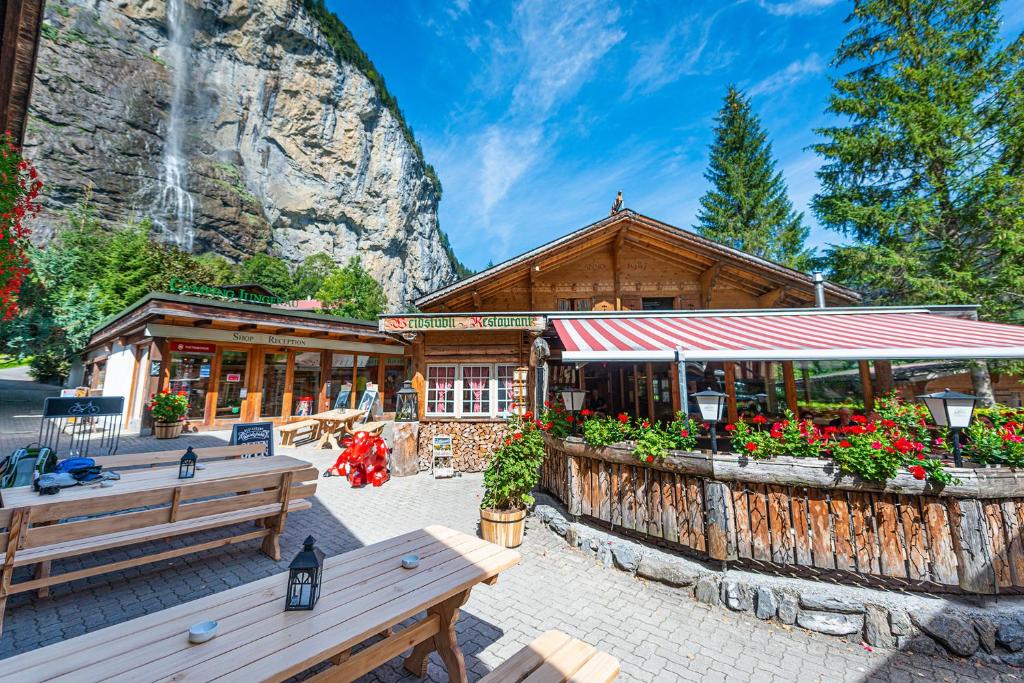
If you're travelling during the summer months, campsites can be one of the best ways to reduce accommodation costs in Switzerland, particularly for families.
Hotel prices in popular areas like Interlaken and Lauterbrunnen can quickly add up, especially during school holidays. Campsites often provide a much more affordable alternative while still putting you right in the heart of some of Switzerland's most spectacular scenery.
We've stayed at campsites across Europe for years, and Switzerland can be a surprisingly good option if you're travelling as a family and want to keep accommodation costs down.
We've found that Eurocamp and other holiday parks can work particularly well for families, giving you more space, self-catering facilities and access to transport links without the price tag of multiple hotel rooms.
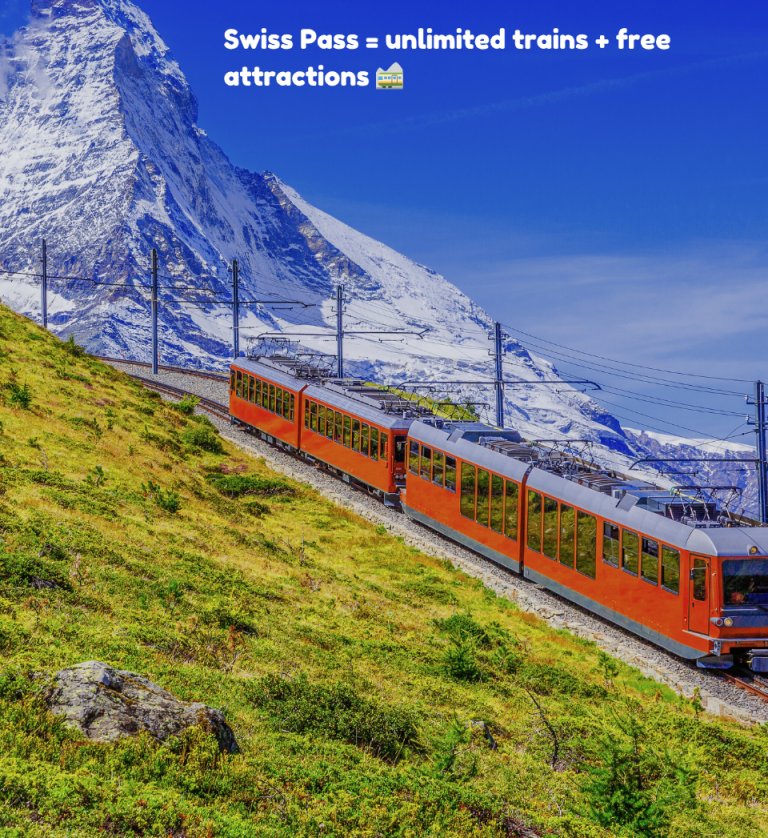
Use the Swiss Travel Pass Strategically
The Swiss Travel Pass can save a huge amount of money on some itineraries, but not all.
It usually works best for people:
- moving between multiple regions
- taking scenic train journeys
- travelling frequently over a shorter period
For slower trips, alternatives like the Swiss Half Fare Card can sometimes work out cheaper.
The best thing to do is compare your planned train journeys, mountain excursions and museum visits against the pass cost before booking.
Book Activities in Advance (Without Committing Too Early)
One of our favourite ways to plan Switzerland activities is through GetYourGuide.
Many activities can be booked weeks or even months in advance, but still allow free cancellation up to 24 hours before the activity starts. This means you can secure places on popular attractions while keeping your plans flexible if the weather forecast changes.
This can be particularly useful in Switzerland, where mountain views can look completely different depending on conditions. If poor weather is forecast, you may decide to move activities to another day or choose an alternative excursion instead.
We often book activities in advance and then make a final decision closer to the date once we have a better idea of the weather.
As an added bonus, you can save 5% on many GetYourGuidebookings using our code BUILDABREAK5.
There’s no point pretending Switzerland is a cheap destination.
But it’s also one of the few places where the scenery genuinely feels almost unreal at times.
And once you realise that many of the best experiences involve train journeys, lakes, viewpoints, villages and mountain scenery, it becomes much easier to plan a trip without spending constantly.
A lot of Switzerland budgeting simply comes down to:
- planning your route carefully
- avoiding unnecessary transport
- choosing the right train tickets
- balancing expensive experiences with free scenery