
Wondering what to pack for Iceland in winter? Whether you're visiting Reykjavík for an Extreme Day Trip, spending a couple of nights exploring the capital or planning a longer winter holiday, taking the right clothing can make an enormous difference to your experience.
We've now visited Iceland in both March and November, and one thing I've learnt is that you really do need to be prepared for different types of weather, even if you're only visiting for a day or two.
During our March trip, we arrived to frosty conditions with snow still lying on the ground, but the skies were beautifully clear and it wasn't nearly as cold as I'd expected. In fact, I think we were probably a little overdressed for the weather we actually experienced.
Our November visit was completely different. We arrived in Reykjavík during heavy rain and strong winds, got absolutely soaked on our way to the hotel and then headed out for a whale-watching tour where the conditions felt considerably colder than they had while walking around the city.
However, when we visited Blue Lagoon the following morning, the skies were lovely and clear, showing just how quickly the weather can change.
Having experienced Iceland in both months, I wouldn't recommend packing an entire wardrobe of expensive specialist clothing for a short city break, but there are a few things I'd definitely make room for.
Waterproof clothing, thermal layers, warm gloves and sensible footwear would be at the top of my list, along with some smaller items that proved particularly useful during our trips.
There are also a few things you might not immediately think of, particularly if you're planning to visit Blue Lagoon or Sky Lagoon, take photographs in the cold or spend several hours whale watching.
In this guide, I'll share what I'd pack for Iceland in winter, what we found useful during our own trips and how I'd adapt the packing list depending on whether you're visiting for 24 hours or staying for a full week.
This guide is based on our firsthand experiences of visiting Iceland in March 2025 and November 2026, alongside general winter travel and safety recommendations. Some links may be affiliate links, which means Build a Break may earn a small commission at no additional cost to you.
What to Pack for Iceland in Winter: Quick Checklist
If you're looking for a quick packing list before going through the detailed advice, these are the essentials I'd concentrate on first.
You won't necessarily need every item for an Extreme Day Trip, but the list is a good starting point for a winter visit, particularly if you're spending time outdoors.
I'd adapt this list according to your itinerary rather than assuming you need to bring every possible item.
If you're spending one day sightseeing in Reykjavík and enjoying Sky Lagoon, you'll probably need much less than someone planning several days of hiking, glacier excursions and Northern Lights tours.
Do You Need Special Winter Clothing for Iceland?
I wouldn't say you need to go out and spend hundreds of pounds buying an entirely new winter wardrobe, particularly if you're only visiting Reykjavík for a short break.
However, I would make sure you have clothing that will keep you warm and dry if the weather turns bad.
Iceland's temperatures aren't always as low as people imagine, especially around Reykjavík, but the wind and rain can make it feel considerably colder than the forecast suggests.
We experienced this ourselves in November. It wasn't necessarily the temperature that bothered us while walking around the city, but the combination of strong wind and rain.
By contrast, during our March visit, the weather was much more pleasant and we were probably wearing more clothing than we actually needed.
For this reason, I'd concentrate on layers rather than packing one enormous winter coat and hoping it will be suitable for everything.
1. Thermal Base Layers and Warm Clothing
One of the easiest ways to stay warm in Iceland is to wear several layers that you can add or remove throughout the day.
I'd start with a thermal long-sleeved top and leggings, ideally made from merino wool or a synthetic thermal material.
These can be worn underneath your normal clothing without adding too much bulk, making them particularly useful when you're travelling with limited luggage.
I'd then add a fleece, warm jumper or another insulating layer, followed by a waterproof and windproof jacket.
This gives you much more flexibility than relying on one thick coat, especially when you're moving between cold outdoor conditions, warm buses, restaurants and geothermal spas.
I found this particularly relevant during our March trip because we'd dressed for very cold weather, but once the sun came out and we started walking around Reykjavík, it felt much more comfortable than expected.
Being able to remove a layer would have been much more convenient than feeling too warm all day.
Are Thermal Leggings Really Necessary?
For a winter trip, I'd definitely pack a pair, even if you're not planning any particularly adventurous activities.
They take up very little room and can make a big difference if you end up spending longer outside than expected.
I'd particularly recommend them for whale watching, Northern Lights excursions, waterfall visits or anywhere you'll be standing still for extended periods.
For a single day walking around Reykjavík, you might not need them if the weather is mild, but I'd still rather have the option.
Should You Wear Jeans in Iceland?
You can wear jeans while sightseeing in Reykjavík if the weather is dry, but they wouldn't be my first choice for outdoor activities.
Denim can absorb rain and takes a long time to dry, which isn't particularly pleasant if you're spending several hours outside.
For whale watching, hiking or visiting waterfalls, I'd choose quick-drying trousers with thermal leggings underneath, adding waterproof overtrousers if necessary.
For a short city break, there's no reason you can't take your usual comfortable clothes as well. I'd simply make sure you have something more practical if the weather turns wet.
2. A Proper Waterproof Jacket Is Essential
If there was one item I'd prioritise when packing for Iceland in winter, it would be a genuinely waterproof and windproof jacket.
I wouldn't rely solely on a padded coat that feels warm but isn't designed to keep out heavy rain.
When we arrived in Reykjavík in November, the weather was absolutely awful, with rain and wind making even a relatively short walk feel much less enjoyable.
We were soaked by the time we arrived at our accommodation, although thankfully we were able to check into CityHub earlier than expected and get changed before heading back out.
After that experience, I'd definitely recommend taking waterproof clothing seriously, even if you're only planning to spend time in the city.
A jacket with a proper hood is particularly useful, as umbrellas aren't much help when the wind is strong.
I'd also look for somewhere with adjustable cuffs and enough space underneath to wear a warm fleece or jumper.
Do You Need Waterproof Trousers?
I think this depends on what activities you're planning.
For a day exploring Reykjavík, they wouldn't necessarily be essential, although a lightweight pair would be handy if the forecast looked particularly wet.
However, for whale watching, waterfalls, hiking or longer excursions outside the city, I'd definitely consider taking them.
Lightweight waterproof overtrousers are useful because you can pull them on over your normal clothing when needed, rather than having to wear them all day.
They're also relatively easy to pack, which makes them a sensible option if you have space in your bag.
My waterproof clothing tip: Don't assume that a thick winter coat is automatically waterproof. For Iceland, I'd prioritise a proper waterproof outer layer that can be worn over warmer clothing.
3. Waterproof Walking Shoes or Boots
I'd definitely recommend wearing comfortable, sturdy footwear for a winter trip to Iceland.
If you're mainly exploring central Reykjavík, a decent pair of waterproof walking shoes with good grip should be suitable for many conditions.
However, if you're planning activities outside the city centre, particularly waterfall excursions, hiking, glacier areas or places with snow and ice, I'd choose proper walking boots.
Walking boots generally provide better grip, support and protection from wet ground, although it's important to choose a pair you're already comfortable wearing.
I wouldn't recommend buying brand-new boots immediately before your trip and then wearing them for the first time in Iceland.
There can be quite a lot of walking involved, even on an Extreme Day Trip, and uncomfortable footwear can quickly spoil the experience.
What About Snow and Ice?
During our March trip, there was still snow lying across the grassy areas of Reykjavík, although the main streets and pavements we used were manageable.
However, paths can become icy during winter, so I'd make sure your footwear has a decent tread.
Small removable ice grips can also be useful in certain conditions, particularly if you're visiting when pavements are icy.
I'd treat these as an optional extra rather than something everyone needs, and remember that they should be removed on unsuitable indoor surfaces. If you're flying with cabin luggage only, check the airline's rules before packing any traction equipment.
For organised glacier walks or more demanding winter activities, you should follow the tour operator's equipment instructions rather than relying on ordinary walking boots or small pavement grips.
Don't Forget Warm Socks
I'd definitely pack thermal or wool-blend socks, particularly if you're spending extended periods outside.
I'd also take at least one spare pair, even for a short overnight trip.
There are few things worse than having wet feet for the rest of the day, and after our experience arriving in Reykjavík during heavy rain, I wouldn't underestimate how useful a dry pair of socks can be.

4. Thermal Gloves, Hat, Snood and Hand Warmers
These are some of the smaller things I'd absolutely make room for, even if I were only visiting Iceland for the day.
A warm hat, thermal gloves and a snood or scarf don't take up much room, but they can make a significant difference when the wind picks up.
Personally, I think a snood or neck warmer is particularly practical because it can be pulled up over your face when needed and is less likely to flap around in the wind than a loose scarf.
I'd also recommend gloves that offer some protection against rain rather than relying entirely on thin knitted ones.
For longer outdoor activities, waterproof insulated gloves or mittens are worth considering.
HotHands Were Really Useful on Our Whale-Watching Trip
One of the things I'd definitely recommend taking is a packet of HotHands or similar disposable hand warmers.
We used these during our whale-watching trip in November, and they were particularly handy when we wanted to take photographs.
Even with gloves on, you inevitably end up taking them off to use your phone or camera, especially when you're trying to capture something quickly.
When you're outside on a boat in cold, windy weather, it doesn't take very long for your fingers to feel freezing.
Having hand warmers ready meant we could warm our hands again after taking photographs rather than spending ages trying to get comfortable.
They take up very little space in your luggage and are one of those inexpensive extras I'd definitely bring again.
I'd also consider touchscreen-compatible gloves, although you may still find yourself removing them when using your camera.
Follow the hand warmer manufacturer's instructions, particularly about avoiding direct contact with bare skin for prolonged periods, and check airline rules before travelling with any reusable or fuel-powered alternatives.
My favourite little extra: Pack a couple of HotHands hand warmers in your coat pocket for whale watching, Northern Lights tours or any activity where you'll be taking photographs outdoors in the cold.
What to Wear for Sightseeing in Reykjavík in Winter
If you're only planning to spend a day exploring Reykjavík, you probably don't need to take quite as much clothing as someone heading out on a full-day hiking or glacier excursion.
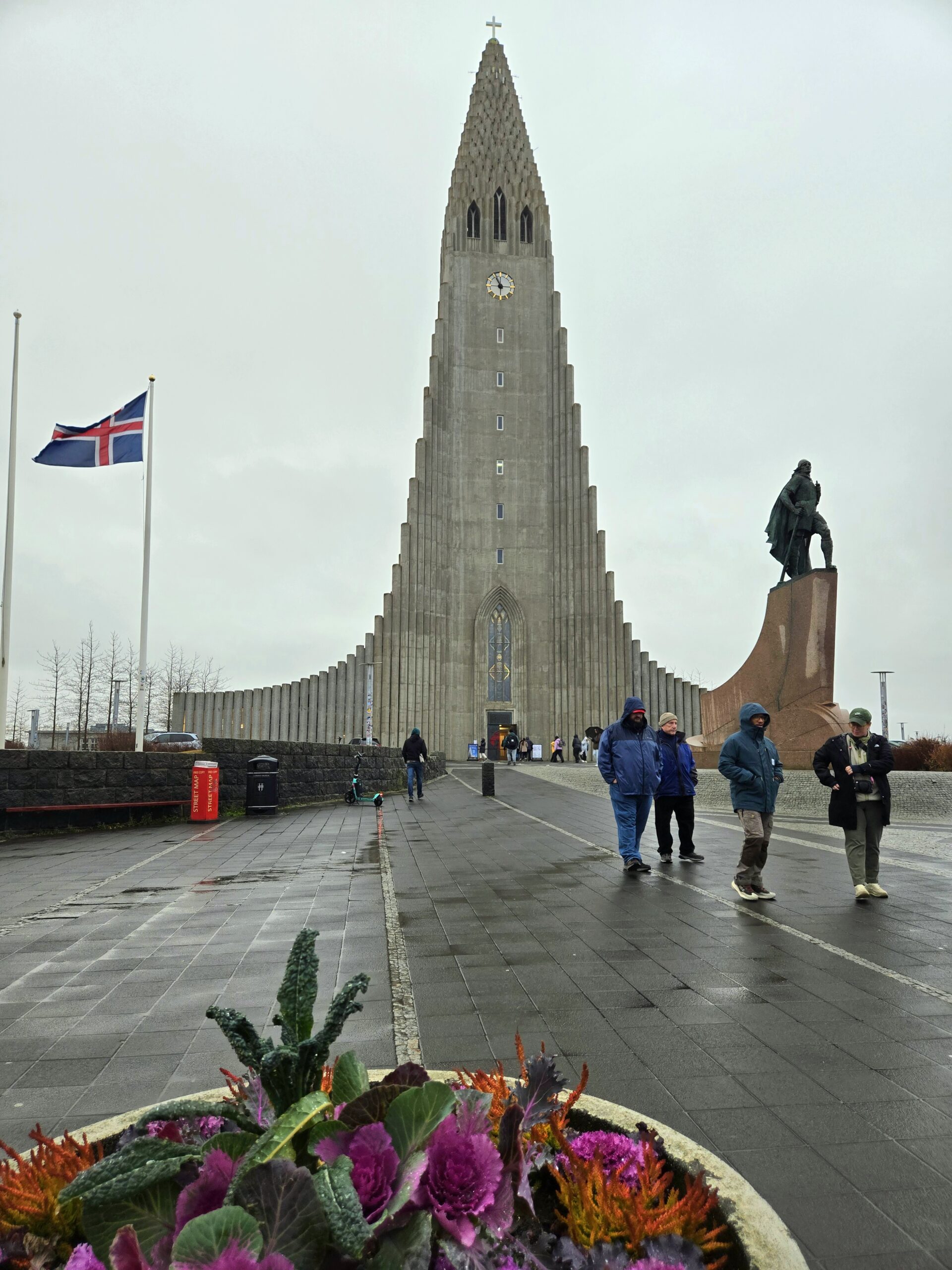
On our March Extreme Day Trip, we walked around the city visiting Hallgrímskirkja, Rainbow Street and other attractions before travelling to Sky Lagoon.
Although there was still snow on the ground, we had lovely clear skies and it actually felt fairly comfortable while we were walking around.
We'd dressed for much colder conditions and ended up feeling a little overdressed.
However, November was a completely different experience, with heavy rain and wind making waterproof clothing much more important.
For a typical winter day in Reykjavík, I'd wear a thermal top if needed, a comfortable jumper or fleece, waterproof jacket, warm trousers and sensible waterproof shoes.
I'd then carry a hat, snood and gloves so they're easy to put on whenever the weather changes.
If you plan to spend time in restaurants, cafés, shops and museums, remember that you'll frequently be moving between cold outdoor conditions and much warmer indoor spaces.
That's why I prefer layers that can easily be removed rather than wearing so much that you're uncomfortable once you go inside.
Do You Need an Umbrella in Reykjavík?
I wouldn't make an umbrella a priority.
Although it might be useful during a calm, rainy day, Iceland can be extremely windy, and an umbrella may not be much help in those conditions.
I'd rather have a good waterproof jacket with a hood, leaving my hands free for carrying bags, taking photographs and using my phone.
What to Pack for Whale Watching in Iceland in Winter
If you're planning a whale-watching trip from Reykjavík during the colder months, I'd definitely recommend bringing an extra layer compared with what you'd normally wear for sightseeing in the city.
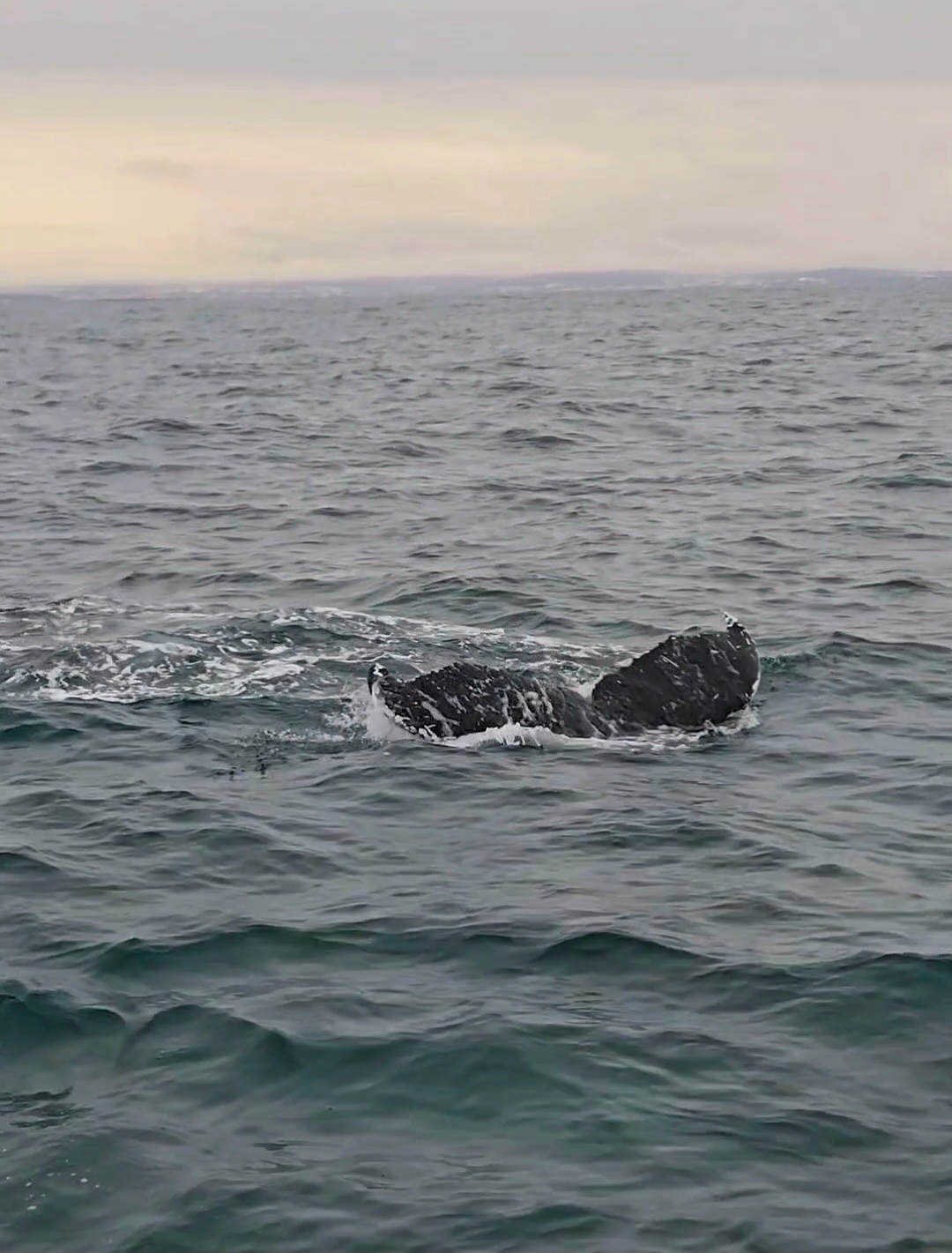
We booked the Amelia Rose whale-watching yacht during our November 2026 trip and spent approximately three hours out on the water.
We'd chosen the yacht partly because it had a comfortable indoor lounge, which turned out to be a very good decision given the weather.
Although we could warm up inside between sightings, we obviously wanted to spend plenty of time out on deck looking for whales and taking photographs.
The wind and sea spray made it feel much colder than walking around Reykjavík, and the conditions became quite rough further from shore.
We were lucky enough to see several minke whales and two humpback whales, so there was plenty of incentive to stay outside whenever wildlife was spotted.
However, I'd definitely recommend preparing for the cold rather than assuming you'll be comfortable in the same clothing you wore around the city.
My Whale-Watching Packing List
- Thermal top and leggings
- Warm fleece or jumper
- Waterproof and windproof jacket
- Waterproof trousers if the weather is wet
- Thermal gloves or insulated mittens
- Warm hat that stays secure in the wind
- Snood or neck warmer
- Warm socks and waterproof footwear
- HotHands or similar hand warmers
- Fully charged phone or camera
- Seasickness medication if appropriate
- Optional small flask of hot drink, if permitted
Should You Take a Flask on Whale Watching?
I'd consider bringing a small, leakproof flask of tea, hot chocolate or another hot drink, particularly if you're taking an outdoor excursion where refreshments aren't available.
It's not essential, and I'd check the operator's rules before bringing drinks aboard, but something warm can be lovely during colder conditions.
The Amelia Rose actually had an indoor bar where you could buy refreshments, so we didn't need to bring our own hot drinks for that particular trip.
However, for longer outdoor excursions or Northern Lights trips, a small insulated flask could be a useful extra.
Don't Forget About Seasickness
One thing I'd recommend thinking about before booking a whale-watching trip is the possibility of rough seas.
During our tour, the water became much rougher as we travelled further out into Faxaflói Bay, and several people were struggling with seasickness.
If you know you're prone to motion sickness, I'd recommend speaking to a pharmacist before travelling about suitable medication and when it should be taken.
I'd also take water and any medication you normally need, rather than waiting until you're already feeling unwell on the boat.
You can read our full Reykjavík Whale-Watching Review for more details about the Amelia Rose yacht, conditions, facilities and our experience seeing minke and humpback whales.
What to Pack for Blue Lagoon and Sky Lagoon
If you're planning to visit one of Iceland's famous geothermal lagoons, there are a few things I'd recommend adding to your bag, even if you're only travelling for the day.
We've now visited both Sky Lagoon and Blue Lagoon, and there were some small items that made the experience much more convenient.
The good news is that you don't usually need to bring as much as you might expect because many of the facilities are included with admission.
1. Swimwear
This is probably the most obvious item, but it's also the easiest to forget when you're packing for a winter destination.
I'd definitely pack a swimming costume, bikini or suitable swimwear if you're visiting Blue Lagoon, Sky Lagoon or any of Iceland's geothermal pools.
Both Blue Lagoon and Sky Lagoon have proper changing facilities, so there's no need to travel around Reykjavík wearing your swimwear underneath your clothes.
2. A Ziplock Bag or Carrier Bag for Wet Swimwear
This is one of the little things I'd absolutely recommend taking.
After spending several hours in a geothermal lagoon, you'll need somewhere to put your wet swimming costume before travelling back to your hotel or heading to the airport.
A large ziplock bag, reusable waterproof pouch or even a simple carrier bag will do the job.
We visited Blue Lagoon on our way home from Iceland, so having somewhere to keep wet swimwear separate from everything else was particularly useful.
If you're travelling with just an underseat bag, the last thing you want is your damp swimming costume soaking the rest of your clothes or travel documents.
I'd rinse your swimwear if possible, squeeze out excess water and pack it separately, remembering to take it out to dry as soon as you get home.
3. Hair Clips or Hair Ties for Blue Lagoon
If you have long hair, I'd definitely pack a couple of hair ties or a sturdy hair clip for Blue Lagoon.
The lagoon's geothermal seawater contains silica, which can make hair feel stiff and difficult to manage if it becomes soaked.
The attraction recommends applying conditioner before entering the water and leaving it in your hair, particularly if you think your hair might get wet.
Conditioner is available in the changing rooms, so you don't necessarily need to bring your own.
I'd also tie long hair up securely to minimise contact with the water.
We'd previously visited Sky Lagoon, where this wasn't the same concern, but for Blue Lagoon I'd definitely make hair ties part of the packing list.
4. Waterproof Phone Pouch
If you want to take photographs while you're in the lagoon, I'd consider bringing a waterproof phone pouch.
Blue Lagoon allows phones in the lagoon itself, provided you respect other guests' privacy, although phones and cameras shouldn't be used in the changing rooms.
The phone pouch is useful for protecting your device from splashes and accidental drops into the water.
I'd check that the pouch is properly sealed and suitable for your phone before using it, rather than assuming every inexpensive waterproof cover will offer the same level of protection.
5. Flip-Flops and Toiletries
Flip-flops are another optional extra, particularly if you prefer wearing something on your feet while moving between changing areas and showers.
However, I wouldn't buy lots of additional toiletries purely for Blue Lagoon.
The attraction provides towels, shampoo, conditioner and body wash, while our Premium package also included a bathrobe.
Sky Lagoon also provides changing facilities and toiletries, although the precise inclusions depend on your admission package.
I'd check your booking before packing bulky towels or extra products, especially if you're travelling light.
6. Hairbrush, Lip Balm and Moisturiser
These are small enough to fit into a toiletry bag and can be useful after spending several hours in warm water.
I'd also bring any particular hair or skincare products you rely on rather than assuming every spa will provide exactly what you prefer.
If you're heading directly to the airport afterwards, it's particularly nice to have everything you need to feel comfortable for the flight home.
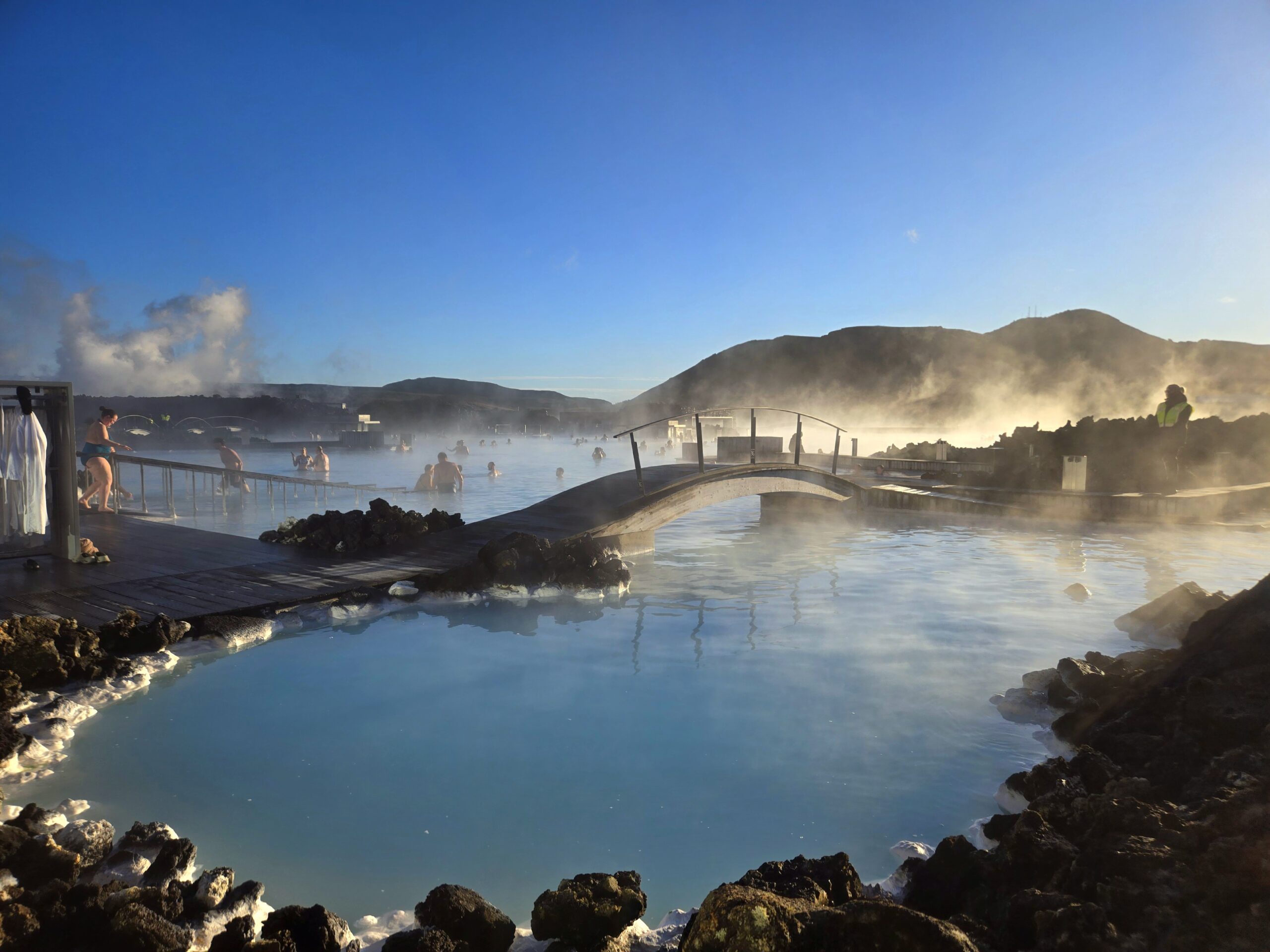
You can read our Blue Lagoon Iceland Review and Sky Lagoon Iceland Review for more details about the changing rooms, facilities and what we thought of each experience.
We've also written a Blue Lagoon vs Sky Lagoon comparison if you're struggling to decide which one to book.
Other Useful Things to Pack for Iceland in Winter
Alongside the main clothing and footwear, there are several smaller things I'd recommend considering, depending on your itinerary.
None of these take up a huge amount of space, and some are particularly useful if you're travelling with an underseat bag.
Portable Power Bank and Charging Cable
I'd definitely pack a portable power bank if you're planning a full day of sightseeing or outdoor activities.
You'll probably use your phone for photographs, maps, tickets, weather forecasts and checking transport arrangements, so it's easy to get through the battery faster than expected.
Cold conditions can also affect how well phone batteries perform.
I'd keep my phone in an inside pocket when it's particularly cold and carry a power bank as a backup.
If you're flying with a power bank, remember to check the airline's battery rules. Power banks generally need to be carried in cabin baggage rather than checked luggage.
European Travel Adapter
Iceland uses European-style electrical sockets, so if you're travelling from the UK, you'll usually need a suitable European travel adapter for your normal plug-in chargers.
This is particularly worth remembering if you're packing hair straighteners, a hairdryer or any other electrical devices.
During our November trip, we stayed at CityHub Reykjavik, where our Twin Hub had two European-style mains sockets.
However, there were also really useful ledges running along both sides of the bed, each with USB-A and USB-C charging ports.
That meant we could charge devices directly without needing an adapter for those USB connections.
Of course, not every hotel has USB charging facilities, so I'd still pack an adapter rather than relying on them being available.
We paid £113 for our Twin Hub, working out at £56.50 each. You can check CityHub Reykjavik prices and availability here if you're looking for budget accommodation in Reykjavík.
Reusable Water Bottle
I'd take a reusable water bottle rather than constantly buying bottled water.
Icelandic tap water is safe to drink, and we also found free drinking-water stations available during our Blue Lagoon visit.
It's a simple way to save a little money, particularly if you're spending several days exploring the country.
Small Waterproof Backpack
A small backpack is useful for keeping your gloves, hat, spare layers, water bottle and other essentials together during the day.
However, I'd make sure it has some waterproof protection, especially if you're planning to spend extended periods outside.
If your existing backpack isn't waterproof, a rain cover or waterproof liner can be a useful alternative.
I'd also keep electronics and travel documents in a separate waterproof pouch or bag if the forecast looks particularly wet.
Lip Balm, Moisturiser and Sunglasses
Cold winds can leave your lips and skin feeling dry, while spending time in warm geothermal water can add to that feeling.
I'd pack a small lip balm and moisturiser, particularly for winter trips where you're moving between cold outdoor conditions and warm indoor spaces.
Sunglasses are another item worth considering, especially on bright days when sunlight reflects off snow, water or ice.
During our March visit, we had beautiful blue skies and bright sunshine, so sunglasses would definitely have been useful.
Travel Insurance and Important Documents
I'd always make sure travel insurance is in place before travelling, particularly if you're planning outdoor activities or visiting during winter.
It's also worth checking that your policy covers the activities you've booked, including any specialist excursions.
I'd keep my passport, cards, boarding passes and booking confirmations somewhere secure and easy to access.
Although most bookings can be accessed on your phone, I like having important information downloaded in advance in case there's a problem with mobile signal or internet access.
Medication and a Small First-Aid Kit
I'd pack any regular medication, along with a few basic supplies that could come in useful during the trip.
For whale watching, motion sickness medication may be worth considering if you're prone to seasickness.
I'd also take any usual pain relief, plasters or other essentials you might need, particularly if you're travelling outside Reykjavík or spending long days on excursions.
For prescription medication, keep it in its original packaging where possible and check any applicable travel requirements before departure.
What to Pack for Northern Lights Tours in Winter
If you're hoping to see the Northern Lights, you may spend quite a long time outside in the dark, often with periods of standing still while waiting for the aurora to appear.
That can feel much colder than walking around Reykjavík, particularly if you're somewhere exposed and away from the city.
I'd wear thermal layers, a warm insulating jumper or fleece, a waterproof and windproof jacket, proper gloves, hat and snood, along with suitable warm footwear.
This is another activity where I'd definitely consider taking HotHands or similar hand warmers, especially if you're hoping to take photographs.
A fully charged phone or camera is important, and I'd keep a power bank handy in case the battery drains more quickly in the cold.
If you're serious about Northern Lights photography, a small tripod can also be useful for keeping your camera steady during longer exposures.
I'd also check whether your tour operator provides warm outer clothing, because some excursions include thermal overalls or other specialist equipment.
We've been fortunate enough to see the Northern Lights from our flights home from Iceland, including this wonderful view from the aircraft window.
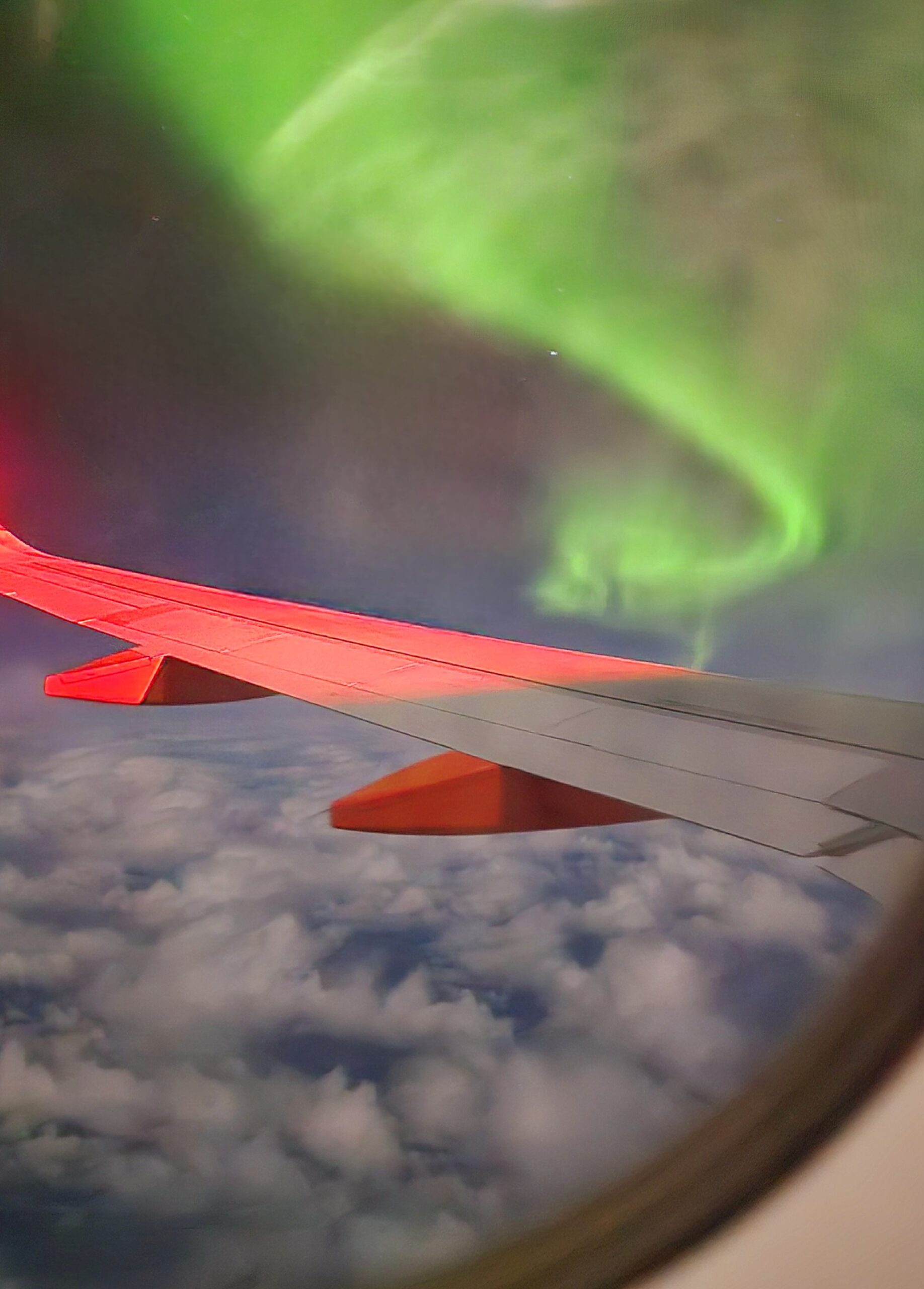
Of course, the Northern Lights are never guaranteed, and cloud cover can make a big difference to whether you see them from the ground.
During our November trip, there was aurora activity throughout the week, but heavy cloud coverage made sightings much more difficult.
I'd recommend checking the Icelandic Meteorological Office Northern Lights forecast before heading out.
Iceland Packing List for an Extreme Day Trip or 1–2 Nights
We've organised Iceland trips that involved flying from Manchester for the day, as well as staying overnight, and we usually prefer to travel with just an underseat bag wherever possible.
It keeps the flight costs down and means we don't have to worry about collecting luggage at the airport.
However, packing for Iceland in winter with a small bag does require a bit of planning, particularly when you need both warm clothing and swimwear.
For a short visit, I'd wear the bulkiest items on the plane rather than trying to squeeze everything into my bag.
That would include my waterproof jacket, warm jumper or fleece and sturdy shoes, with my hat, gloves and snood either worn or tucked into my coat pockets.
I'd then use my underseat bag for the smaller essentials and spare clothing.
My Suggested Underseat Bag Packing List
| Wear on the Plane | Pack in Your Bag |
|---|---|
| Waterproof jacket | Swimming costume |
| Warm jumper or fleece | Bag for wet swimwear |
| Comfortable trousers | Spare underwear and socks |
| Sturdy walking shoes | Thermal leggings if needed |
| Thermal top if needed | Small toiletry bag |
| Hat and snood | Phone charger and adapter |
| Warm gloves | Power bank |
| Warm socks | Hair ties or clips |
| Comfortable warm outfit | HotHands and personal essentials |
For a one-night stay, I'd add a spare top and whatever sleepwear you need, depending on the space available.
If you're planning whale watching or a particularly exposed outdoor activity, I'd prioritise extra warm layers and waterproof trousers over taking additional outfits for the evening.
Of course, the exact amount you can pack will depend on your airline's permitted underseat bag dimensions, so I'd always check these before travelling.
Do You Need a Change of Shoes?
For an Extreme Day Trip or one-night break, I wouldn't normally take a second pair of shoes unless there was a specific reason.
Instead, I'd wear a comfortable waterproof pair that could be used for the whole trip.
That saves a surprising amount of luggage space, particularly when you're travelling with just an underseat bag.
However, if your activities involve particularly wet or muddy conditions, having dry footwear back at your accommodation could be useful on a longer trip.
Can You Fit Everything into an Underseat Bag?
For a short Reykjavík visit, I think it's perfectly possible if you're sensible about what you bring and wear your bulkiest clothing.
However, I'd be realistic if you're planning activities that require specialist equipment or several changes of outdoor clothing.
I'd rather pay for a slightly larger cabin bag than arrive without something important purely because I was determined to travel with the smallest luggage allowance.
For our own short trips, choosing accommodation with useful facilities also helps, as we don't necessarily need to pack towels, hairdryers or lots of toiletries.
You can read our Iceland Extreme Day Trip itinerary to see how we organised a day in Reykjavík and Sky Lagoon without needing to stay overnight.
Iceland Winter Packing List for a 3–7 Day Holiday
If you're staying for several nights or planning to explore more of Iceland, I'd take additional clothing, particularly spare thermal layers, socks and waterproof items.
I'd also consider whether you'll have access to laundry facilities and how much time you'll spend outdoors.
For example, someone staying in Reykjavík for four nights and booking guided sightseeing tours may need much less equipment than someone driving around Iceland for a week and spending long periods outside.
These are the quantities I'd use as a starting point for a typical winter holiday rather than a strict list that everyone needs to follow.
| Item | Suggested Quantity for 3–7 Days |
|---|---|
| Waterproof jacket | 1 good-quality jacket |
| Thermal tops | 2–3 |
| Thermal leggings | 1–2 pairs |
| Fleece or warm jumper | 2 |
| Trousers | 2–3 pairs |
| Waterproof overtrousers | 1 pair |
| Warm socks | 3–7 pairs |
| Underwear | Enough for each day |
| Hat and snood | 1 of each |
| Warm gloves | 1 pair, plus spare if possible |
| Waterproof walking boots | 1 pair |
| Swimwear | 1–2, depending on spa visits |
| Sleepwear | As needed |
| Hand warmers | A few pairs for outdoor activities |
I'd also bring normal travel essentials such as toiletries, medication, charging equipment, a water bottle and a small day bag.
For a full week, having spare gloves and socks can be particularly useful if your clothing gets wet and doesn't dry before the next morning.
If you're travelling with children, I'd be even more inclined to pack extra gloves, socks and warm layers, because wet clothing can quickly become uncomfortable when you're spending extended periods outside.
What About Specialist Winter Activities?
If you're planning glacier hiking, ice caving, snowmobiling or other specialist activities, I'd check the equipment requirements directly with your tour operator.
Some companies provide equipment such as helmets, crampons, thermal overalls or other specialist gear, while others require you to arrive with suitable boots and clothing.
I wouldn't buy expensive equipment before checking what's already included in the activity price.
For more remote winter travel, I'd also take local safety advice seriously and check the latest weather and road conditions before heading out.
The official Safetravel Iceland website provides useful guidance on travelling safely in Iceland, while umferdin.is shows current road conditions and closures.
Common Iceland Winter Packing Mistakes to Avoid
After visiting Iceland twice during the colder months, there are a few mistakes I'd try to avoid when preparing for another trip.
Packing One Thick Coat Instead of Layers
It's tempting to pack the warmest coat you own and assume that will be suitable for everything.
However, Iceland's weather can change very quickly, and I think having several layers is much more practical.
We were probably overdressed in March because the weather turned out much better than expected, but the extra protection was much more useful during our wet and windy November trip.
Forgetting Waterproof Clothing
This would probably be my biggest concern when packing for Iceland.
You can feel relatively comfortable in cold weather if you're dry, but getting soaked through in strong winds is a different experience altogether.
I'd prioritise a proper waterproof jacket and consider waterproof trousers for longer outdoor activities.
Underestimating How Cold Whale Watching Can Feel
Walking around Reykjavík and standing outside on a boat for several hours are very different experiences.
We found this out during our November whale-watching trip, when the wind and sea spray made our warm layers particularly important.
I'd definitely take an extra layer, warm gloves, hat, snood and hand warmers if you're planning a similar excursion.
Forgetting Swimwear for the Lagoons
It might seem obvious, but when you're packing thermal clothing and winter coats, it's surprisingly easy to overlook your swimming costume.
I'd put it straight into my bag when packing, along with a hair clip and something to store it in afterwards.
Packing Too Many Bulky Clothes
For a short trip, I'd avoid taking several heavy jumpers or coats that all serve the same purpose.
Instead, I'd concentrate on versatile clothing that can be layered and worn for more than one part of the trip.
That's particularly useful when travelling with an underseat bag, as we often do.
Wearing New Walking Boots for the First Time
Even if your boots are waterproof and look suitable for Iceland, they won't be much use if they give you blisters after the first hour.
I'd make sure any walking shoes or boots are comfortable and properly broken in before travelling.
Relying Entirely on the Weather Forecast
I'd definitely check the forecast before travelling, but I wouldn't use it as the only reason to decide what clothing to pack.
During our November trip, the difference between the weather on our first and second days was enormous.
We arrived in heavy rain and wind, enjoyed much clearer skies at Blue Lagoon the next day and then saw snow falling in Reykjavík shortly after we'd returned home.
I think that sums up how unpredictable Iceland can be, particularly during the colder months.
What Would I Personally Pack for Iceland Again?
If I were heading back to Reykjavík for another winter Extreme Day Trip or overnight break, I'd definitely pack a waterproof jacket, thermal layers, comfortable waterproof shoes, warm socks, hat, snood and decent gloves.
I'd also bring HotHands, especially if we were booking whale watching or another outdoor activity where I'd want to take plenty of photographs.
If we were visiting Blue Lagoon or Sky Lagoon, I'd pack swimwear, a hair clip, waterproof phone pouch and a bag for wet swimwear before even thinking about anything else.
For an overnight stay, I'd then add a change of underwear, spare socks, a few toiletries, charging equipment and whatever extra clothing was needed for our plans.
However, I wouldn't necessarily pack every possible winter accessory if we were only spending the day exploring Reykjavík.
Our March experience proved that Iceland can sometimes feel much milder than expected, and there's no need to spend the entire day uncomfortable because you're wearing too many clothes.
On the other hand, our November visit was a very good reminder of why waterproof clothing is so important, particularly when you have excursions planned that will go ahead in less-than-perfect weather.
I'd much rather be prepared for cold, wet and windy conditions and then remove a layer if the weather turns out lovely.
Ultimately, I think packing for Iceland in winter is about being practical rather than bringing as much as possible.
Choose clothes that can be layered, invest in decent waterproof protection where necessary and think about the activities you're actually planning to do.
That way, whether you arrive to snow, sunshine, heavy rain or a mixture of everything, you'll be much better prepared to enjoy your trip.
What to Pack for Iceland in Winter FAQs
What should I pack for Iceland in winter?
I'd recommend thermal base layers, a warm fleece or jumper, waterproof and windproof jacket, warm socks, gloves, hat, snood and sturdy waterproof footwear. Add swimwear if you're visiting a lagoon and extra layers for outdoor activities such as whale watching or Northern Lights tours.
Do I need thermals for Reykjavík in winter?
I'd pack them, even if you don't end up wearing them every day. We found Reykjavík surprisingly comfortable during our March visit, but November was much wetter and windier. Thermal layers are particularly useful when spending extended periods outside.
Do you need walking boots for Iceland?
For sightseeing around central Reykjavík, comfortable waterproof walking shoes with good grip may be sufficient. However, I'd recommend proper walking boots for hiking, waterfalls, snowy conditions and activities outside the city centre.
Can you wear trainers in Reykjavík in winter?
You may be comfortable in suitable trainers during dry, mild conditions, but I'd prefer waterproof walking shoes because Reykjavík can be wet, snowy or icy. Standard trainers may not provide enough grip or protection when conditions deteriorate.
Do you need waterproof trousers in Iceland?
For a short city break, they aren't always essential, although they can be useful during heavy rain. I'd strongly consider them for whale watching, waterfall excursions, hiking and other activities where you'll be outside for extended periods.
What gloves are best for Iceland in winter?
I'd choose warm insulated gloves with some waterproof protection. For outdoor activities, waterproof mittens or gloves are particularly useful. I'd also take HotHands or similar hand warmers for warming your hands after removing gloves to take photographs.
What should I wear whale watching in Iceland?
Wear warm thermal layers, a fleece or jumper, waterproof jacket, sturdy shoes, warm socks, gloves, hat and snood. I'd also consider waterproof trousers and hand warmers, especially during winter when the wind and sea spray can make it feel much colder.
What should I pack for Blue Lagoon?
Bring swimwear, a hair tie or clip, a bag for wet swimwear, and optionally flip-flops and a waterproof phone pouch. Blue Lagoon provides towels, shampoo, conditioner and body wash, so you don't need to bring those unless you prefer your own products.
Should you get your hair wet in Blue Lagoon?
The silica-rich water can make hair temporarily stiff and difficult to manage. Blue Lagoon recommends applying conditioner before entering and leaving it in, and tying long hair up to minimise contact with the water.
Do you need a towel for Blue Lagoon or Sky Lagoon?
Blue Lagoon includes a towel with admission, while Sky Lagoon also has towel and changing facilities. Check the current package inclusions before travelling, particularly if you've chosen an upgraded admission or want a bathrobe.
Can I visit Iceland in winter with just an underseat bag?
Yes, particularly for an Extreme Day Trip or overnight stay. We've travelled light on both types of trip. I'd wear bulky clothing on the plane and pack smaller items such as swimwear, spare socks, thermals and toiletries in the bag. Always check your airline's permitted bag dimensions.
Do I need a travel adapter for Iceland?
Yes, UK travellers will normally need a suitable European travel adapter for Iceland's electrical sockets. Some hotels also have USB charging ports, as we found at CityHub Reykjavik, but I'd still pack an adapter.
What should I pack to see the Northern Lights?
Thermal base layers, warm insulating clothing, waterproof jacket, hat, gloves, snood and suitable footwear are important, especially if you'll be standing outside for long periods. I'd also bring a power bank, hand warmers and a tripod if you're planning to take photographs.
Is Iceland colder in March or November?
Both months can bring cold, wet and windy weather, and conditions vary from year to year. We personally enjoyed a clear, frosty day in March, while our November visit began with heavy rain and wind. I'd pack for winter conditions during either month.
What should I not pack for Iceland?
For a short trip, I'd avoid unnecessary bulky clothing, several pairs of shoes and large toiletries that your accommodation or spa already provides. I also wouldn't rely on an umbrella or non-waterproof clothing for outdoor excursions.
More Iceland Travel Guides
We've now visited Iceland in March and November and have been updating our guides with our own photographs, practical travel advice and firsthand experiences to help you plan a DIY trip from the UK.
Iceland Extreme Day Trip from Manchester
Our Iceland Extreme Day Trip itinerary explains how we flew from Manchester, explored Reykjavík and visited Sky Lagoon before flying home the same day.
Blue Lagoon Iceland Review
Read our Blue Lagoon Iceland Review for our firsthand experience of the Premium package, changing facilities, face masks and visiting on the way to Keflavík Airport.
Sky Lagoon Iceland Review
Our Sky Lagoon Iceland Review covers the seven-step ritual, private changing facilities and why we enjoyed this spa experience so much.
Blue Lagoon vs Sky Lagoon
If you're deciding which spa to book, read our Blue Lagoon vs Sky Lagoon comparison, including the differences in facilities, prices and overall experience.
Whale Watching in Reykjavík
Our Reykjavík Whale-Watching Review explains what happened during our November yacht tour, including the rough weather, comfortable indoor facilities and seeing two humpback whales.
10 Budget-Friendly Things to Do in Iceland
If you're planning a trip without spending a fortune, our 10 Budget-Friendly Things to Do in Iceland guide includes free attractions and practical ideas for saving money.