
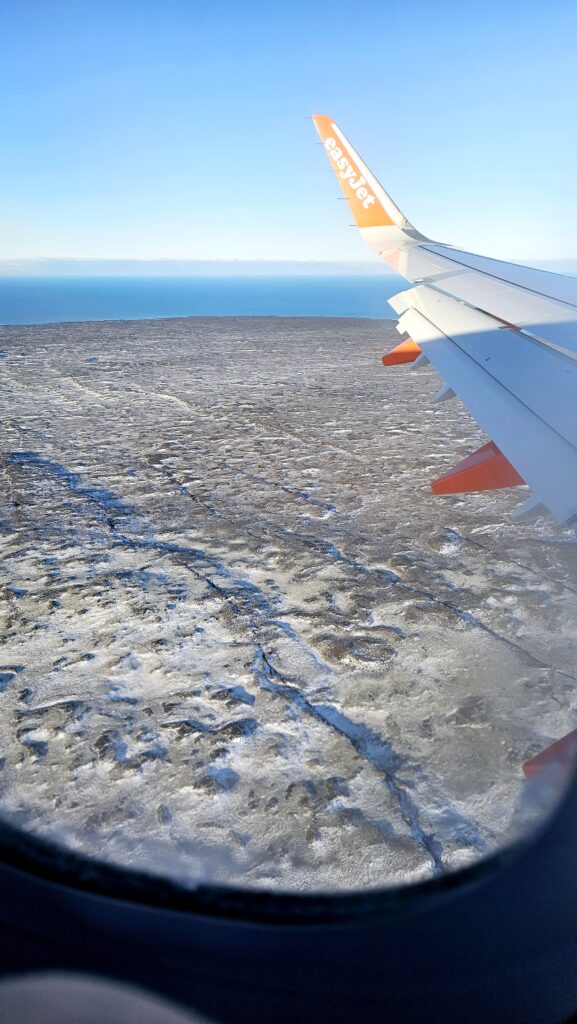
When is the best time to visit Iceland? It's probably one of the biggest decisions you'll make when planning a trip, because Iceland can feel like a completely different country depending on the month you visit.
If you're dreaming of seeing the Northern Lights and snowy landscapes, you'll probably want to travel between autumn and early spring. However, if you're planning a longer road trip, hoping to see puffins or wanting as much daylight as possible, summer may be a better choice.
We've now visited Iceland in both March and November, and I found it fascinating just how different the weather could be, even during the same trip.
In March, we arrived to frosty conditions with snow still lying on the ground, yet the skies were beautifully clear and it wasn't nearly as cold as I'd expected. In November, we arrived in Reykjavík during heavy rain and wind, only to wake up the following morning to much clearer conditions for our visit to the Blue Lagoon.
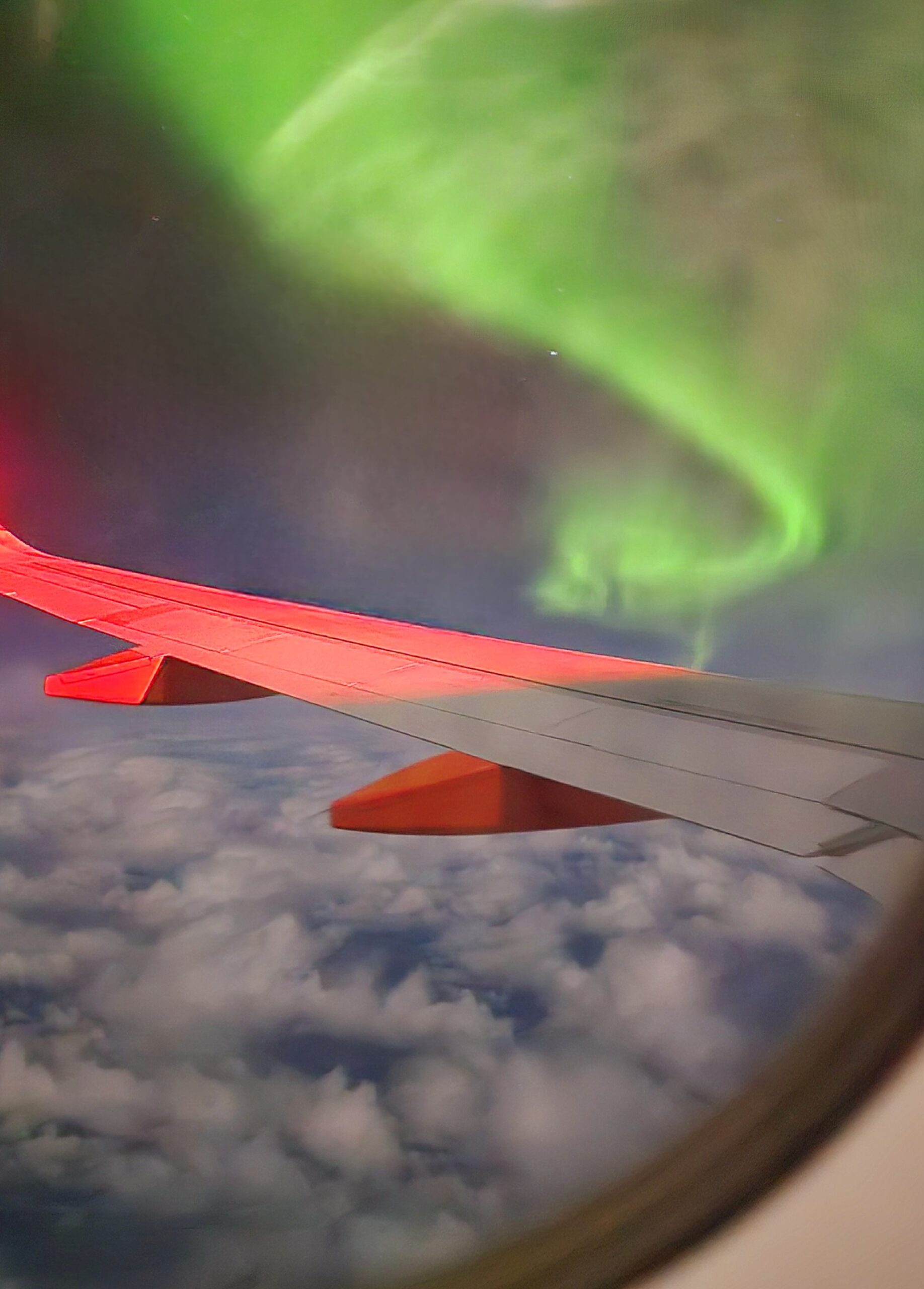
We were also lucky enough to see the Northern Lights from our flights home, although cloud cover made viewing them from the ground much more difficult.
Both trips were fantastic, and they've made me realise that you really don't need to visit Iceland during the expensive summer months to have an incredible experience.
However, there are advantages and disadvantages to every season, particularly when it comes to daylight hours, driving conditions, tour availability, wildlife and the overall cost of your trip.
In this guide, I'll explain the best time to visit Iceland for different experiences, compare the seasons month by month and share what we discovered during our own March and November trips.

This guide includes our first-hand experiences of visiting Iceland in March and November, alongside researched seasonal advice for the other months. Some links may be affiliate links, meaning Build a Break may earn a small commission at no additional cost to you.
Best Time to Visit Iceland: Quick Comparison
If you're trying to decide when to book, I'd start by thinking about what you most want to experience.
Someone hoping to see the Northern Lights may choose completely different dates from someone planning to see puffins, search for orcas or drive around Iceland's Ring Road.
Here's a quick comparison of the best general times to visit Iceland for different activities and travel priorities.
| Experience | Best Months and Locations |
|---|---|
| Cheaper flights and accommodation | Often January, April and November, plus selected spring and autumn dates outside holidays |
| Northern Lights | September to April, with clear, dark skies |
| Humpback whales | April to September is a good general window, especially around Reykjavík and North Iceland |
| Minke whales | April to September is generally favourable, particularly Reykjavík and Húsavík |
| Orcas | March to May offers particularly good chances around Snæfellsnes in West Iceland |
| Blue whales | April to June around Húsavík in North Iceland, although sightings are rare |
| Puffins | May to mid-August at coastal nesting areas |
| Long road trips and the Ring Road | June to August for long daylight hours and generally better driving conditions |
| Midnight sun and extended daylight | June, particularly around the summer solstice |
| Snowy landscapes | December to March, especially in colder northern and inland areas |
| Natural ice cave tours | Generally November to March for many winter glacier caves; availability varies |
| Hiking and Highland routes | Generally late June to September, depending on road and trail openings |
| Blue Lagoon and Sky Lagoon | Year-round, subject to weather and operational conditions |
| Reykjavík city breaks | Year-round, with each season offering something different |
These are general seasonal windows, not guaranteed sightings or conditions. Whale species vary by region, Northern Lights depend on cloud cover and solar activity, and outdoor activities may be cancelled or restricted because of the weather.
Which Month Would I Choose for a First Trip to Iceland?
For a first visit, I think it really depends on whether you're planning a short city break or a longer holiday exploring the country.
If you only have one or two days and want to explore Reykjavík, enjoy a geothermal lagoon and perhaps book a whale-watching tour, I'd happily consider March or November again.
Both worked well for us, and we managed to visit without hiring a car.
However, if I were booking a week or more to explore Iceland's countryside, waterfalls, beaches and remote landscapes, I'd probably lean towards June, July or August for the longer daylight hours and generally better road access.
If orcas were my main priority, I'd look at March to May around Snæfellsnes rather than simply booking a whale-watching trip from Reykjavík.
For puffins, I'd aim for June or July, while September could be an interesting compromise for travellers hoping to combine some outdoor sightseeing with the possibility of Northern Lights.
My advice: Choose your dates around the experience you most want to have. Iceland's weather is unpredictable throughout the year, so there's no single month that guarantees sunshine, wildlife, snow or Northern Lights.
What Is Iceland Like in March? Our Experience
Our first Iceland visit was in March 2025, when we booked an Extreme Day Trip from Manchester to Reykjavík, including an afternoon at Sky Lagoon.
We managed to find return flights for just £52 per person, making it an incredibly affordable way to experience Iceland without needing to pay for overnight accommodation.
I'd expected Iceland in March to be absolutely freezing, so we packed plenty of warm clothing and prepared ourselves for proper winter weather.
However, when we landed, the weather was much better than I'd imagined.
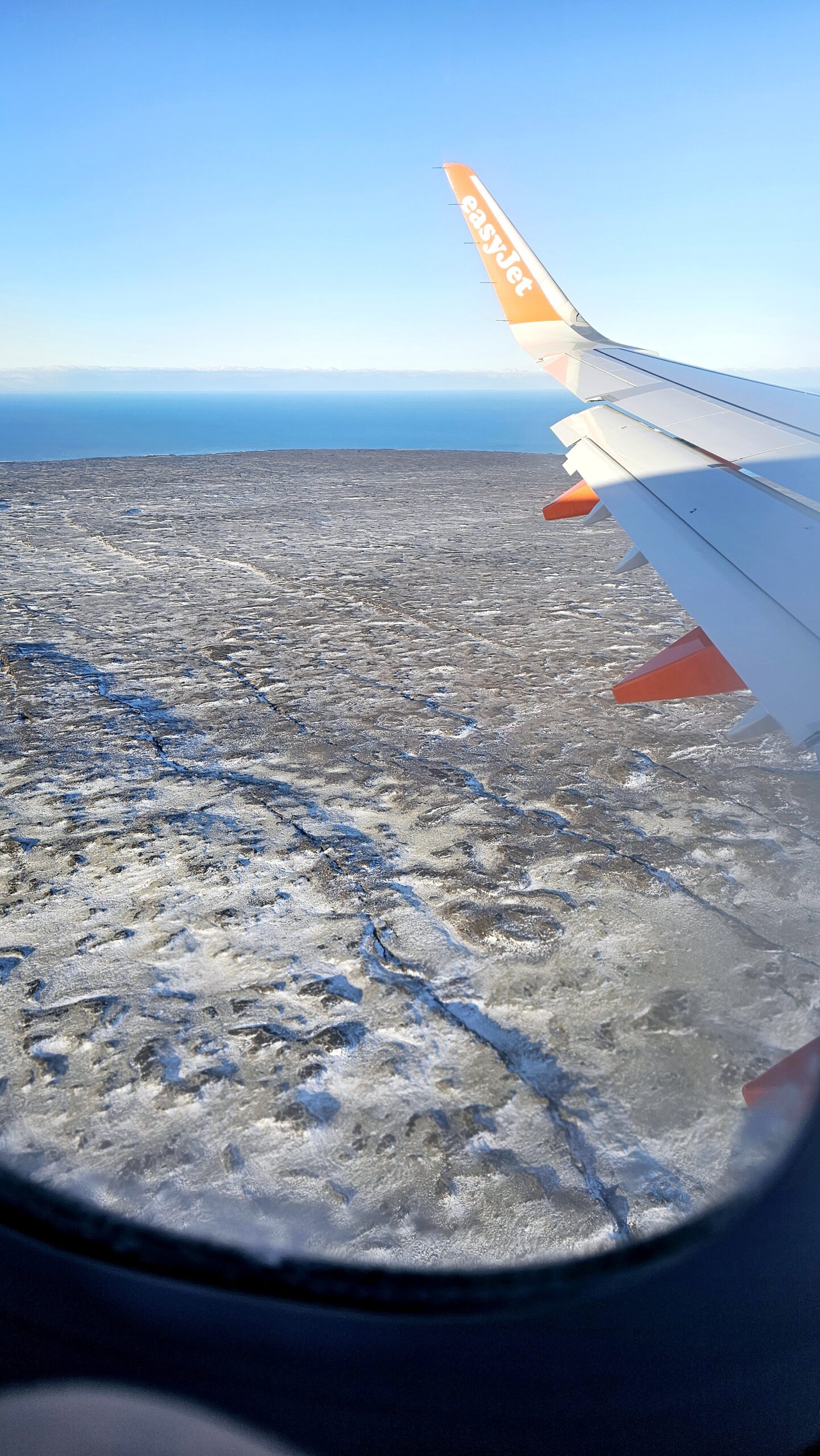
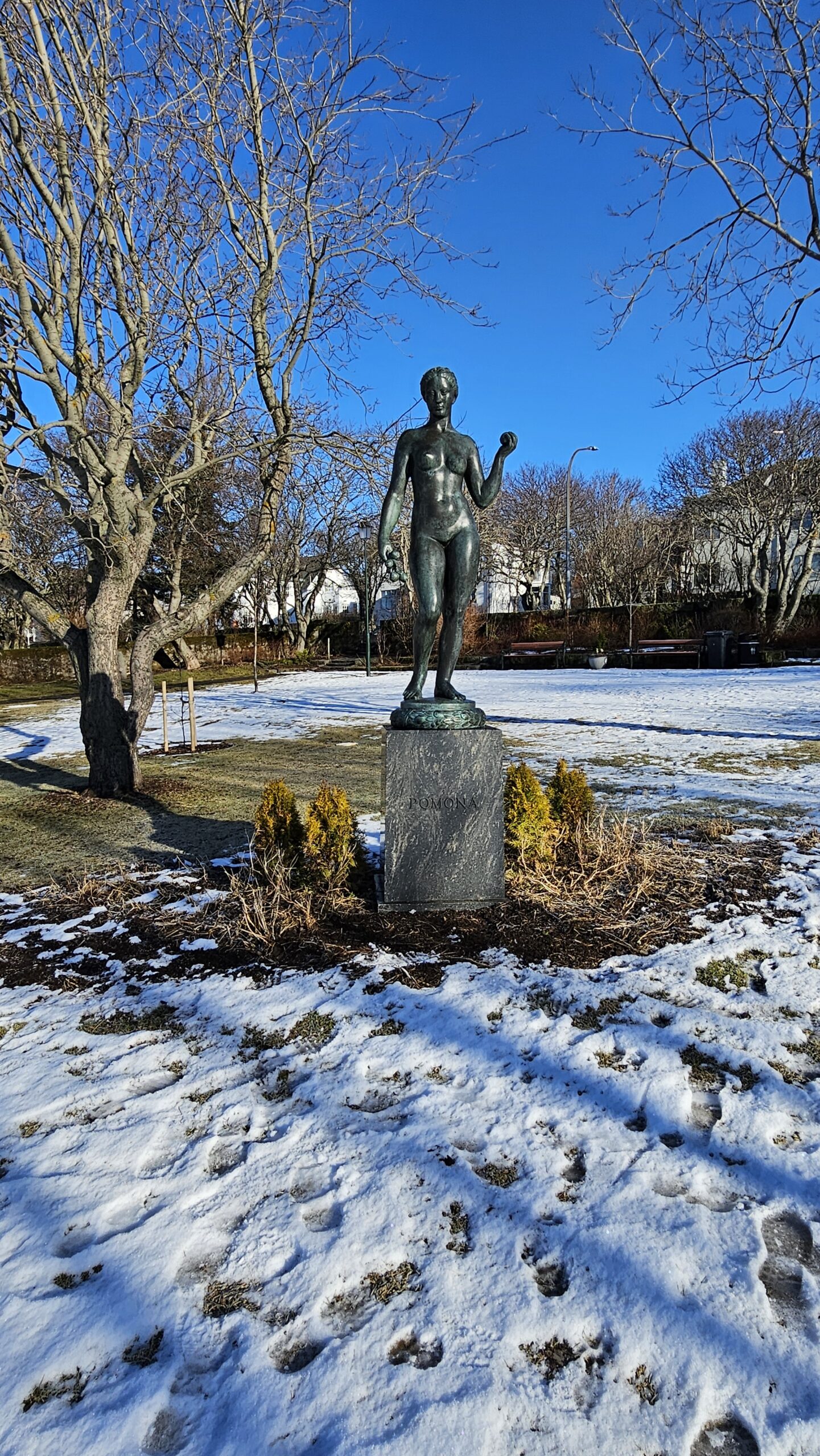
It was definitely frosty, with snow still lying on the ground and covering some of the grassy areas, but the skies were beautifully clear and it didn't feel particularly cold while we were walking around Reykjavík.
In fact, I think we were probably a little overdressed for the conditions we actually experienced!
Of course, that was simply the weather on the day we visited, and March in Iceland can still bring snow, ice, strong winds and very cold conditions.
However, it was a lovely introduction to the country and showed us that you can still enjoy Reykjavík in winter without spending the entire day struggling with freezing temperatures.
Exploring Reykjavík in March
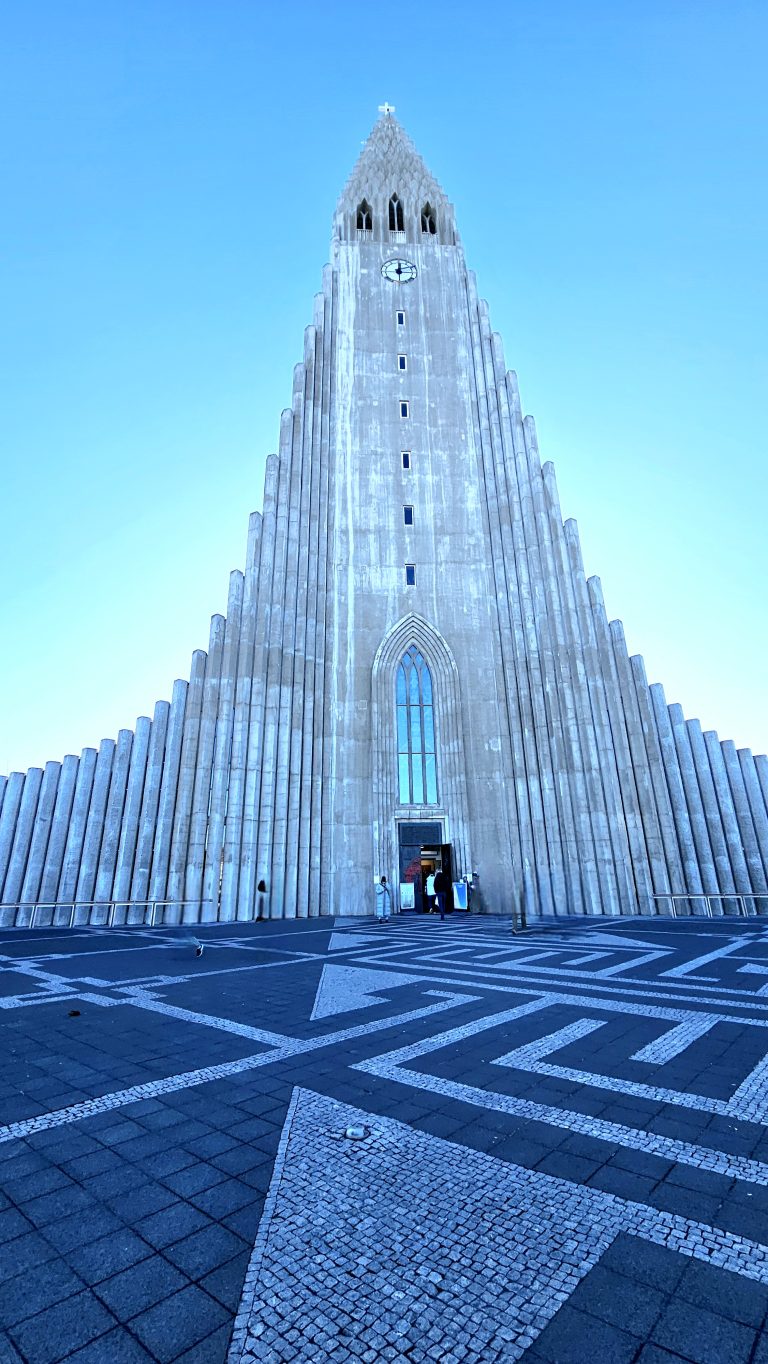
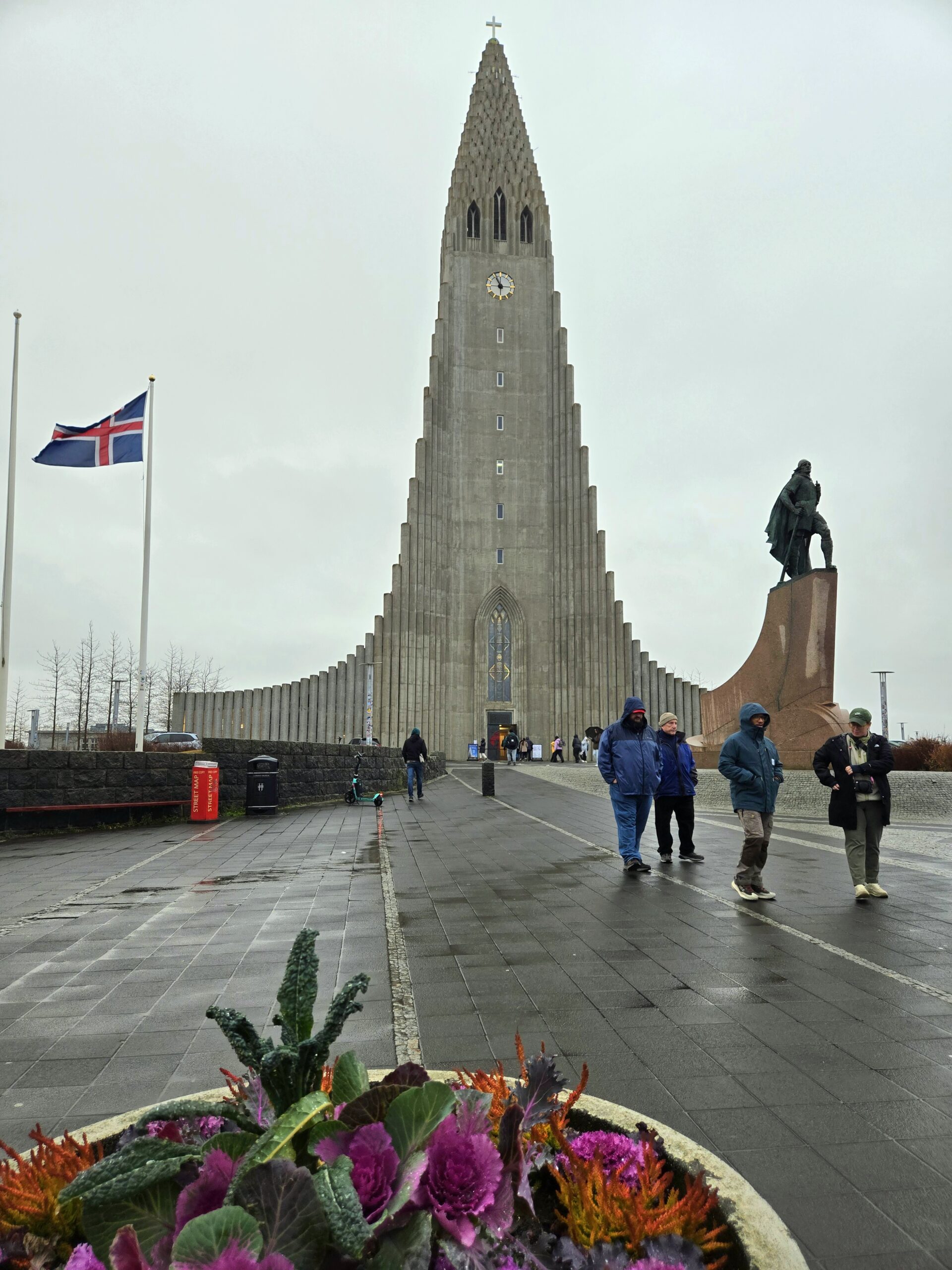
We spent the first part of our day walking around Reykjavík, visiting Hallgrímskirkja Church, Rainbow Street and some of the colourful streets around the city centre.
Despite it being March, the clear skies made sightseeing really enjoyable, and I was surprised by how comfortable we felt walking around in our winter clothing.
We then headed to Sky Lagoon, where we enjoyed the beautiful infinity pool, ocean views and seven-step spa ritual.
There's something particularly lovely about relaxing in warm geothermal water when the air outside is cold, and I think winter is a fantastic time to enjoy Iceland's lagoons.
We chose the upgraded Sér experience, which included completely private changing facilities, and it remains one of my favourite spa experiences.
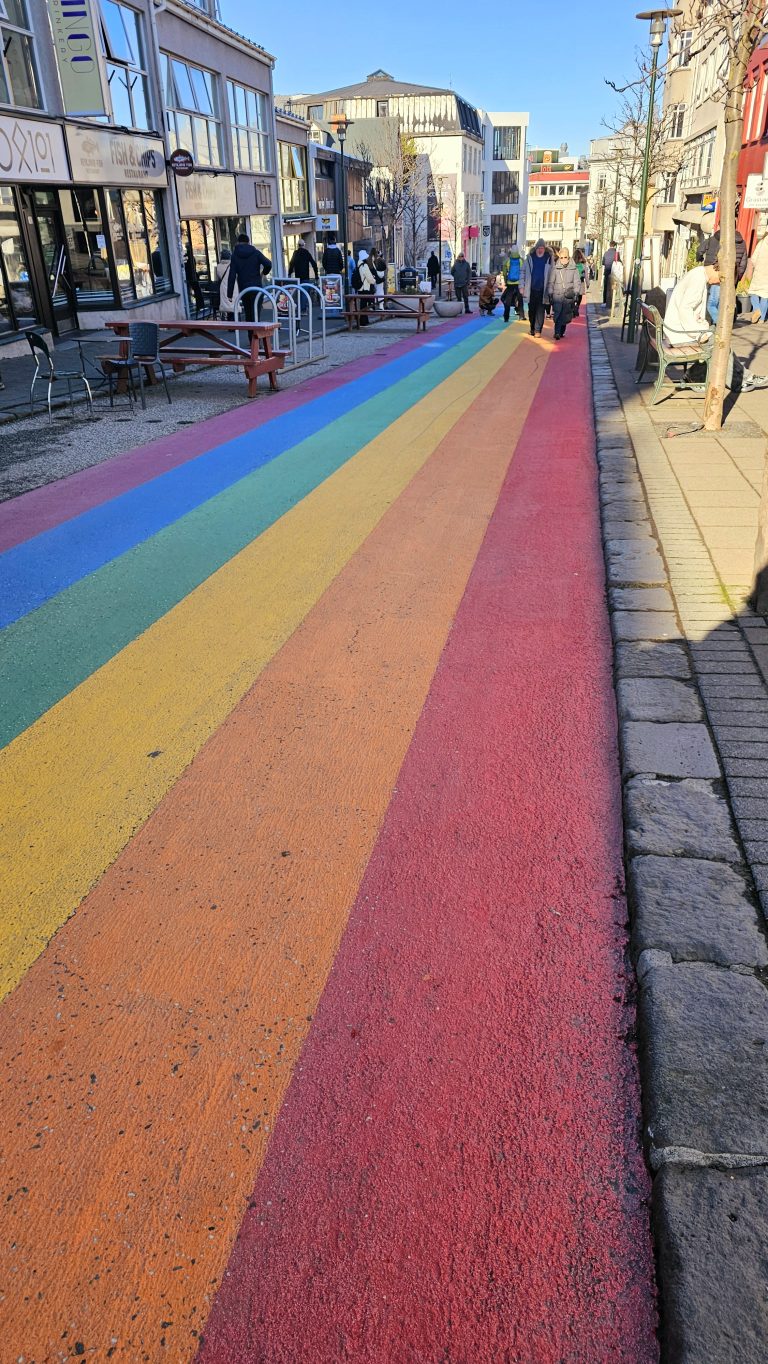
You can read our Iceland Extreme Day Trip itinerary for the full timings, flights, transfers and costs.
We've also written a detailed Sky Lagoon Iceland review if you're considering including the spa in your own trip.
Can You See the Northern Lights in Iceland in March?
Yes, and March is actually a really good month to consider if you want a combination of winter experiences, increasing daylight and the possibility of seeing the Northern Lights.
We were incredibly lucky to see the Northern Lights from the plane on our way home, which was such an unexpected ending to our first Iceland trip.
It was a lovely reminder that sometimes the best moments of a trip are the ones you haven't actually planned!
March still has dark enough evenings for aurora sightings, although cloud cover and solar activity will always affect your chances.
Would I visit Iceland in March again? Definitely. We had clear skies, snow still on the ground, affordable flights and a wonderful day exploring Reykjavík and Sky Lagoon. Just remember that we were lucky with the weather and conditions could be completely different on another visit.
What Is Iceland Like in November? Our Experience
We returned to Iceland in November 2026, this time deciding to stay overnight so we could fit in whale watching as well as a visit to Blue Lagoon.
It was a completely different experience from our March visit, particularly when it came to the weather!
When we landed, Reykjavík was extremely wet and windy, and by the time we reached our accommodation, we were absolutely soaked through.
Fortunately, we'd booked somewhere very central, so we were able to drop off our bags and get changed before heading out again.
We stayed at CityHub Reykjavik, a modern pod hotel with private sleeping pods, shared bathrooms and a rooftop hot tub.
Our Twin Hub cost £113 for the night, which worked out at just £56.50 per person.
I was so impressed by the facilities, particularly the immaculate bathrooms, comfortable beds and lovely communal lounge. It was much better than I'd expected for accommodation at that price.
You can check CityHub Reykjavik prices and availability here if you're planning a similar short break.
Whale Watching in November
Despite the weather, we still headed out on our whale-watching tour from Reykjavík's Old Harbour.
We'd booked the Amelia Rose yacht, which had comfortable indoor seating and outdoor viewing decks, and I was very glad we'd chosen somewhere with a warm indoor lounge.
Although the weather was wet and the sea became quite rough further from shore, our patience was rewarded with several minke whale sightings and two humpback whales.
It was an incredible experience, and proof that you can still enjoy whale watching outside the main summer season.
However, I'd definitely recommend wrapping up properly if you're planning a boat trip in November.
Walking around Reykjavík was manageable in our normal winter clothing, but spending time out at sea felt very different.
I'd make sure you have an extra warm layer, a hat, a snood and a decent pair of gloves, particularly if you want to spend time on the outdoor decks watching for wildlife.
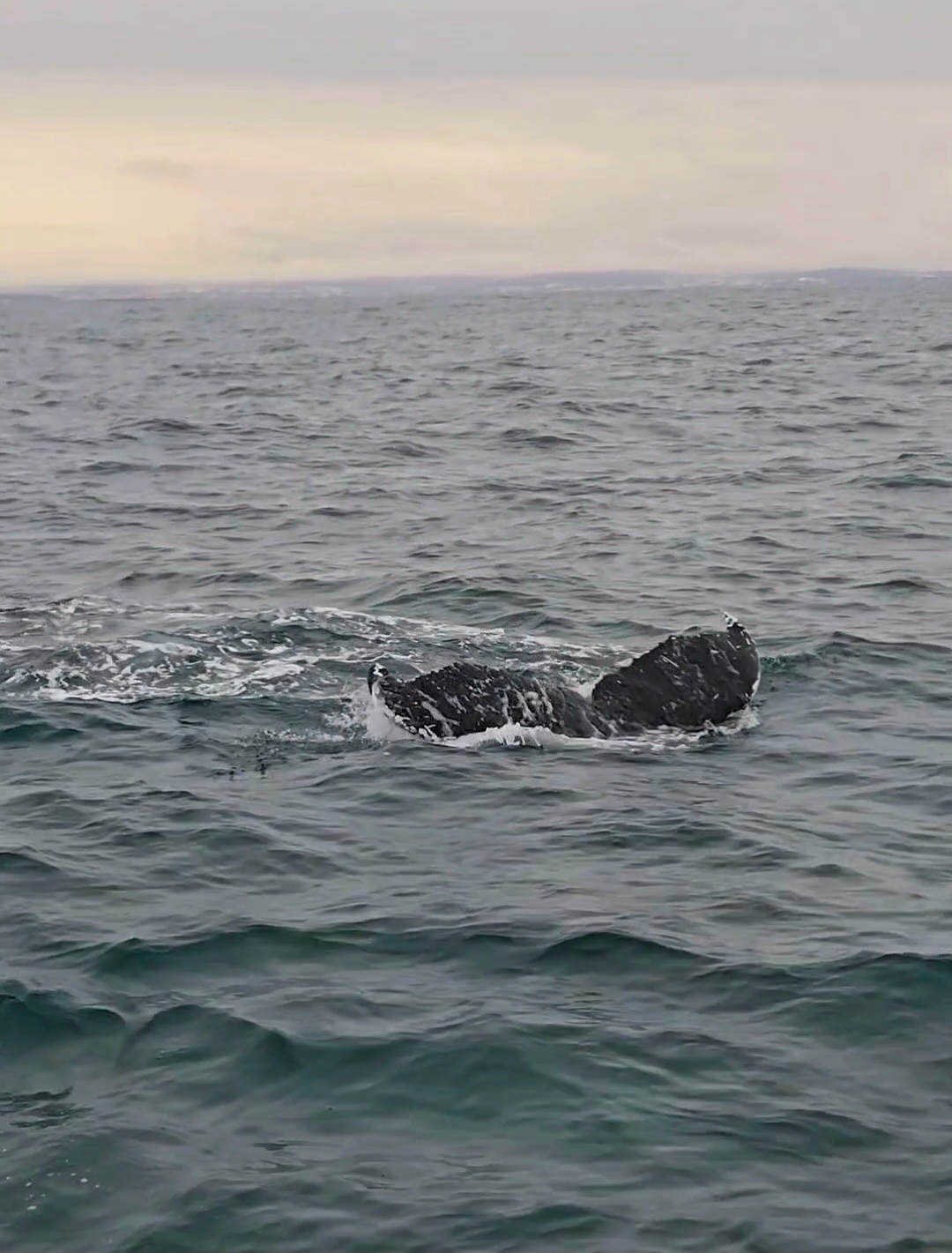
You can read our full Reykjavík Whale Watching Review, including the yacht, weather conditions, prices and whether we thought it was worth booking.
Clear Skies at Blue Lagoon the Following Day
One of the things that really surprised me about our November trip was just how quickly the weather changed.
After arriving in pouring rain and experiencing rough conditions during whale watching, we woke up the following morning to much better weather.
We'd booked Blue Lagoon for our second day, and by the time we arrived, the skies were beautifully clear.
It was such a contrast to the previous day, and the experience was absolutely wonderful.
We spent around five hours enjoying the geothermal water, face masks and spa facilities before travelling on to Keflavík Airport for our flight home.
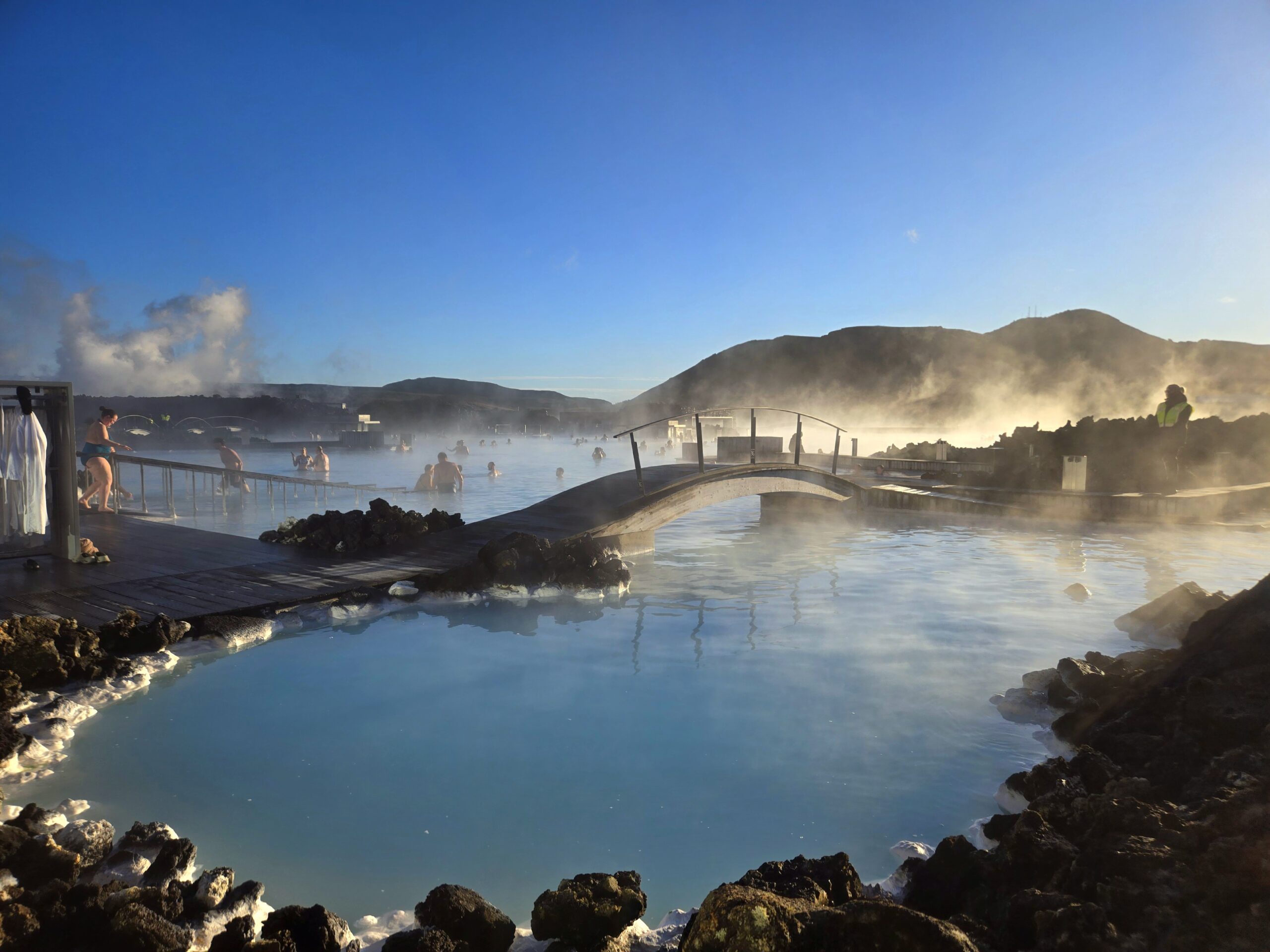
I'd been a little apprehensive about visiting Blue Lagoon after hearing so many people say Sky Lagoon was better, but we actually loved both experiences.
You can read our Blue Lagoon Iceland review or our Blue Lagoon vs Sky Lagoon comparison if you're deciding which to book.
Did It Snow in Reykjavík in November?
There wasn't snow covering Reykjavík during our visit, although the conditions were certainly cold enough for it to feel like winter.
However, the day after we returned home, snow started falling in Reykjavík.
That really sums up Iceland's unpredictable weather, as we'd experienced heavy rain, strong winds and clear skies within just a couple of days, followed almost immediately by snow.
If you're planning to visit in November hoping for snowy photographs, I'd bear in mind that snow isn't guaranteed, particularly around Reykjavík.
You might arrive to a winter wonderland, or you might spend your visit walking around in the rain like we did!
What About the Northern Lights in November?
There was Northern Lights activity throughout the week surrounding our November trip, which made it particularly frustrating that cloud cover was so heavy during much of our stay.
Even when the aurora is active, you won't necessarily see anything from the ground if clouds are blocking the sky.
It's one of the reasons I'd never recommend booking a very short Iceland trip with the expectation that you're guaranteed to see the Northern Lights.
We were fortunate enough to enjoy an aurora sighting from the plane on our journey home, showing just how much difference it can make to have a clearer view of the sky.
If seeing the lights is your main reason for visiting Iceland, I'd recommend allowing several nights rather than relying on one evening.
Would I visit Iceland in November again? Yes. The weather wasn't the best, but we enjoyed whale watching, Blue Lagoon and Reykjavík without the crowds I'd expect during peak summer. Our CityHub accommodation was good value, and there were opportunities to see the Northern Lights, even though the clouds made things difficult.
Best Time to Visit Iceland: Month-by-Month Guide
Although we've personally visited in March and November, there are plenty of reasons to consider Iceland during the other months too.
Here's what I'd take into account when deciding when to book.
January: Snow, Winter Landscapes and Northern Lights
January is one of Iceland's darkest months, with short days, cold weather and opportunities to see the Northern Lights when conditions are right.
It's a good time to consider winter activities such as guided ice cave experiences and geothermal bathing, although road trips can be more challenging because of snow, ice and changing weather conditions.
If you're planning to explore beyond Reykjavík, I'd be particularly careful about driving and consider organised tours instead if you aren't experienced with winter road conditions.
January can also be worth comparing if you're looking for cheaper flights and accommodation outside the Christmas and New Year period.
February: A Popular Month for Winter Experiences
February can be a lovely time to visit if you're hoping to enjoy snowy landscapes, Northern Lights tours and winter excursions.
There's gradually more daylight than in January, although it's still very much winter and the weather can be unpredictable.
I'd recommend booking popular guided activities in advance, particularly if you're visiting during the UK February half-term holidays.
If you're specifically hoping to see orcas, some Snæfellsnes whale-watching operators begin their season in February, although March to May generally offers better opportunities.
March: Increasing Daylight with a Winter Feel
March offers a useful balance between winter scenery and gradually longer days.
You can still experience snow and frosty conditions, and there's enough darkness for Northern Lights opportunities, but you're not dealing with the very shortest days of midwinter.
We visited in March and enjoyed beautiful clear skies, snow on the ground and weather that felt much milder than we'd expected.
For a short Reykjavík break, I'd happily recommend March, although I'd still pack properly for winter conditions.
March is also worth considering if you want to look for orcas around Snæfellsnes, where late winter and spring can bring particularly good sightings.
April: Spring Begins to Arrive
April brings longer daylight hours and the gradual arrival of spring, although Iceland can still experience snow, strong winds and cold weather.
It's a good month to consider if you'd like more time for sightseeing without travelling during the busiest summer period.
There may still be opportunities to see the Northern Lights early in April, while the first puffins begin returning to some coastal areas towards the end of the month.
April is also worth looking at for whale watching, particularly if you're interested in the possibility of seeing orcas around Snæfellsnes or the rarer blue whales around North Iceland.
I'd still be cautious about planning remote hikes or Highland drives, as many seasonal roads remain closed.
May: Longer Days and More Outdoor Opportunities
May is a lovely month to consider for sightseeing, with much longer daylight hours and the countryside beginning to look greener.
Puffins start gathering at nesting sites, and whale-watching activities become increasingly popular as the summer season approaches.
It's also a good time to consider some of Iceland's main sightseeing routes, although snow and poor weather can still affect certain roads and trails.
For wildlife lovers, May is particularly interesting because orcas can still be seen around Snæfellsnes, while blue whales are occasionally spotted around Húsavík.
I'd compare accommodation prices carefully, as May can offer better value than July or August, depending on your dates.
June: Long Days and the Midnight Sun
June is one of the most popular months for exploring Iceland because the days are incredibly long.
Around the summer solstice, Reykjavík experiences almost continuous daylight, with the sun dipping briefly below the horizon but the sky remaining light.
That gives you so much more flexibility when planning road trips, waterfalls and scenic stops.
June is also a lovely month for puffin watching, whale watching and hiking, although some Highland roads may not open until later in the month, depending on conditions.
If blue whales are something you'd love to see, early summer around Húsavík may be worth investigating, although these sightings remain relatively rare.
The main drawback is that summer is a popular time to visit, so flights, accommodation and hire cars may cost more.
July: Best for Exploring Iceland's Countryside
July is generally one of the best months for a longer Iceland road trip, particularly if you're hoping to explore more remote areas.
Daylight hours remain extremely long, hiking opportunities are more accessible and the main summer wildlife season is underway.
It's an especially appealing time if you're planning to visit waterfalls, black sand beaches, glacier lagoons and other natural attractions around the country.
July is also an excellent month to consider for humpback whale watching and visiting puffin nesting colonies.
However, it's part of the peak tourist season, so I'd expect popular places to be busier and recommend booking accommodation and hire cars early.
August: Summer Activities with Shorter Evenings
August is another excellent month for road trips, hiking and whale watching, with many summer attractions still operating.
There are still long days, although the nights gradually begin getting darker as autumn approaches.
Puffins can still be present at some nesting sites during the earlier part of August, but many begin leaving Icelandic waters later in the month.
Late August can also bring the first opportunities to see the Northern Lights as darker skies return, although sightings are never guaranteed.
September: A Great Balance Between Summer and Winter
September is probably one of the months I'd most like to experience in Iceland.
There's still useful daylight for sightseeing, but the nights become dark enough for Northern Lights opportunities.
It's also outside the main summer holiday period, which can make some accommodation and travel options more affordable, although popular September dates can still be expensive.
Whale-watching tours are still available, and humpback and minke whale sightings can remain good in several regions.
However, weather conditions can become more unsettled and some seasonal attractions and Highland roads begin closing as autumn progresses.
I think September could be a lovely choice for travellers who want to explore Iceland without the very short days of winter.
October: Autumn Colours and Northern Lights
October brings shorter days, cooler temperatures and more opportunities to see the Northern Lights.
The autumn scenery can be beautiful, particularly in areas where the landscape changes colour before winter arrives.
However, October can also bring rain, strong winds and early snow, so I'd be careful about planning long drives or outdoor activities that depend on good conditions.
Whale watching may still be possible, although tour schedules and sightings can become less predictable than during the summer.
For a short stay in Reykjavík with a spa experience and some sightseeing, October could work well, provided you're happy to be flexible.
November: Quieter Reykjavík and Winter Activities
November is one of the months we've personally experienced, and despite the weather being very wet on our first day, we had a fantastic trip.
We found Reykjavík manageable to explore on foot, enjoyed whale watching despite rough conditions and had lovely clear skies for Blue Lagoon the following day.
Daylight becomes much shorter as November progresses, with Reykjavík having roughly eight hours at the beginning of the month and around five by the end.
It's a great month to consider if you want a quieter short break and the possibility of seeing the Northern Lights, but I'd prepare for rain, wind, snow or a mixture of everything.
November can also offer good-value accommodation and flights, although that depends on your dates and availability.
December: Christmas Atmosphere and Long Winter Nights
December is a particularly atmospheric month in Iceland, with Christmas decorations, festive events and very long winter nights.
Reykjavík has only around four hours of daylight close to the winter solstice, so you'll need to plan sightseeing carefully.
However, the darkness can provide opportunities for Northern Lights sightings when the sky is clear, and geothermal pools are particularly appealing during the colder weather.
I'd consider December for a festive city break or winter experience rather than trying to fit an ambitious road trip into the short daylight hours.
When Is the Best Time to See the Northern Lights in Iceland?
If seeing the Northern Lights is the main reason you're visiting Iceland, I'd recommend travelling between September and April, when the evenings are dark enough for aurora sightings.
However, there's one really important thing to understand before booking: the Northern Lights are never guaranteed.
You need suitable aurora activity, darkness and sufficiently clear skies, and cloud cover can make an enormous difference to your chances.
During our November trip, there was Northern Lights activity reported throughout the week, but the clouds made viewing from the ground extremely difficult.
It was frustrating knowing the lights could be active above us while the sky was completely covered!
That's why I'd always recommend checking both the aurora activity and cloud cover rather than concentrating entirely on the Northern Lights forecast number.
The Icelandic Meteorological Office Northern Lights forecast is particularly useful because it shows predicted cloud cover as well as aurora activity.
Is March or November Better for the Northern Lights?
Both months can offer opportunities to see the Northern Lights, so I wouldn't automatically rule out either.
March can be a particularly appealing choice because you still have dark evenings but also get considerably more daylight for sightseeing than in the middle of winter.
November offers longer nights, although our experience certainly showed how frustrating the weather can be when the aurora is active but the sky is cloudy.
If you really want to see the Northern Lights, I'd concentrate on staying for several nights and being flexible rather than assuming one particular month will guarantee better conditions.
Can You See the Northern Lights from a Plane?
Yes, and we've been fortunate enough to experience this on our journeys home from Iceland.
If you're flying back to the UK on an evening or night flight, I'd consider booking a window seat on the left side of the aircraft if you're hoping for a glimpse of the aurora.
That's the side I'd be tempted to choose again based on our experience, although the best view can change depending on the flight route, the aircraft's direction, cloud cover and where the aurora is active.
There's absolutely no guarantee that you'll see anything, even with a window seat, but I think it's worth considering if you have the option to choose your seat.
If the Northern Lights are a major priority, I'd also suggest staying in Iceland for several nights rather than booking a single overnight trip.
That way, if one evening is completely cloudy, you have another chance to see them during your stay.
My Northern Lights tip: Don't rely on a high aurora forecast alone. Cloud cover is just as important, and allowing several nights in Iceland can improve your chances of finding a clear evening.
When Is the Best Time for Whale Watching in Iceland?
Whale watching is one of Iceland's most memorable wildlife experiences, and the main season generally runs from April to September, although some destinations have good opportunities into October.
During the warmer months, feeding conditions attract different whale species, and there are generally more departures available in different parts of the country.
However, that doesn't mean whale watching is impossible outside summer.
We booked a three-hour whale-watching trip from Reykjavík in November 2026 and were lucky enough to see several minke whales and two humpback whales.
The weather definitely wasn't perfect, and the sea became quite rough as we travelled further out into Faxaflói Bay, but it was an incredible experience.
For winter whale watching, I'd recommend choosing a boat with comfortable indoor seating, wrapping up warmly and being prepared for the possibility of seasickness.
You can check availability for the Amelia Rose whale-watching yacht tour, which is the one we personally booked.
I've also written a full Reykjavík Whale Watching Review explaining what happened during our tour and why we thought it was worth the money.
When Can You See Different Types of Whales in Iceland?
One thing worth understanding is that different parts of Iceland offer different opportunities for whale watching.
If you're staying in Reykjavík, the most commonly encountered species include minke whales, humpback whales, white-beaked dolphins and harbour porpoises.
However, if there's a particular species you're hoping to see, such as orcas or blue whales, you may be better looking at a different part of Iceland and planning your dates around that.
Humpback Whales: April to September
Humpback whales are one of Iceland's most popular whale-watching attractions, particularly because of their size and the wonderful behaviour visitors can sometimes see at the surface.
April to September is a good general window for humpback watching, with strong opportunities around Reykjavík and North Iceland.
Húsavík and the waters around Akureyri are particularly well known for humpback sightings during the main whale-watching season.
However, humpbacks can also be spotted outside those months, as we discovered when we saw two during our November trip from Reykjavík.
Minke Whales: April to September
Minke whales are another regularly encountered species, particularly on tours from Reykjavík and Húsavík.
They can be quite quick to surface and disappear, so they're sometimes more difficult to photograph than you might expect.
We saw several minke whales fairly close to Reykjavík's harbour before travelling further out into the bay, where we eventually spotted the humpbacks.
Although the warmer months generally offer good opportunities, minke whales can also appear outside the main summer season.
Orcas: March to May Around Snæfellsnes
If seeing orcas is one of your main reasons for travelling to Iceland, I'd recommend looking at the Snæfellsnes Peninsula in West Iceland rather than assuming you'll see them on a standard whale-watching trip from Reykjavík.
Orcas are particularly associated with the waters around Snæfellsnes, where they can follow schools of herring.
Operators in the area report that March, April and May generally offer some of the best opportunities, although sightings can occur outside those months and are never guaranteed.
Some tours operate from February into early autumn, depending on the operator and the conditions.
If I were booking a trip specifically to see orcas, I'd try to allow several days in the region rather than relying on just one boat trip.
You can find more information about the seasonal sightings on the Láki Tours website.
Blue Whales: April to June Around Húsavík
Blue whales are the largest animals on Earth, and spotting one in the wild would be an incredible experience.
They are occasionally seen around Húsavík in North Iceland, with operators reporting that many sightings in recent years have occurred during April, May and June.
However, blue whales are much rarer than humpback or minke whales, so I certainly wouldn't book expecting to see one.
If blue whales are on your bucket list, North Iceland would be the region I'd research first, while keeping in mind that sightings are always down to luck.
The North Sailing whale-watching logbooks provide a useful insight into which species have been spotted around Húsavík over the years.
Are There Whale-Watching Tours in Winter?
Yes. Some operators in Reykjavík run tours throughout the year, while others in North and West Iceland have more limited seasonal schedules.
Winter tours can be wonderful, but the conditions are often colder and there may be fewer departures available.
Our November whale-watching experience was fantastic, although we were certainly grateful for the warm indoor lounge on the Amelia Rose when the sea became rough.
I'd recommend checking the specific operator's schedule rather than assuming tours run every day in every location.
My whale-watching advice: If you simply want the experience of seeing whales, Reykjavík is a convenient option for a short break. If you're hoping for orcas, look at Snæfellsnes in spring. For the possibility of rarer blue whale sightings, consider Húsavík in late spring or early summer.
When Is the Best Time to See Puffins in Iceland?
If seeing puffins is high on your Iceland bucket list, I'd recommend visiting between May and the earlier part of August.
Atlantic puffins spend much of the year out at sea, returning to Iceland's coastal nesting sites during the warmer months.
Some of the better-known places to spot puffins include Dyrhólaey on the South Coast, the Westman Islands and certain nesting areas in North and East Iceland.
It's important to remember that nesting areas can have access restrictions to protect the birds, so always stay on marked paths and follow local guidance.
We've visited Iceland in March and November, which aren't the main puffin months, so this is one experience I'd love to plan for a future summer trip.
If puffins are a major reason for visiting, I'd aim for June or July rather than leaving it until late August, when many birds are starting to leave their nesting areas.
It's also worth checking the time of day you plan to visit, as puffins can spend long periods away from their nesting sites feeding at sea.
When Is the Best Time for an Iceland Road Trip?
If you're planning a longer road trip around Iceland, particularly along the Ring Road, I'd generally recommend looking at June, July or August.
The very long daylight hours give you more time for driving, sightseeing and stopping at waterfalls, viewpoints and beaches along the way.
Road conditions are generally more favourable than in winter, although Icelandic weather can still be unpredictable even in the middle of summer.
Some remote Highland routes are only accessible seasonally, often from June or July into September, depending on snow, ground conditions and the type of vehicle permitted.
If you're visiting in autumn or winter, I'd be much more cautious about planning long drives, particularly if you're unfamiliar with snow, ice and strong winds.
The official Safetravel Iceland website provides safety information, while umferdin.is is useful for checking current road conditions and closures.
For our own March and November visits, we didn't hire a car because we were only staying for a short time and had planned activities around Reykjavík.
We found it much easier to use airport transfers and organised transport rather than paying for car hire that we wouldn't have needed for most of the trip.
For a longer summer road trip, though, I'd definitely consider hiring a car so we could explore more of Iceland independently.
What Is the Cheapest Time to Visit Iceland?
Iceland has a reputation for being expensive, but we've managed to visit on a surprisingly reasonable budget by avoiding peak summer dates and booking our trips independently.
For our March Extreme Day Trip, we paid just £52 per person for return flights from Manchester.
On our November overnight trip, we booked CityHub Reykjavik just a few weeks before travelling and paid £113 for two people, working out at £56.50 each.
Of course, those are examples of what we managed to find rather than prices I'd expect to be available on every date.
Flight and accommodation prices can change considerably depending on school holidays, demand and how far ahead you book.
Which Months Are Usually Cheapest for Iceland?
January, April and November are often worth looking at first when comparing Iceland travel costs.
These months can offer lower accommodation and flight prices than peak summer, although the cheapest option for your particular trip will depend on your departure airport and travel dates.
Other spring and autumn dates are also worth comparing, particularly if you can avoid school holidays and popular events.
June, July and August are generally the busiest and more expensive months for accommodation, particularly in areas popular with road-trip travellers.
December can also be expensive around Christmas and New Year, despite being part of the winter season.
I think it's worth considering exactly what you want to do during your trip before deciding which month is cheapest.
For example, if you visit in winter but need several expensive guided tours because you don't want to drive, the total cost might not be as low as the hotel and flight prices initially suggest.
Similarly, summer accommodation can be more expensive, but longer daylight hours may let you explore more independently.
My budget advice: Compare the total cost of flights, accommodation, transfers and the activities you actually want to do. A cheap flight isn't necessarily the cheapest trip if you end up spending more on transport or tours.
Is Iceland Worth Visiting in Winter?
Based on our experiences in March and November, I'd definitely say yes.
There are some wonderful advantages to visiting Iceland during the colder months, particularly if you're interested in the Northern Lights, geothermal lagoons or winter landscapes.
I loved walking around Reykjavík in March with snow still on the ground and beautiful clear skies overhead, and our November trip was fantastic despite the awful weather on our first day.
However, I do think it's important to understand that winter in Iceland isn't necessarily the snowy picture-postcard experience you might imagine.
In November, we had heavy rain and wind rather than snow, followed by a lovely clear day at Blue Lagoon. Snow only started falling in Reykjavík after we'd returned home.
It can also be quite different depending on which part of Iceland you're visiting, with conditions in Reykjavík sometimes much milder than in the north or more remote inland areas.
The shorter daylight hours are another consideration, particularly in December and January when you won't have as much time for sightseeing in daylight.
For a short Reykjavík break, I don't think that needs to put you off, but I'd plan your outdoor activities around the available daylight and avoid squeezing too much into one day.
What About Volcanic Eruptions in Iceland?
One thing worth remembering is that Iceland is a volcanically active country, and eruptions or earthquakes can sometimes affect specific areas and attractions.
That's something that can happen at any time of year rather than being associated with a particular season.
Most trips aren't disrupted by volcanic activity, but restrictions can change around affected areas, particularly on the Reykjanes Peninsula near Blue Lagoon.
If you're planning to visit, I'd check current safety information and any announcements from the attractions you've booked, rather than relying on older articles or social media posts.
The Safetravel Iceland website is a useful place to check for official travel safety advice.
What Should You Wear in Iceland in March or November?
One of the biggest things I've learnt from our trips is that you need to be prepared for a range of conditions, even if you're only staying for one or two days.
In March, we'd packed plenty of layers expecting freezing temperatures, but we ended up with such a lovely clear day that we probably wore more than we needed while walking around Reykjavík.
In November, the rain and wind were much more noticeable, particularly when we arrived in the city.
However, it was our whale-watching trip that really made us appreciate having proper warm clothing.
Standing outside on a boat in November is a completely different experience from walking between shops and cafés in central Reykjavík, particularly when the sea is rough and the wind is strong.
I'd definitely recommend packing layers you can add or remove depending on the conditions, along with a genuinely waterproof outer jacket.
If you're planning winter boat trips or spending extended periods outside, I'd also take a warm hat, snood and decent gloves.
Comfortable waterproof footwear is another thing I'd prioritise, particularly if you're exploring Reykjavík in rain or visiting somewhere with snowy or icy paths.
For short trips like ours, we usually travel with an underseat bag, so choosing clothing that can be layered without taking up too much space is particularly useful.
We're also putting together a separate winter packing guide with more detailed recommendations for clothing, footwear and what we'd take for different activities.
When Would I Personally Visit Iceland Again?
Having now visited Iceland in both March and November, I can genuinely say I enjoyed both trips and wouldn't hesitate to return during either month.
March was probably the easier visit when it came to the weather, as we enjoyed clear skies, frosty scenery and comfortable conditions for walking around Reykjavík.
November was much wetter and windier, but it also gave us some incredible experiences, particularly whale watching and our visit to Blue Lagoon.
The change in weather between our first and second days was quite dramatic, and I think that's something you have to accept when visiting Iceland.
You could arrive to heavy rain, wake up to sunshine and find the streets covered in snow the following day!
I'd definitely like to return in summer at some point, particularly to experience the long daylight hours, see puffins and explore more of the countryside.
However, I wouldn't automatically choose summer over winter.
If you're planning a short break from the UK and want to experience Reykjavík, one of the famous lagoons or a whale-watching tour, I'd be perfectly happy recommending a visit during March or November, provided you're prepared for the weather.
If seeing puffins, enjoying extended hiking routes or completing a longer road trip is your main priority, I'd be more inclined to choose June, July or August.
If orcas were my main reason for travelling, I'd look into spring trips around Snæfellsnes, while a chance of seeing blue whales would tempt me towards North Iceland in April, May or June.
For the Northern Lights, I'd aim for the darker months and allow several nights if possible, remembering that no month guarantees a sighting.
Ultimately, the best time to visit Iceland depends on what you want to experience, how much daylight you need and how flexible you're prepared to be when the weather doesn't cooperate.
We've made some wonderful memories in Iceland during the colder months, and our trips have definitely proved that you don't need perfect weather to have a brilliant time.
Best Time to Visit Iceland FAQs
What is the best month to visit Iceland?
It depends on what you want to do. June, July and August are generally best for long road trips, hiking and extended daylight, while September to April offers opportunities to see the Northern Lights. We've personally enjoyed visiting in March and November.
When is the best time to see the Northern Lights in Iceland?
The main Northern Lights season runs from September through April, when Iceland has enough darkness for the aurora to be visible. Clear skies and suitable solar activity are also essential, so sightings are never guaranteed.
What is the cheapest month to visit Iceland?
January, April and November are often worth comparing for cheaper flights and accommodation. However, the cheapest dates depend on your departure airport, the length of your trip and whether you're travelling during school holidays or special events.
Is March a good month to visit Iceland?
Yes, we had a fantastic experience in March. There was still snow on the ground when we arrived, but Reykjavík had beautiful clear skies and it felt milder than we'd expected. March also offers increasing daylight and opportunities to see the Northern Lights.
Is Iceland worth visiting in November?
Definitely. We visited in November 2026 and enjoyed whale watching, Blue Lagoon and exploring Reykjavík. The weather was very wet and windy when we arrived, but much clearer the following day. It's a good month for a quieter short break if you're happy with unpredictable weather.
Does it snow in Iceland in November?
It can, although snowfall isn't guaranteed everywhere. Reykjavík was wet rather than snowy during our November trip, but snow started falling the day after we returned home. Conditions can be very different elsewhere in Iceland.
When is the best time to see humpback whales in Iceland?
April to September is a good general time to plan humpback whale watching, particularly from Reykjavík and North Iceland. However, sightings are also possible outside the summer months, as we discovered when we saw two humpbacks during our November tour.
When is the best time to see minke whales in Iceland?
Minke whales are regularly encountered during the warmer whale-watching season, particularly between April and September around Reykjavík and Húsavík. We also spotted several during our November trip, so sightings aren't limited to summer.
When can you see orcas in Iceland?
March to May is a particularly promising period around the Snæfellsnes Peninsula in West Iceland. Orca sightings can occur outside those months, but if seeing orcas is your main priority, I'd research specialist tours from Snæfellsnes rather than relying on a standard Reykjavík whale-watching trip.
When can you see blue whales in Iceland?
Blue whales are occasionally spotted around Húsavík in North Iceland, with many sightings in recent years occurring during April, May and June. However, blue whale sightings are rare and can never be guaranteed.
When can you see puffins in Iceland?
May to mid-August is generally the best period, with June and July particularly good months for visiting nesting areas. Puffins spend much of the rest of the year at sea, so don't expect to see them during a winter trip.
What is the best month for whale watching in Iceland?
April to September is generally the main whale-watching season, although some tours operate throughout the year. We went whale watching in Reykjavík in November and were lucky enough to see several minke whales and two humpback whales.
Is Iceland cheaper in winter or summer?
Flights and accommodation can sometimes be cheaper outside the peak summer season, but prices vary by date and demand. We paid £52 return for our March flights and £56.50 each for our November CityHub accommodation. Compare total trip costs rather than assuming every winter departure will be cheaper.
When is the midnight sun in Iceland?
The longest days occur around the June solstice. In Reykjavík, the sun dips briefly below the horizon, but the sky remains light through the night. Northern Iceland has even longer summer daylight, with the island of Grímsey sitting on the Arctic Circle.
When is the best time to visit Iceland's ice caves?
Many natural glacier ice cave tours operate during the colder months, often from November to March, although the exact season varies by location and conditions. Some specialist ice cave experiences operate at other times of year. Always use a qualified guide and check the current safety arrangements.
How many days should you spend in Iceland?
For Reykjavík, Sky Lagoon, Blue Lagoon and one or two other activities, a short break of two to three days can work well. We've even completed an Iceland Extreme Day Trip from Manchester. However, I'd recommend at least a week if you want to explore several regions or complete a substantial road trip.
What should you wear in Iceland in November?
I'd recommend thermal or warm layers, a waterproof jacket, comfortable waterproof shoes, a hat, snood and gloves. For boat trips such as whale watching, take extra layers because the wind can make it feel much colder than walking around Reykjavík.
Can you see the Northern Lights from a plane leaving Iceland?
Yes, and we've been lucky enough to experience this on our journeys home. If you're flying back to the UK at night, a left-side window seat may be worth considering, but sightings depend on flight direction, weather, darkness and aurora activity. There's no guaranteed best seat.
More Iceland Travel Guides
We've been updating our Iceland travel guides following our November 2026 visit, with practical advice, firsthand reviews and itineraries to help you plan a DIY trip from the UK.
Iceland Extreme Day Trip from Manchester
Read our Iceland Extreme Day Trip itinerary, including our March visit, flight timings, transport, Reykjavík sightseeing and Sky Lagoon experience.
Blue Lagoon Iceland Review
Our Blue Lagoon Iceland Review covers our November visit, Premium package, face masks, changing facilities and transport.
Sky Lagoon Iceland Review
Find out what we thought of the seven-step ritual, infinity pool and private changing rooms in our Sky Lagoon Iceland Review.
Blue Lagoon vs Sky Lagoon
We've now visited both lagoons, so our Blue Lagoon vs Sky Lagoon comparison explains the main differences, prices, facilities and which we personally preferred.
Whale Watching in Reykjavík
Our Reykjavík Whale Watching Review covers the Amelia Rose yacht, November weather conditions and seeing two humpback whales in the wild.
10 Budget-Friendly Things to Do in Iceland
If you're trying to keep costs down, our Budget-Friendly Things to Do in Iceland guide includes free attractions, cheaper geothermal bathing options and tips for saving money.