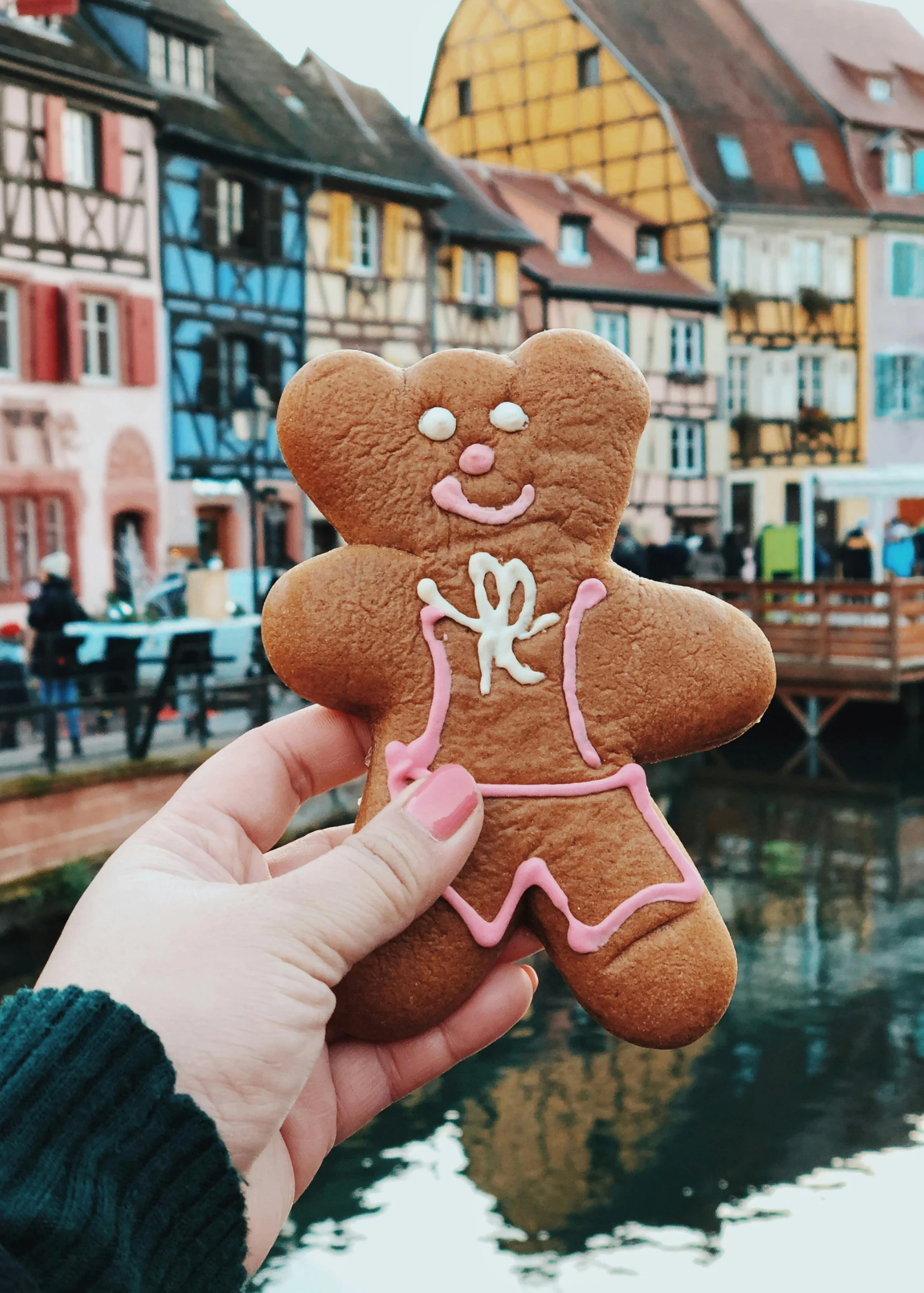
When I spotted return flights to Basel for just £52.80, I didn't spend long debating whether to book them.
At the time, I was looking for a festive solo trip and had originally been considering Strasbourg. However, flights to Basel were almost half the price, accommodation was reasonably affordable by Swiss standards, and the more I looked into it, the more it seemed like the perfect base.
What followed turned out to be one of the easiest and most enjoyable solo trips I've done.
Over three days, I visited Switzerland and France, explored two of Europe's most famous Christmas market destinations, travelled entirely by public transport and never once had to change hotels.
If you're looking for a festive winter city break that's easy to replicate, here's exactly how I did it.
This article contains affiliate links. If you choose to book through them, Build a Break may earn a small commission at no extra cost to you. Thank you for supporting the site.
I've completed specialist Swiss public transport training and regularly update my knowledge with the Swiss Tourist Board, alongside exploring Switzerland myself.
If I'm honest, I didn't choose Basel because it was high on my bucket list.
I chose it because of its proximity to Colmar - somewhere I've always wanted to visit.
The flights were significantly cheaper than Strasbourg and there seemed to be far more availability.
What I hadn't appreciated at the time was just how good a base Basel would be.
Within easy reach are destinations in three different countries, including Strasbourg, Colmar, Freiburg and numerous Swiss cities.
Rather than having to repack and move hotels every night, I could stay in one place and use Basel as a base for day trips.
As a solo traveller, that sounded far more appealing.
I've also written a separate guide on using Basel as a base for Switzerland, France and Germany, which goes into more detail on why the city works so well for this kind of trip.
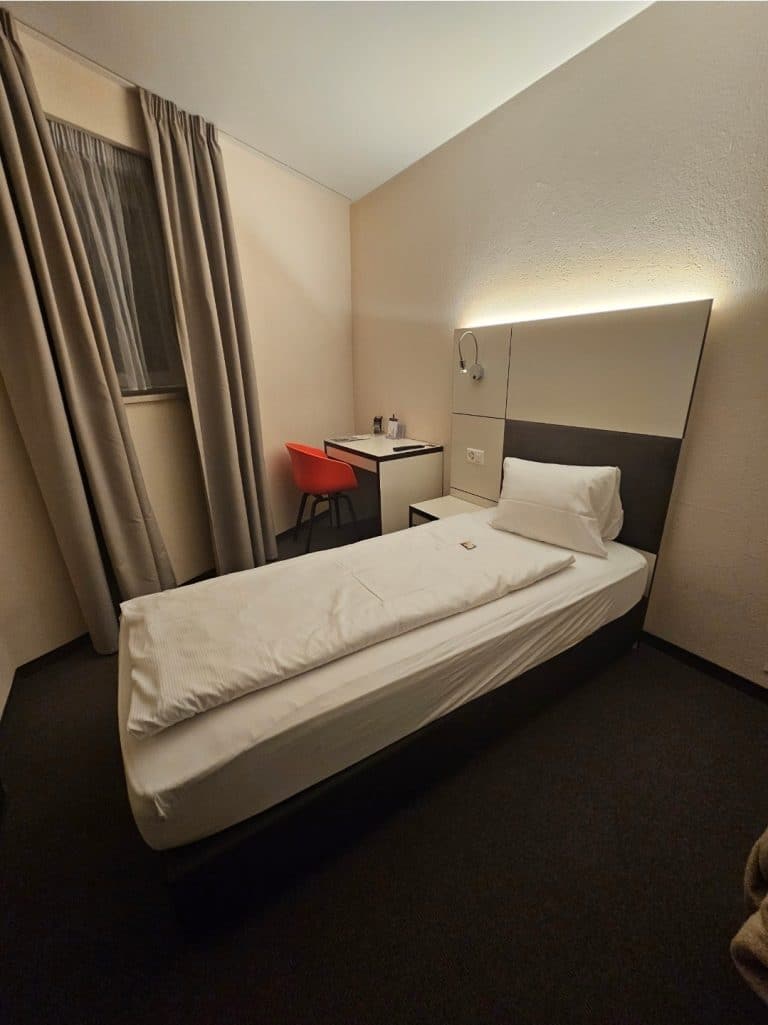
For this trip, I booked Bsmart Motel Basel, located directly opposite Basel SBB station.
The hotel wasn't luxurious and I knew that when I booked it.
I had originally reserved a room at a higher class of hotel, but then cancelled as I wanted to be closer to the train station as possible.
At around £95 per night, it was one of the more affordable options I found and I knew I'd be spending very little time in the room anyway.
What I wanted was convenience.
This trip didn't quite start as planned.
My flight was delayed and by the time I landed, collected my luggage and made my way through the airport, it was approaching midnight.
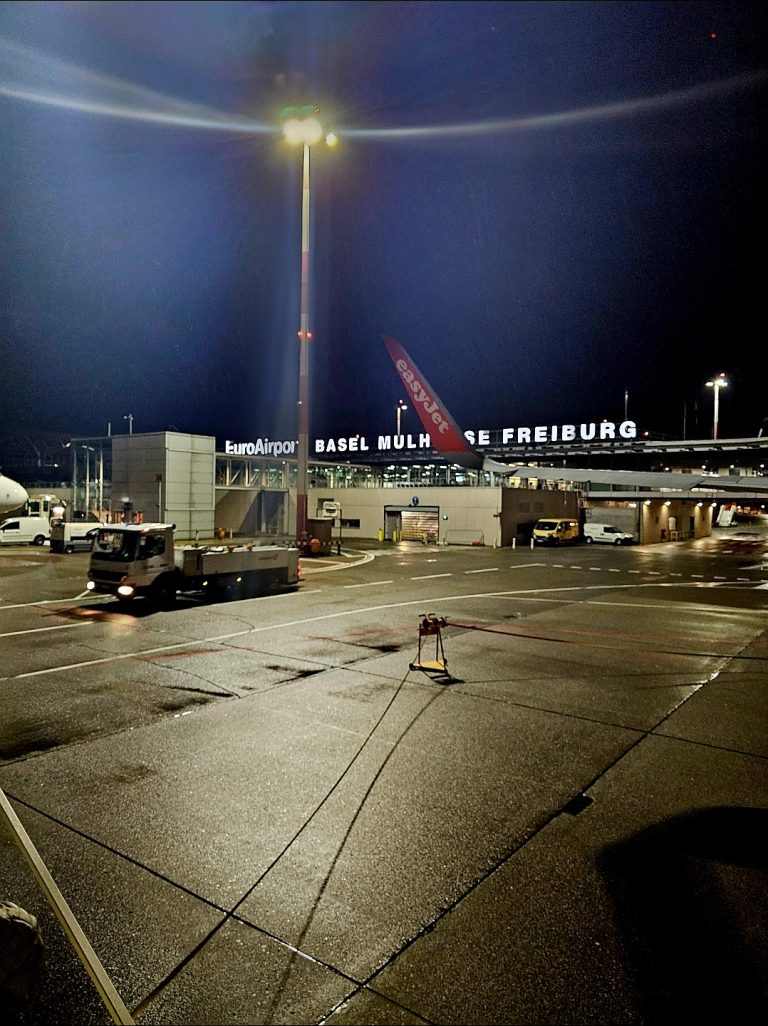
Thankfully, Basel Airport turned out to be one of the easiest airports I've ever used.
It's also one of the most unusual.
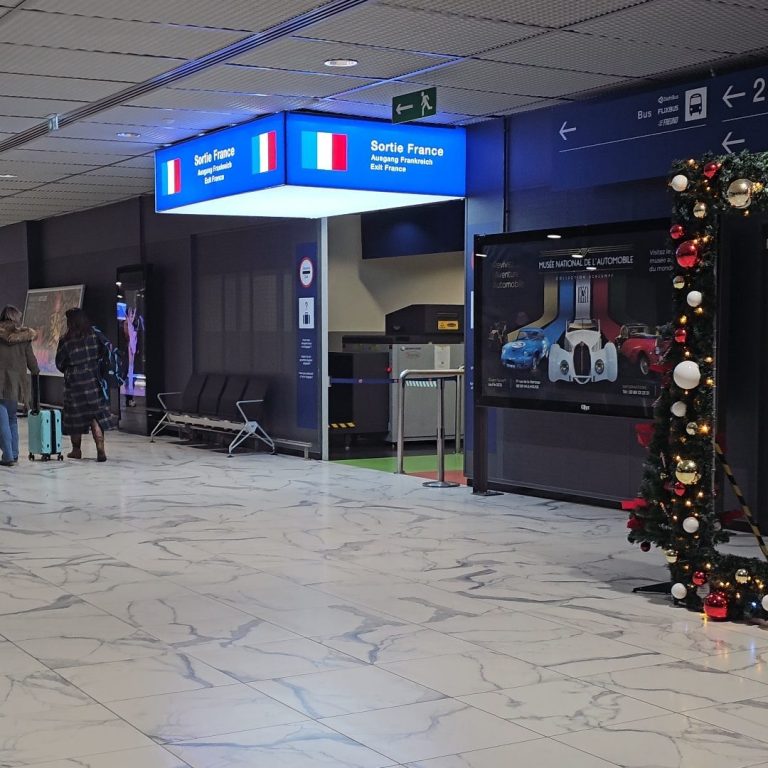
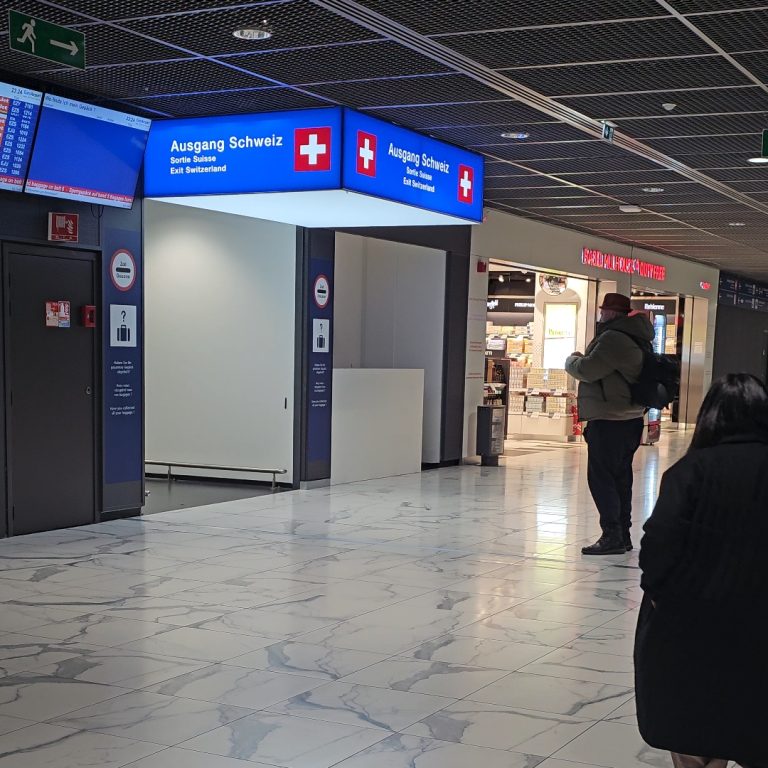
Basel Airport serves both Switzerland and France, and when you leave arrivals you actually have a choice. One exit takes you into Switzerland, whilst the other takes you into France.
If you're heading into Basel city centre, make sure you follow the signs for Switzerland.
It sounds obvious, but it's surprisingly easy to walk through the wrong exit if you're not paying attention. If you do, you'll quickly discover it's quite a long detour back to where you need to be.
Outside the terminal, I found Bus 50, which runs directly between EuroAirport Basel and Basel SBB station.
One thing I noticed immediately was how well organised everything felt. The buses seemed to work around arriving and departing flights, so despite the late arrival there was very little waiting around.
The journey takes around 20 minutes and drops you directly outside Basel SBB station.
When I checked into my hotel, I received a Basel Card, which included free public transport throughout my stay. This meant my airport transfer didn't cost me anything.
After stepping off the bus, I simply crossed the road and walked into my hotel.
At close to midnight, after a delayed flight, that felt like one of the best decisions I'd made all year.
The hotel was self check in, so arriving late was no problem.
The following morning, I headed across the road to Basel SBB station ready for my day trip to Strasbourg.
Originally, I'd planned to pre-book my train ticket.
However, because my flight had arrived so late, I decided to keep things flexible and buy it on the day instead.
That turned out to be slightly more eventful than expected.
I initially planned to catch a train at around 9am, but when I arrived at the station, the ticket machines were displaying messages directing passengers to the ticket counter.
The next departure was leaving in around 15 minutes and the queue at the SBB ticket office was enormous.
I didn't even attempt it.
Instead, I booked a ticket for the next train, departing at around 10:30am.
Whilst waiting, I spent some time watching social media videos about travelling between Basel and Strasbourg and also spoke to staff at the station. The consistent message was that the trains during Christmas market season could be extremely busy.
The direct journey takes around 1 hour 15 minutes.
That's not particularly long, but it's definitely long enough that you don't want to spend the entire journey standing.
For that reason, I decided to pay a little extra and purchase a first-class ticket for €44.
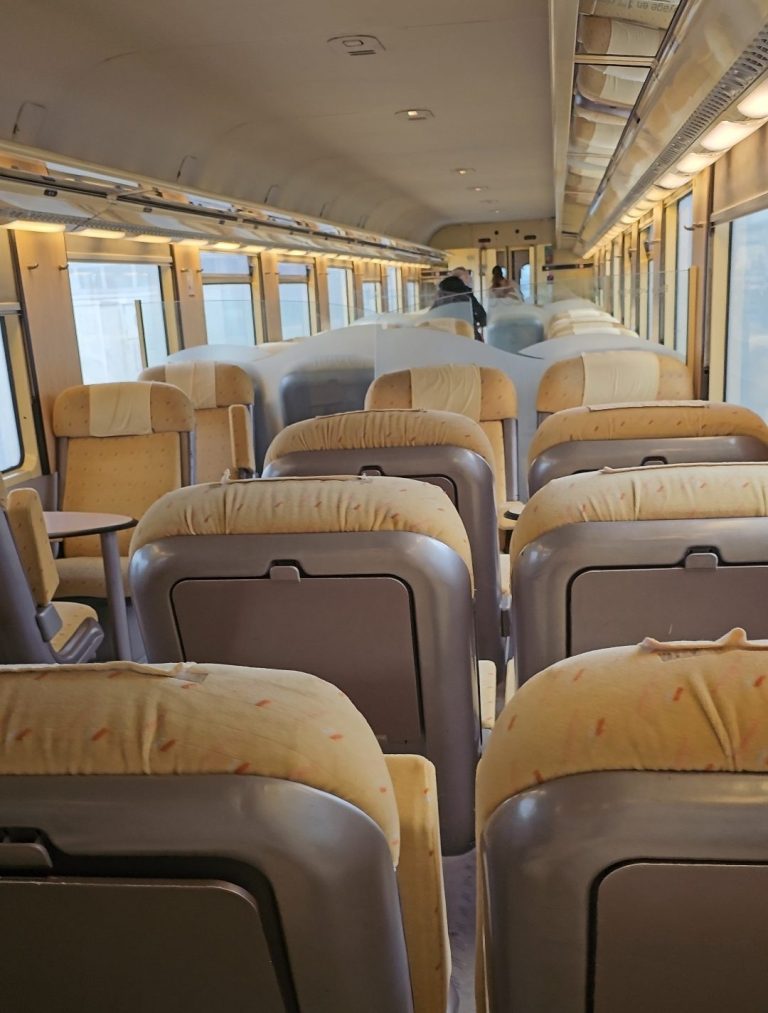
It's worth noting that first class doesn't guarantee you a seat. However, it gives you access to a quieter carriage and a much better chance of finding one.
I arrived on the platform around half an hour before departure and managed to secure a very comfortable plush seat.
Looking through to second class once the train departed, I knew I'd made the right decision.
Many passengers were standing and the carriages were packed.
For me, the extra €10 or so was money well spent.
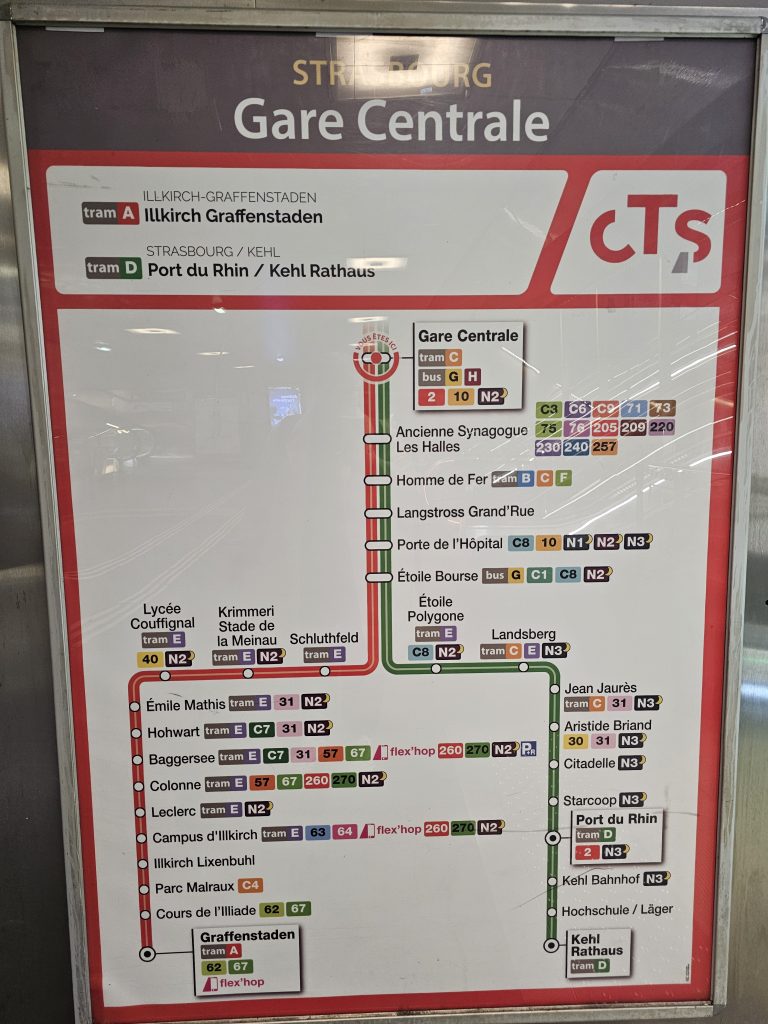
Once I arrived at Strasbourg Central Station, getting into the city centre couldn't have been easier.
The tram station is located directly underneath the main station building.
Simply follow the signs and take the escalator downstairs.
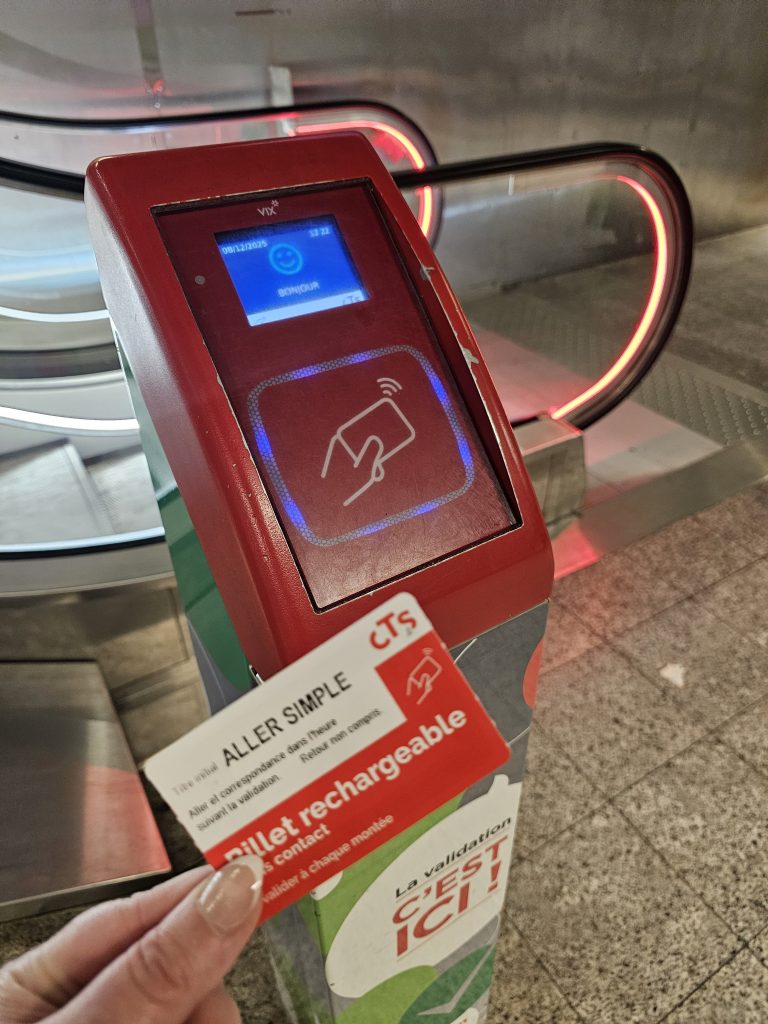
Tickets can be purchased from the machines on the platform using cash or card, and you don't need to select a destination for a standard single ticket.
One thing to remember is that you must validate your ticket before boarding.
I took the tram to Porte de l'Hôpital, which took around seven minutes and dropped me within easy walking distance of Strasbourg Cathedral and several of the main Christmas markets.
For less than £2, it was by far the easiest way to reach the heart of the festivities.
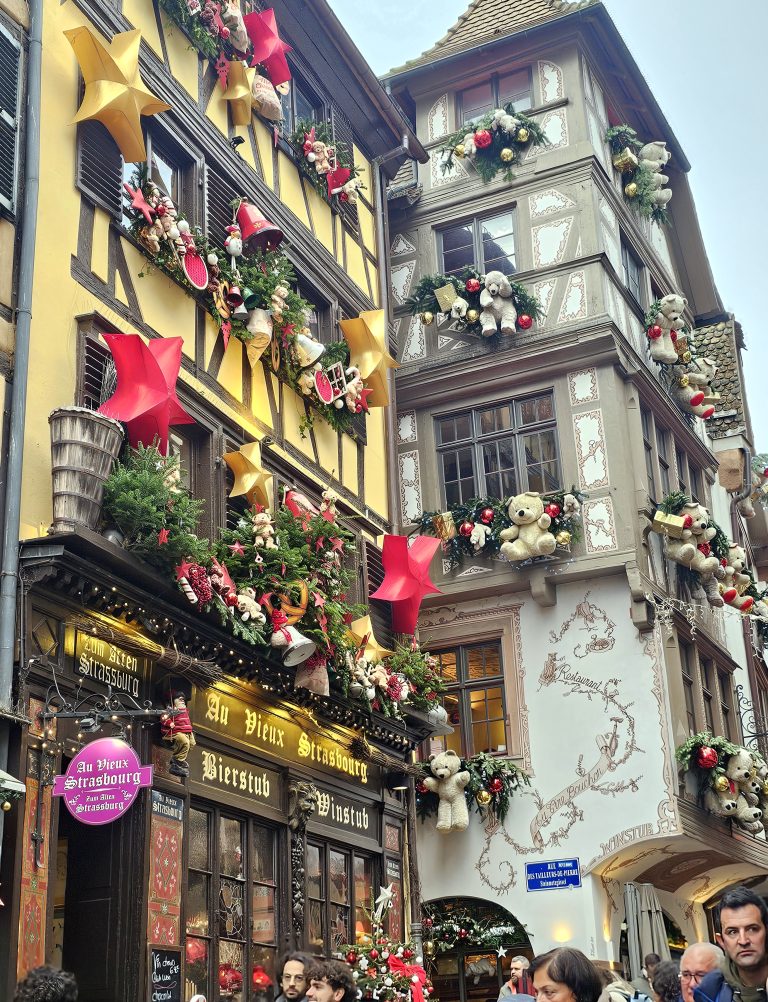
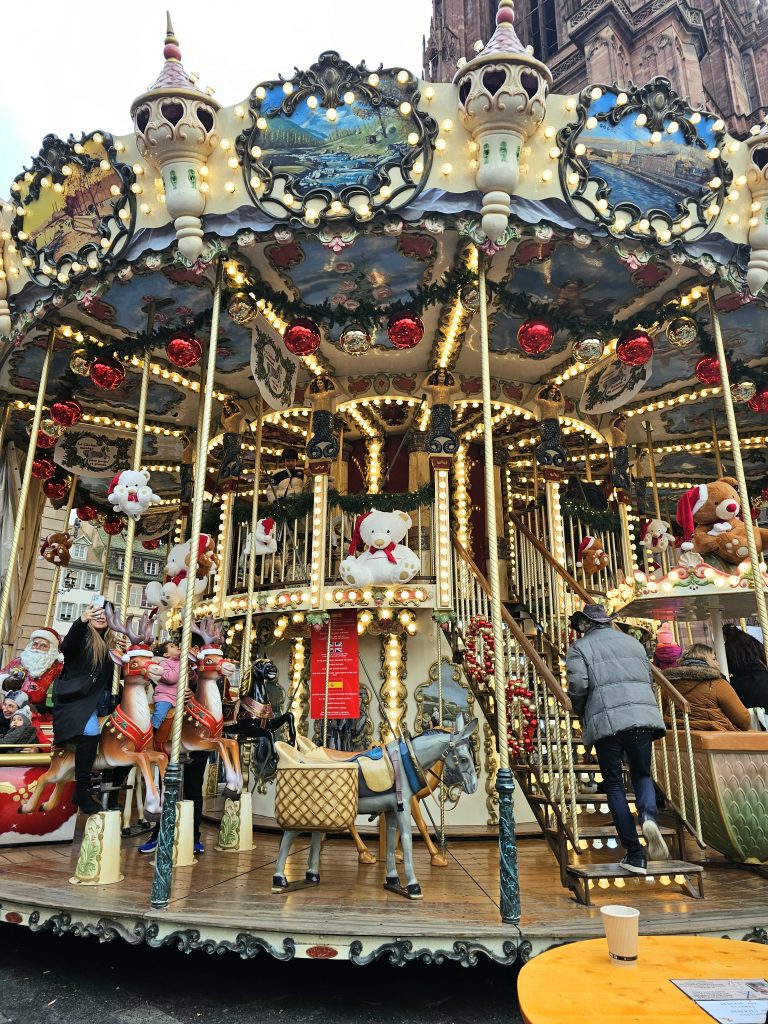
Strasbourg was impressive from the moment I arrived.
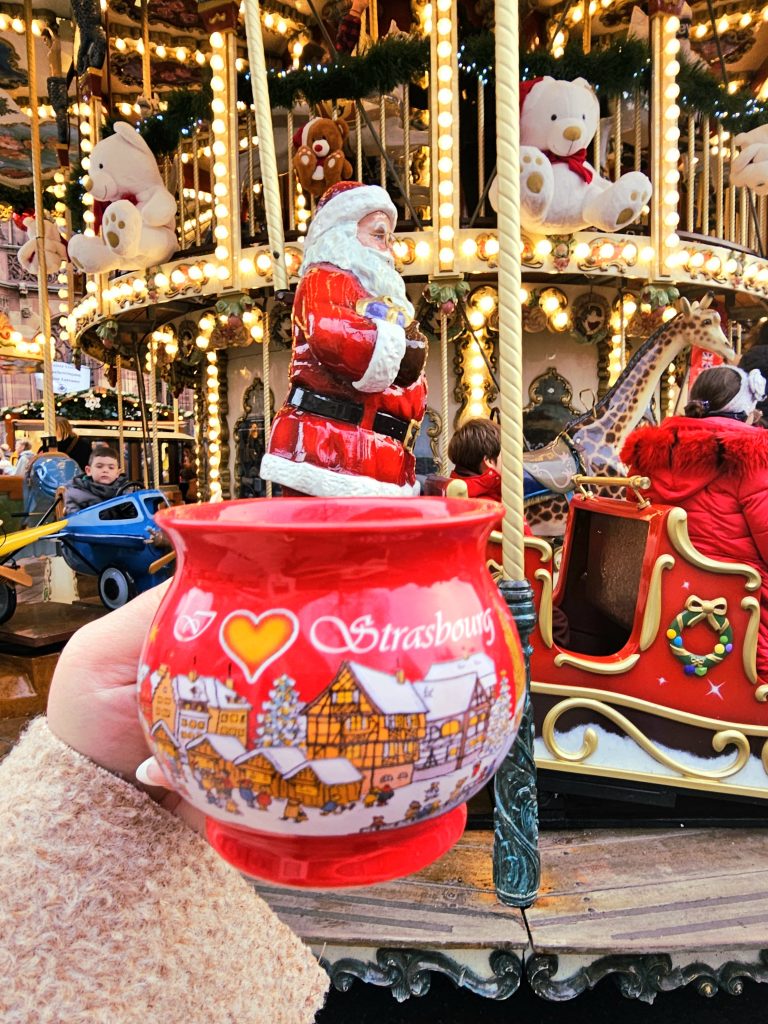
The city proudly calls itself the Capital of Christmas, and it's easy to understand why.
There are around 300 wooden chalets spread throughout the city centre, alongside festive decorations, giant Christmas trees and Christmas displays around almost every corner.
The whole city feels festive rather than just a handful of market squares.
Of all the places I wanted to see, Teddy Street was at the top of my list.
Located on Rue des Orfèvres, the narrow street is decorated with giant teddy bears hanging from the buildings above.
I'd seen photos online countless times and it was one of the main reasons I wanted to visit Strasbourg in the first place.
Thankfully, it completely lived up to expectations.
I also loved the atmosphere around Strasbourg Cathedral and the enormous Christmas tree in Place Kléber.
There is no denying that Strasbourg has scale.
I've written a full Strasbourg Christmas Markets Guide with the 2026 dates, opening times, map, Teddy Street location and all the main market areas if you want to plan this part of the trip in more detail.
If you're looking for the biggest Christmas market destination in France, this is probably it.
And yet, despite how much I enjoyed Strasbourg, it wasn't my favourite stop of the trip.
The return journey from Strasbourg back to Basel was considerably quieter.
This time I simply purchased a second-class ticket for around CHF29 and had no difficulty finding a seat.
The following morning, I headed to Colmar.
Getting there couldn't have been easier.
Once you arrive at Colmar station, the Christmas markets are around a 10-minute walk away and the route is very well signposted. Even if you've never visited before, it's difficult to get lost.
I think Colmar was the destination I was most excited about before the trip.
The photos had looked beautiful, but I wasn't entirely convinced it could possibly live up to the hype.
It did. In fact, it exceeded it.
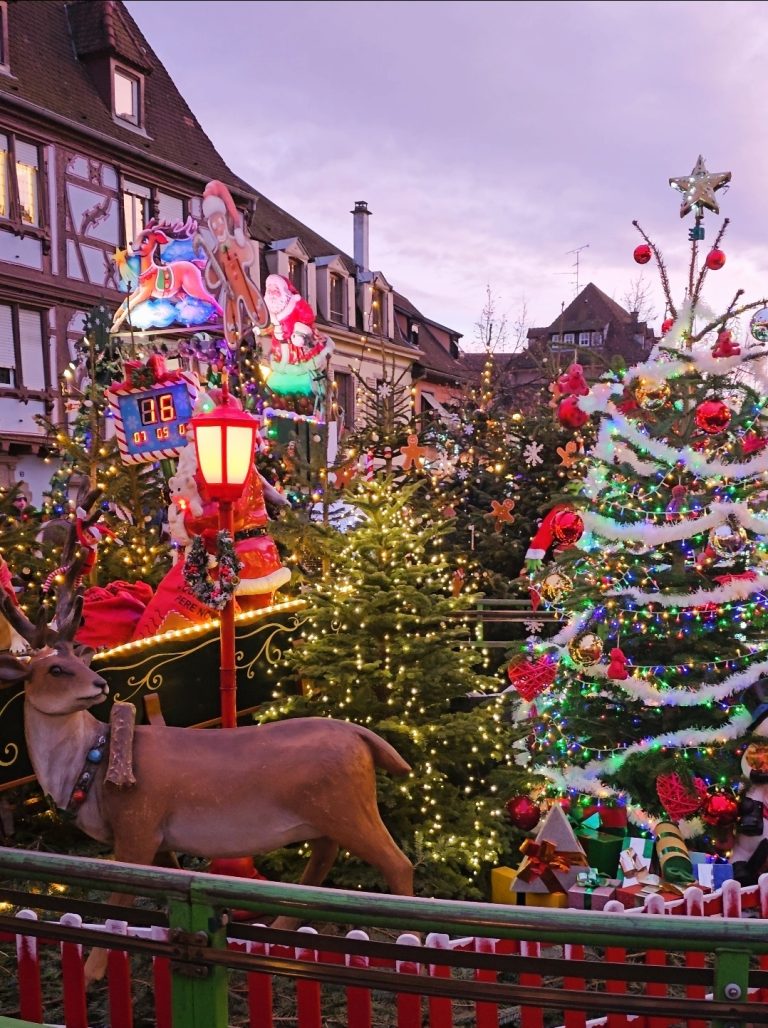
One thing I immediately noticed was how different it felt compared to Strasbourg.
Rather than being concentrated around a handful of main squares, Colmar's six Christmas markets are spread throughout the old town. They're all within easy walking distance of each other, but exploring them feels much more like wandering through a Christmas village than visiting a traditional market.
The colourful timber-framed houses, canals, Christmas lights and smaller market squares felt genuinely magical. At times it looked like a Christmas film set.
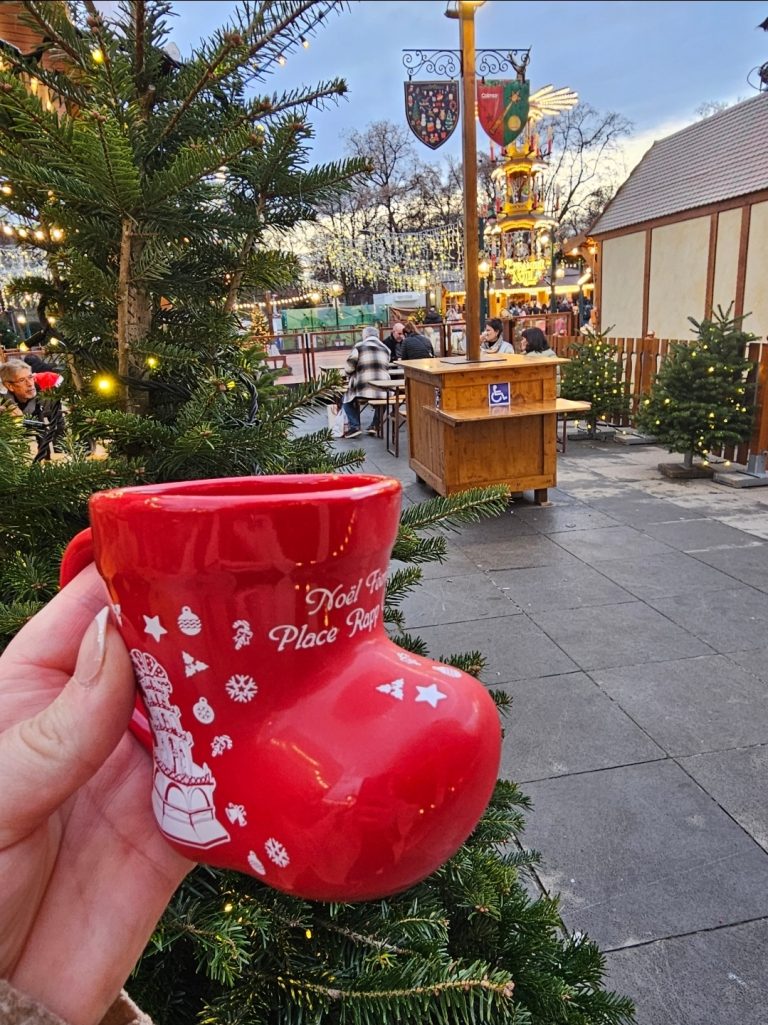
One of the first places I explored was Place Rapp, home to the giant COLMAR letters, festive displays and the wonderfully quirky Carrousel Bar.
Yes, it's exactly what it sounds like. A slowly rotating carousel that serves drinks. After a few I can imagine you'd need to get off.
Completely unnecessary and therefore completely brilliant.
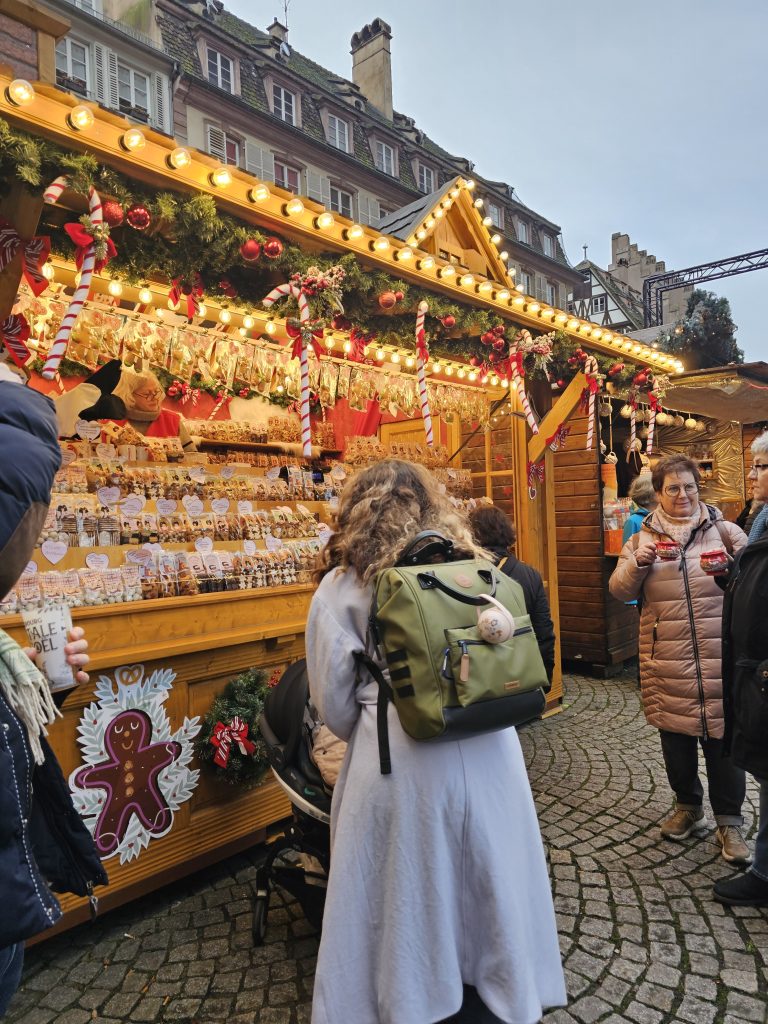
It was also where I bought one of Colmar's famous boot-shaped mugs.
My white wine and souvenir mug cost €11.50, whilst the mug alone was selling for €7.
If you collect Christmas market mugs, this is definitely one to add to the collection.
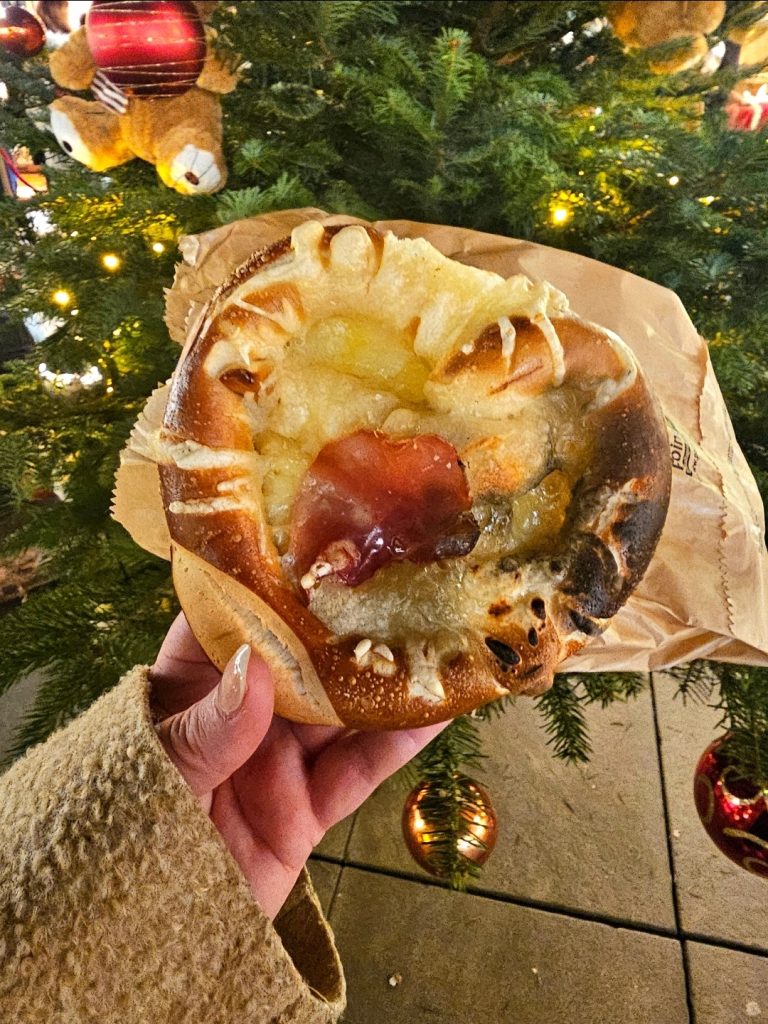
Food-wise, I couldn't resist trying one of the warm Alsatian Bretzels, which cost €4.50 and was probably one of the best snacks I had during the entire trip.
You can read my full Colmar Christmas Markets Guide for the 2026 dates, map, food prices, best times to visit and everything I learned from spending the day there.
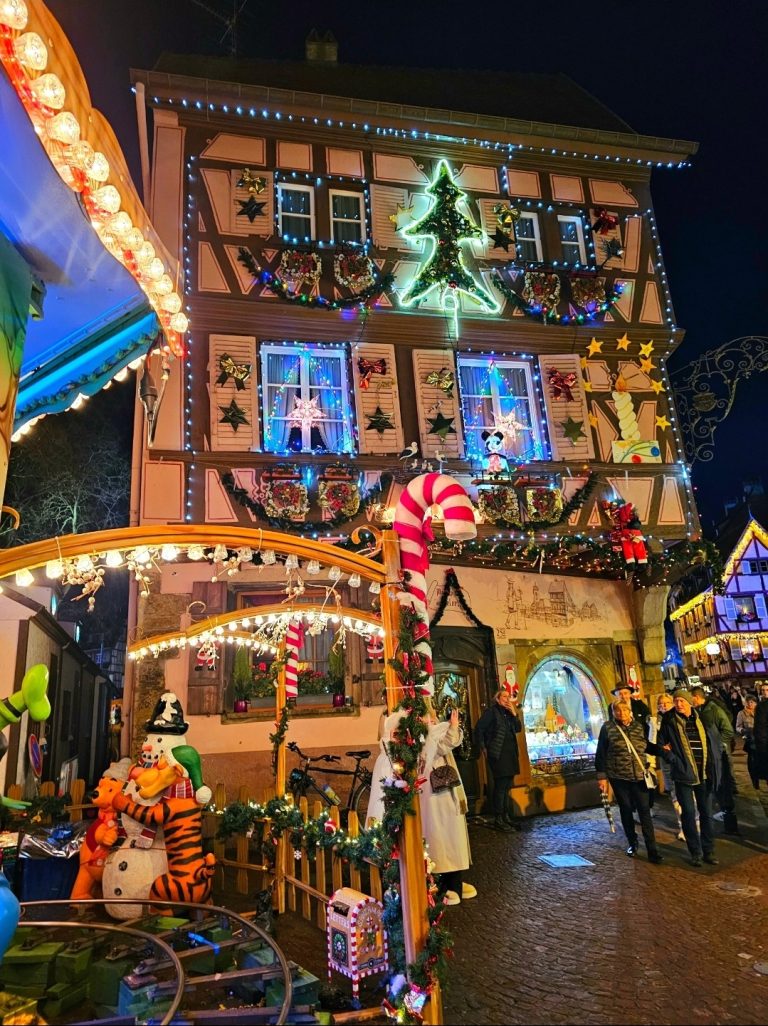
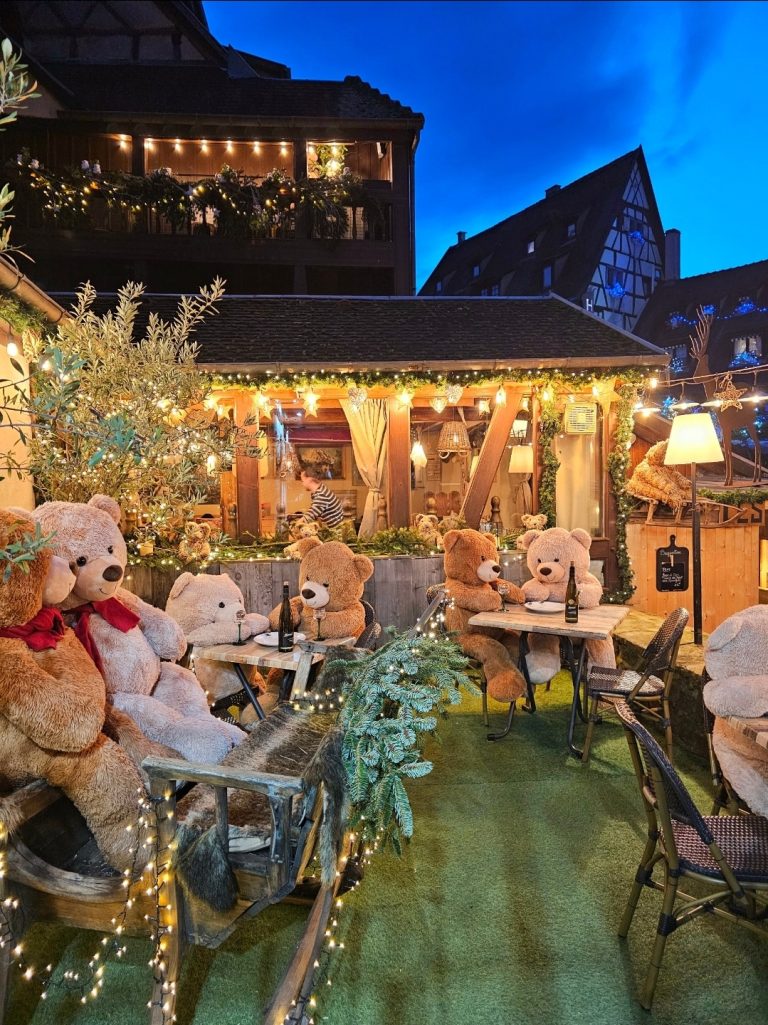
If I'm honest, Colmar won.
I know that won't be everyone's opinion.
Strasbourg undoubtedly has more stalls, more markets and more Christmas shopping opportunities.
But I don't really visit Christmas markets to shop.
For me, it's all about atmosphere.
And Colmar had that in abundance.
The downside is that everyone else seems to have discovered it too.
By around 6pm, the town became incredibly busy and there were times when it felt difficult to move through some of the narrower streets.
Even so, I preferred it.
If I return to the Alsace region, I'd happily visit Colmar again.
In fact, I'd probably spend less time in Strasbourg and instead visit some of the nearby villages.
Riquewihr and Eguisheim are both high on my list after hearing so many good things about them during the trip.
I thoroughly enjoyed Strasbourg and I'm glad I visited, but if you're asking which destination captured the Christmas spirit best, Colmar wins hands down.
Return flights to Basel: £52.80
Bsmart Motel Basel (2 nights): £190
Basel Airport to Basel city centre: Free with Basel Card
Basel to Strasbourg: £38 first class
Strasbourg to Basel: £27 second class
Basel to Colmar Return: £32
Strasbourg trams: £4
Yes, completely.
As a woman travelling alone, safety is always something I think about before booking a trip, particularly when I'm visiting somewhere for the first time.
Throughout this trip, I never once felt uncomfortable or unsafe.
Basel felt clean, organised and easy to navigate, even when I arrived close to midnight after my delayed flight. The journey from the airport to the city centre was straightforward, public transport felt safe and well used, and I was never worried about travelling back to my hotel alone in the evenings.
The same was true in both Strasbourg and Colmar. The Christmas markets were busy, but well organised, with plenty of security, police presence and other visitors around.
The only thing I would be mindful of is pickpocketing, particularly on busy trains and in crowded market areas. That's fairly standard advice for any popular European city and not something unique to this trip.
One of the things I enjoyed most was how easy it was to navigate everything independently. Between the trains, trams, buses and clear signage, I never felt out of my depth or worried about getting around.
If you're considering a similar itinerary but feeling nervous about travelling solo, I'd have no hesitation recommending it. I found it to be one of the easiest and most comfortable solo trips I've done in Europe.
I've also written more generally about whether Switzerland is safe for solo female travellers, including my experiences using Swiss trains, staying in hostels and travelling around the country alone.
Before this trip, I'd never really considered Basel as a destination in its own right. I booked it because it was the cheapest airport option.
What I discovered was one of the easiest city-break bases I've used anywhere in Europe.
Within a couple of days I'd explored Switzerland and France, visited two of Europe's most famous Christmas market destinations and never once had to change hotels.
The transport was simple, the airport transfers were effortless and everything felt incredibly easy to navigate as a solo traveller.
Most importantly, it reminded me that some of the best trips aren't always the ones you spend months planning.
Sometimes they're the ones you book because a £52 flight pops up and you think, "Why not?"
For me, Colmar was the standout destination, but the real surprise was Basel itself. What started as the cheapest airport quickly became one of the most useful travel bases I've discovered in Europe.
In fact, I'll be returning to Basel again this December. This time, instead of heading into France, I'll be using it as a gateway to explore more of Switzerland, including Lucerne and other destinations I've yet to visit.
If you're planning a longer solo trip around Switzerland, you may also find my solo Switzerland itinerary covering Montreux, Interlaken and Grindelwald useful.
I'm also hoping to revisit more of Switzerland at Christmas, after previously visiting the Montreux Christmas Market, which remains one of my favourite festive settings in Switzerland.
I originally booked Basel because it was the cheapest option. I'm going back because it turned out to be far better than I expected.







Copyright © Build a Break | Website by Furness Media