
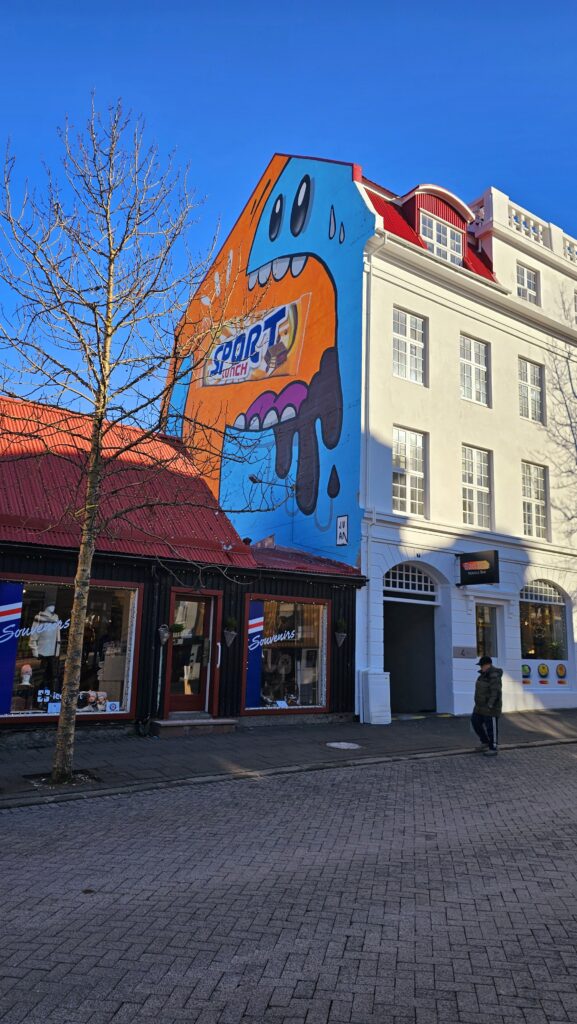
Wondering how to visit Iceland on a budget? Iceland has a reputation for being one of the most expensive countries in Europe, and after visiting twice, I can certainly understand why. Eating out, drinking alcohol and travelling between attractions can cost considerably more than you might expect, particularly if you're comparing prices with the UK.
However, I also think Iceland is one of those destinations where a little careful planning can make a huge difference to the overall cost of your trip.
We've now visited Iceland twice, once on an Extreme Day Trip from Manchester in March 2025 and again for an overnight break in November 2026. On both occasions, we booked everything independently and managed to keep several of the main expenses surprisingly reasonable.
Our first return flights cost just £58 per person, while our November weekend flights were £85 return. During our second trip, we also found a fantastic pod hotel in central Reykjavík costing £56.50 each for the night, complete with comfortable beds, immaculate bathrooms, an excellent communal lounge and even a rooftop hot tub.
However, one thing I should explain from the beginning is that we're not travellers who automatically choose the cheapest option for everything.
We usually try to save money on flights, luggage and everyday expenses, while choosing accommodation that's clean, comfortable and offers good facilities. When it comes to activities, we're often quite happy to spend more, particularly if it's something special that we've travelled a long way to experience.
We've paid for Premium admission at both Blue Lagoon and Sky Lagoon, enjoyed a three-hour whale-watching trip and still found ways to keep the overall cost of visiting Iceland manageable.
Of course, there are cheaper ways to experience Iceland than we chose, particularly if you're happy to visit local geothermal pools, explore independently or concentrate on free attractions.
In this guide, I'll share 17 practical ways to save money in Iceland, including finding cheap flights from the UK, choosing affordable accommodation, reducing food and transport costs and deciding which experiences are actually worth paying for.
This guide is based on our own Iceland trips in March 2025 and November 2026, alongside researched advice for other destinations and activities in Iceland. Some links are affiliate links, which means Build a Break may earn a small commission at no additional cost to you. Prices mentioned are examples from our trips or research and may change.
Can You Really Visit Iceland on a Budget?
Yes, but I think it's important to be realistic about what that actually means.
Iceland isn't suddenly going to become a cheap country because you've found inexpensive flights. Restaurant meals, drinks, airport transfers and many organised excursions are still relatively expensive compared with other European destinations.
However, you have much more control over some expenses than others.
You can choose when you travel, which airport you fly from, whether you pay for extra luggage, what type of accommodation you book and how often you eat at restaurants.
You can also choose whether to spend your money on premium experiences or take advantage of some of Iceland's free attractions and more affordable alternatives.
Personally, I'd rather save money on the things that don't make much difference to my enjoyment, then put that money towards the experiences I've travelled to Iceland for.
Our 17 Best Ways to Save Money in Iceland
1. Visit Iceland Outside the Peak Summer Season
One of the easiest ways to reduce the cost of visiting Iceland is to be flexible about when you travel.
June, July and August are popular months because of the long daylight hours, summer wildlife and generally better conditions for exploring the countryside. However, accommodation, flights and car hire can be more expensive during this period.
If your main priorities are Reykjavík, geothermal lagoons, whale watching or a short break, I'd definitely recommend comparing dates outside the main summer season.
For flights from the UK, I've found that October through to March can offer some particularly good fares, provided you're avoiding school holidays and other busy periods.
April, May and September can also be worth looking at, particularly for travellers who want more daylight without necessarily paying peak July or August prices.
We've travelled to Iceland in both March and November and enjoyed completely different weather conditions. In March, we had a clear, frosty day with snow still lying on the ground, while November brought heavy rain and wind on our first day, followed by beautiful clear skies at Blue Lagoon the following morning.
Neither trip involved the long days of summer, but that didn't stop us having a fantastic time.
I'd avoid choosing a date based solely on the cheapest flight, though. Think about how much daylight you'll have, the experiences you want to book and whether the weather might affect your plans.
Our Best Time to Visit Iceland guide compares every month, including Northern Lights, whale watching, puffins, road trips and the times of year when prices may be lower.
2. Find Cheap Flights to Iceland from the UK
Flights are one of the areas where we've managed to make some of the biggest savings.
For our March 2025 Extreme Day Trip, we paid £58 per person for return flights from Manchester. When we returned in November 2026, our weekend flights were £85 return.
Considering we were travelling to Iceland, I thought both fares were excellent value.
I've also been researching winter flights from the UK for future departures, and there were some surprisingly cheap options available when I checked in November 2026.
| Departure Month | Example Return Fare Found |
|---|---|
| December 2026 | From £50 |
| January 2027 | From £42 |
| February 2027 | From £44 |
| March 2027 | From £50 |
These are examples of fares I found while researching in November 2026, not guaranteed prices or a live flight search. They may involve particular UK airports, days and basic luggage allowances.
Flights later in the year were often showing closer to £100–£120 return when I looked, although that doesn't mean those prices won't fall nearer the departure date.
In my experience of finding European flight deals, some of the best prices can appear around six to eight weeks before travel, but it isn't a guaranteed booking window. I'd start watching fares earlier and book when I find a price I'm happy with.
If you're flexible, compare different UK airports, midweek and weekend departures, and dates either side of school holidays. Sometimes changing the trip by just a day or two can make a noticeable difference.
I also wouldn't automatically rule out an Extreme Day Trip. If you can find an early morning flight to Iceland and a late flight home, it's possible to enjoy Reykjavík and an activity without paying for overnight accommodation.
That's exactly what we did on our first visit, when we flew from Manchester, explored Reykjavík, enjoyed Sky Lagoon and returned home that evening.
We've shared our flight timings and itinerary in our Iceland Extreme Day Trip from Manchester guide.
3. Save on Luggage by Travelling with an Underseat Bag
One thing I almost always try to avoid when booking budget flights is paying extra for luggage that we don't really need.
For short European trips, including Iceland, we prefer travelling with an underseat bag wherever possible.
Of course, packing for Iceland in winter takes a little more thought than packing for somewhere warm, particularly because you'll need waterproof clothing, sturdy footwear and several layers.
However, I've found that you can fit a surprising amount into a small bag if you're careful about what you take.
My Tips for Packing More into an Underseat Bag
I'd start by using a vacuum or compression bag to reduce the space taken up by clothing. This can make a big difference when packing thermals, jumpers and other soft items, although the finished bag still needs to fit your airline's size and weight allowance.
I also travel wearing my sturdiest shoes rather than packing them, because footwear can take up a huge amount of room.
I'll normally wear or carry my winter jacket too, keeping my gloves and hat in the pockets. I often tie my scarf, earmuffs and hair clip onto the handle of my bag, which helps keep those smaller items together, although they still need to comply with the airline's hand luggage rules.
Iceland isn't somewhere I feel the need to pack lots of dressy outfits, particularly during winter. I'd much rather take comfortable layers, good socks and clothing that can be worn more than once.
For our November trip, we only really needed a pair of lightweight indoor shoes as a second pair, because we travelled wearing our sturdy outdoor footwear.
Check What Your Accommodation Provides
This is another way to save a surprising amount of luggage space.
Before packing towels, hairdryers and large toiletries, I'd check what's already included at your accommodation and any spa experiences you've booked.
During our November trip, CityHub Reykjavik provided towels, robes, Rituals toiletries and a hairdryer. Blue Lagoon also included towels, toiletries and a robe with our Premium admission.
We didn't need to bring lots of extra products, and the only essential item we needed to pack for the hotel hot tub and Blue Lagoon was our swimming costume.
I'd still pack a hair tie or clip, particularly for Blue Lagoon, along with a small bag for wet swimwear afterwards.
For a complete clothing checklist, including advice about thermals, waterproofs and whale watching, read our What to Pack for Iceland in Winter guide.
4. Choose Good-Value Accommodation Rather Than the Cheapest Hotel
Accommodation is another expense where I think travelling outside the peak summer season can make a big difference.
However, I wouldn't recommend automatically booking the cheapest property you can find.
For me, there's no point saving a small amount of money on accommodation if the room isn't clean, the facilities aren't good or you end up spending more on transport because you're staying miles away from everything.
I'd rather find somewhere comfortable that offers good value for money, even if that means paying slightly more than the absolute cheapest option.
For our November trip, we booked CityHub Reykjavik through Booking.com, paying £113 for a Twin Hub for one night.
That worked out at just £56.50 each, which I thought was excellent value considering the location and facilities.
I wasn't sure what to expect from a pod-style hotel, having previously stayed in hostels, but CityHub genuinely exceeded my expectations.
The service was friendly and welcoming from the moment we arrived, the sleeping pods were comfortable and private, and the shared bathrooms were absolutely immaculate.
There were enclosed showers and toilets, good-quality toiletries, towels, robes and everything we needed to get ready comfortably.
It felt far more like a modern hotel than a traditional hostel, and the capsule-style accommodation was actually quite fun.
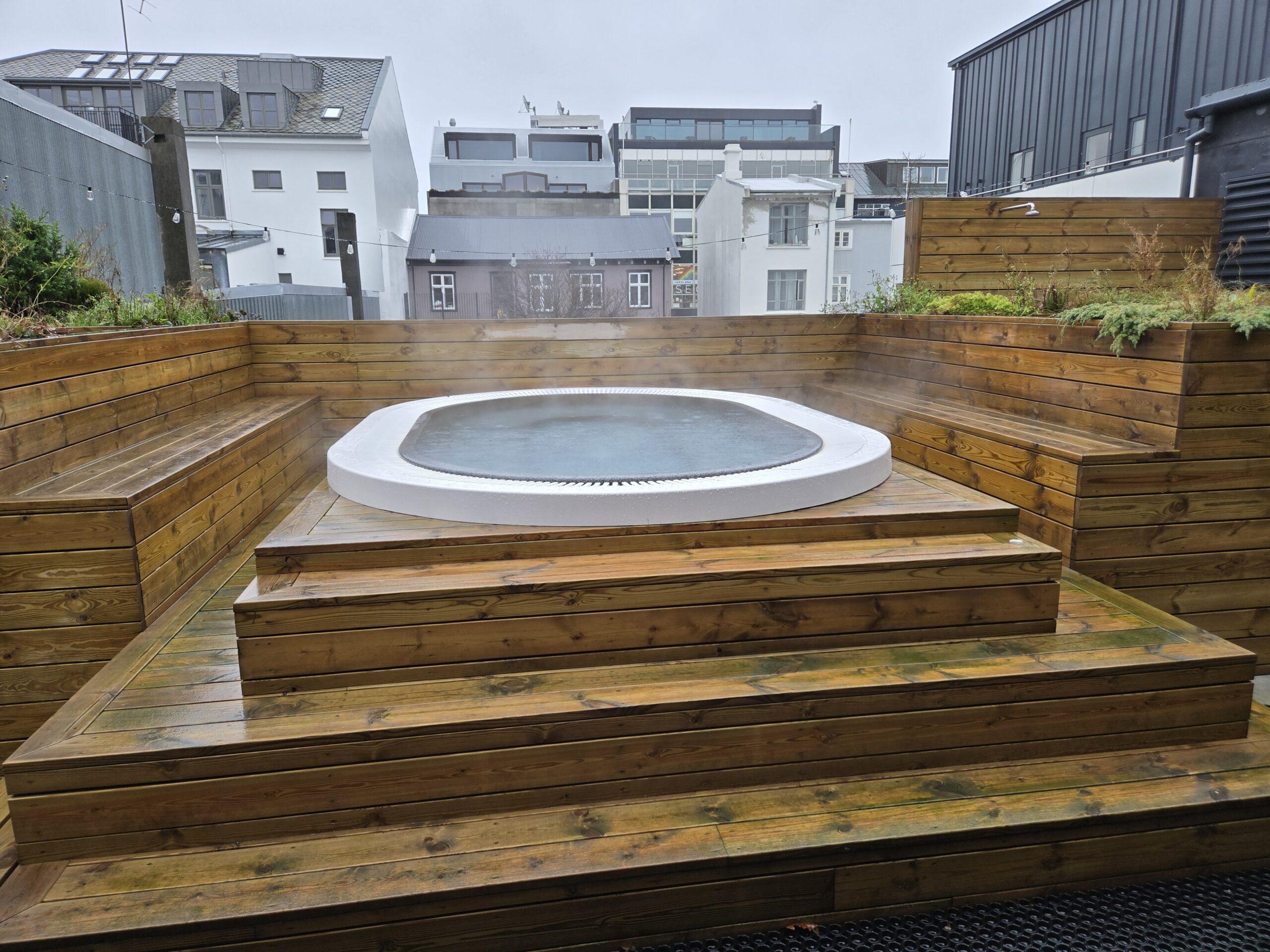
One of my favourite features was the rooftop hot tub, which was wonderfully clean and lovely to relax in after spending the afternoon whale watching in the rain.

Look for Accommodation with Useful Extras
I also really liked the communal Hangout at CityHub, where guests could relax, play board games and use the microwave, fridge, crockery and cutlery.
These facilities meant we could buy food from a local shop or order a takeaway without needing to eat in a restaurant every evening. The hotel has its own self-service bar, although it's worth checking its rules about bringing outside drinks into communal areas.
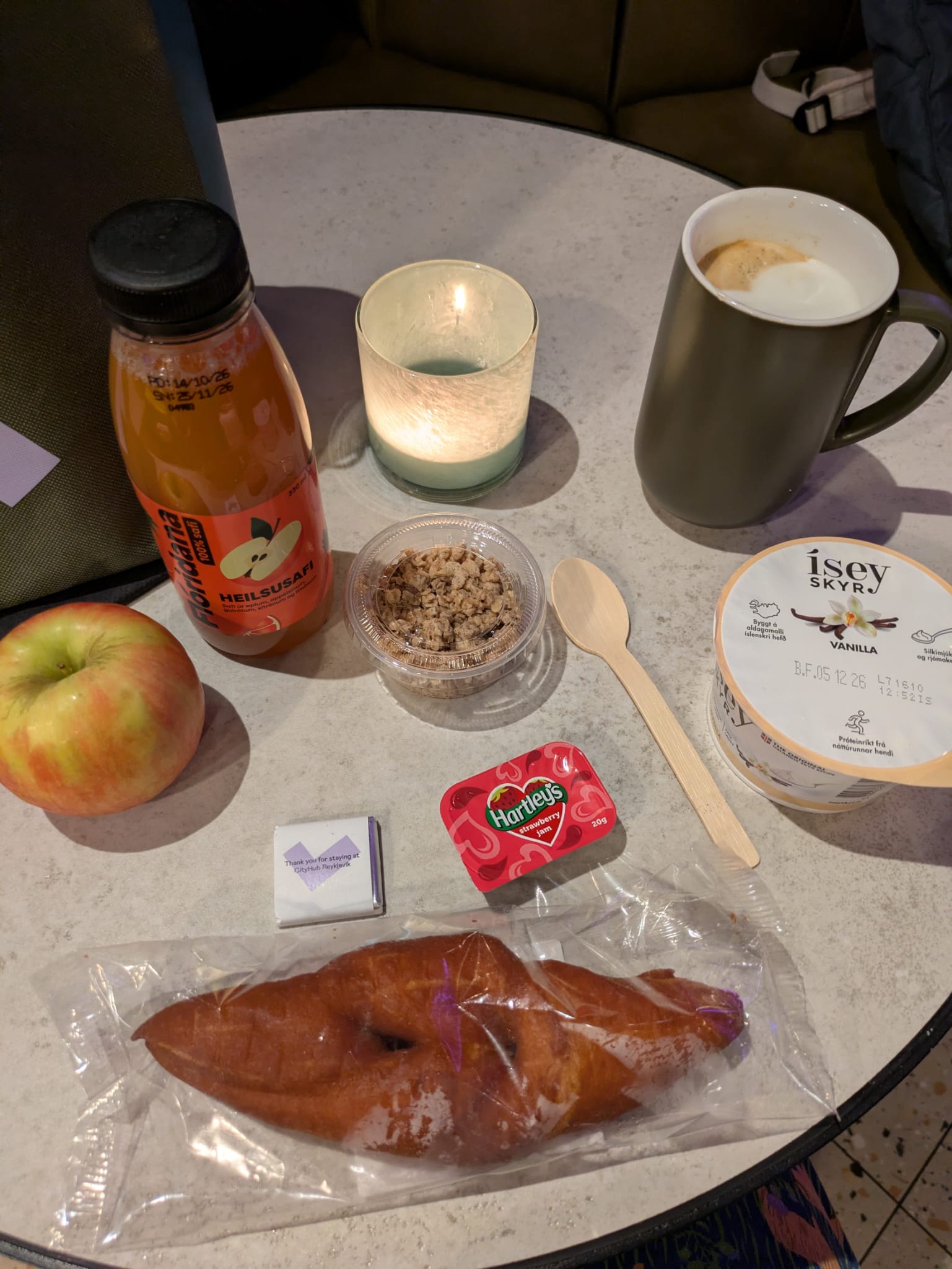
Breakfast was also included with our booking, which was another lovely extra.
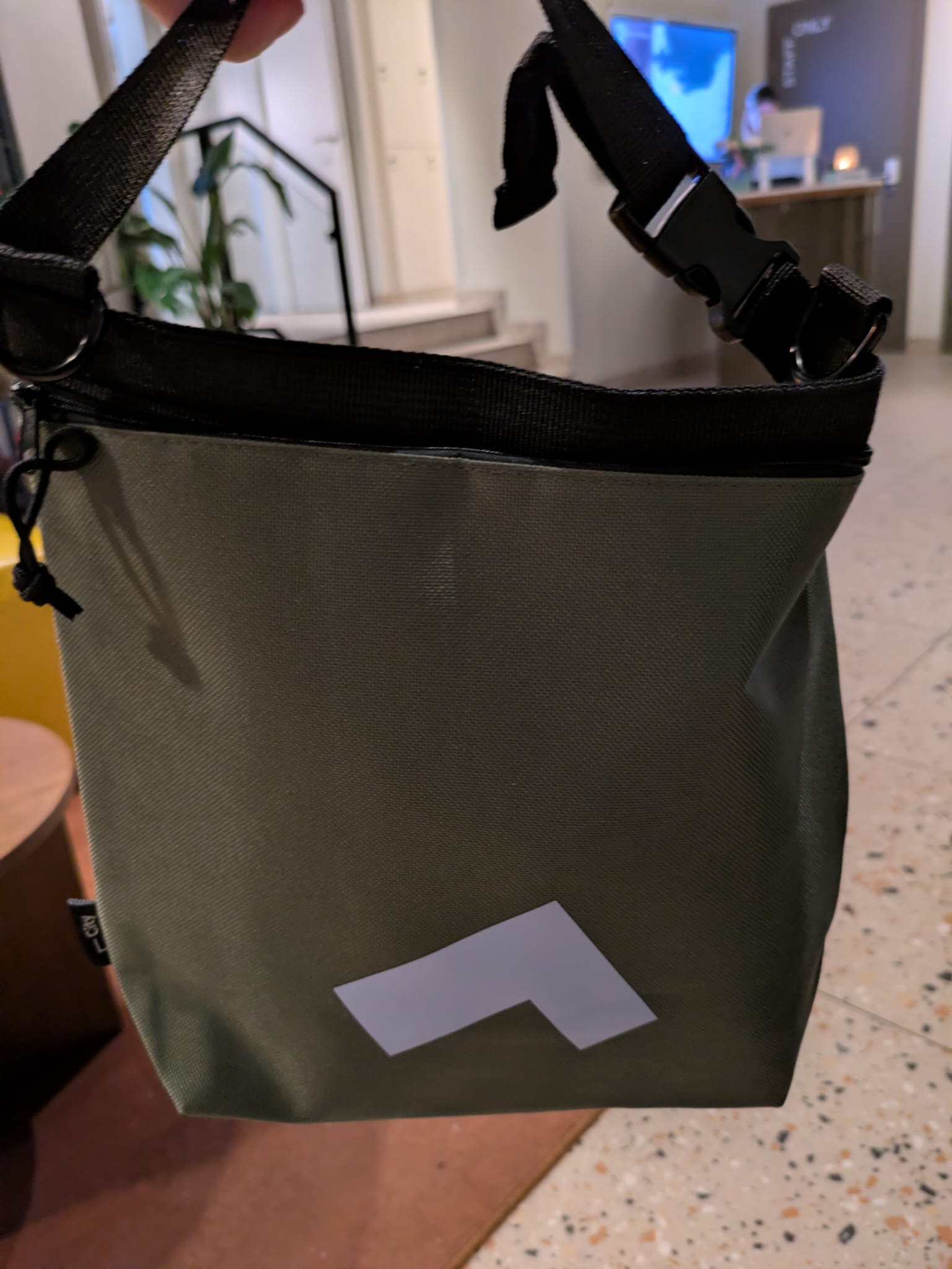
Rather than a traditional buffet, we received a grab-and-go breakfast in a reusable insulated bag, containing a pastry, yoghurt, granola, fruit, juice and a little chocolate, with a hot drink available too.
We even got to keep the insulated bag, which folds down neatly and will be handy for future trips.
I'd definitely use it again when travelling, as it's perfect for carrying snacks or lunch during a day out.
Breakfast isn't necessarily included with every CityHub booking, so I'd compare the rates and what's provided before reserving.
You can read our complete CityHub Reykjavik Review for photographs and details of the sleeping pods, bathrooms, breakfast, communal facilities and hot tub.
For more accommodation options, our Where to Stay in Reykjavik guide covers seven hotels and guesthouses, including properties with kitchen facilities that may be useful for families or longer stays.
5. Stay in Central Reykjavík to Avoid Unnecessary Transport Costs
One thing I would definitely recommend when planning a short Iceland break is looking carefully at where your accommodation is located.
Reykjavík is a relatively compact city, and many of the main attractions are within walking distance of one another.
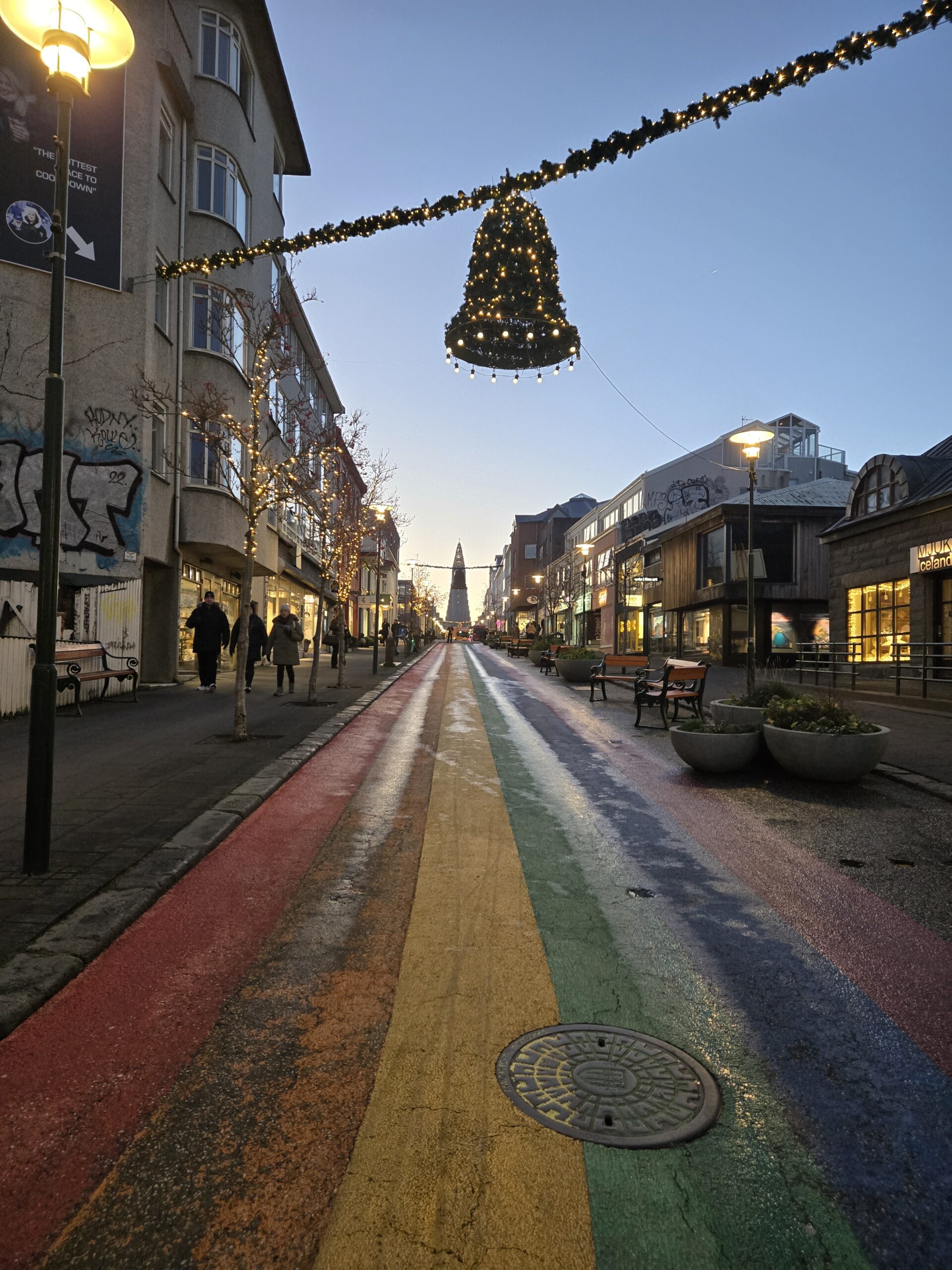
During our November trip, staying centrally meant we could walk to Rainbow Street, Hallgrímskirkja, restaurants and the Old Harbour without needing a taxi.
Our Blue Lagoon coach pick-up was also only a few minutes from the hotel.
I think this is particularly useful for anyone visiting Iceland for just one or two nights, when you don't want to spend valuable time travelling backwards and forwards.
However, remember that central Reykjavík has designated tour bus stops, so I'd check the nearest pick-up location before booking accommodation.
A hotel that looks slightly cheaper but is a long way from your activities may not actually save you money once taxis or additional transfers are included.
6. Use Airport Buses Instead of Taxis
Airport transfers are one of those expenses that can catch people out when planning a budget trip to Iceland.
Keflavík International Airport is approximately 50 kilometres from Reykjavík, so you can't simply walk into the city or expect a cheap five-minute taxi journey.
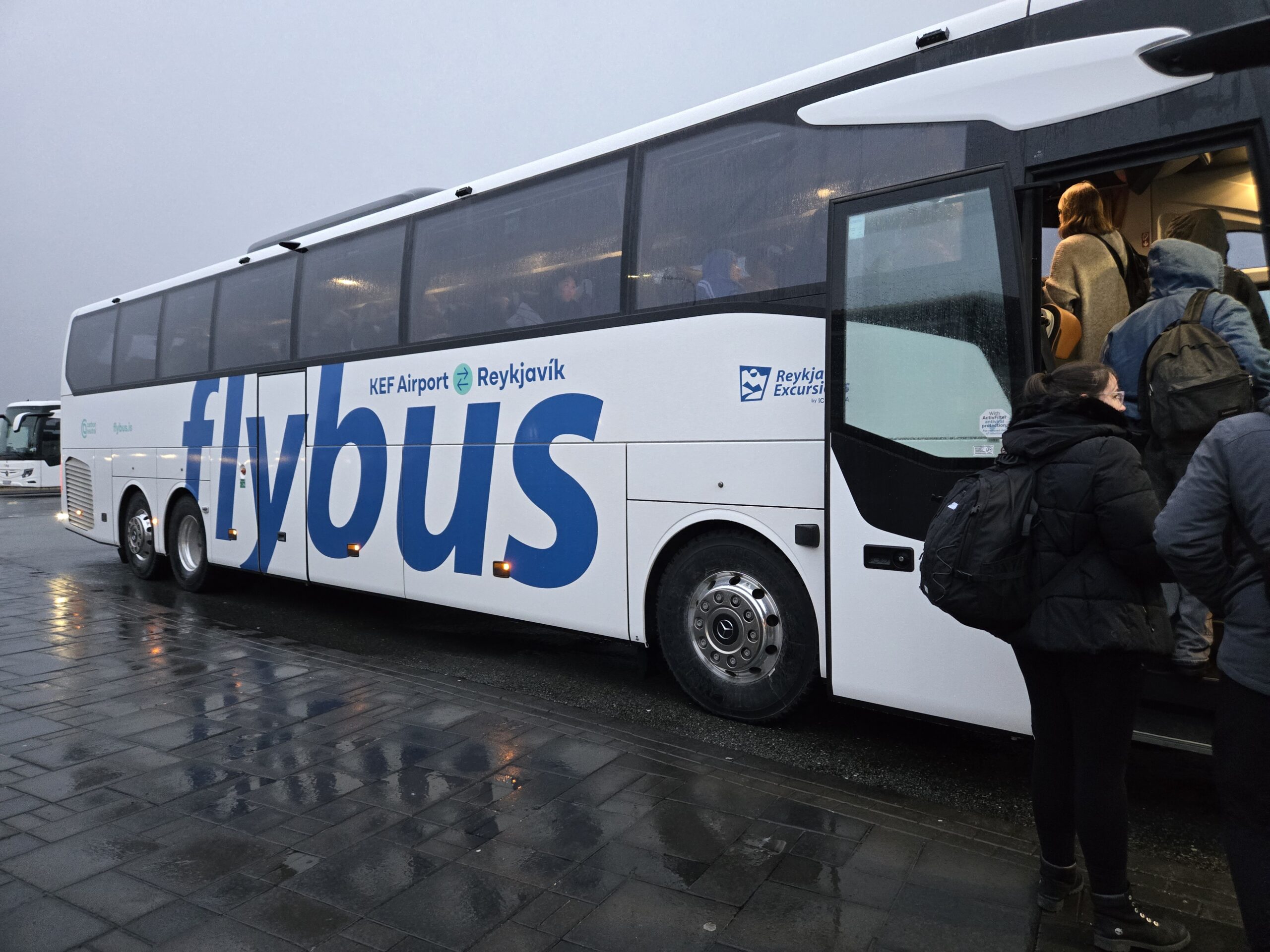
We've used the Flybus on both of our Iceland trips and found it a straightforward way to reach Reykjavík without hiring a car.
For our more recent trip, airport bus transfers were around £25 per person each way, which certainly isn't cheap compared with some European airport connections.
However, it can be considerably more affordable than taking a taxi, especially if you're travelling alone or as a couple.
We booked our tickets in advance and travelled to BSÍ Bus Terminal in Reykjavík, then walked to our accommodation or city attractions.
Some services also offer hotel or designated-stop transfers for an additional charge, so I'd compare the total price and walking distance before choosing.
There is also a public bus connection between Keflavík and the capital area, which may be worth comparing if your priority is the lowest possible fare rather than convenience.
However, I'd check its timetable, stops and luggage arrangements carefully, particularly if you're travelling with children or arriving late.
We've explained the Flybus in much more detail in our Keflavík Airport to Reykjavík Flybus Guide, including where to catch the coach, booking options and what to expect on arrival.
7. Visit Blue Lagoon on Your Way to or from the Airport
Another useful way to organise your Iceland itinerary is to think carefully about when you visit Blue Lagoon.
It's actually much closer to Keflavík International Airport than central Reykjavík, so it can make sense to visit on your arrival or departure day.
That's what we did during our November trip.
We spent the night in Reykjavík, then travelled to Blue Lagoon the following morning before continuing directly to Keflavík Airport for our flight home.
We didn't need to return to Reykjavík afterwards, which avoided unnecessary backtracking.
We used Destination Blue Lagoon coach transfers, paying approximately £27 per person from Reykjavík to Blue Lagoon and a further £27 from Blue Lagoon to Keflavík Airport.
Although those transfers still added to the cost of our trip, they meant we didn't need to arrange taxis or hire a car.
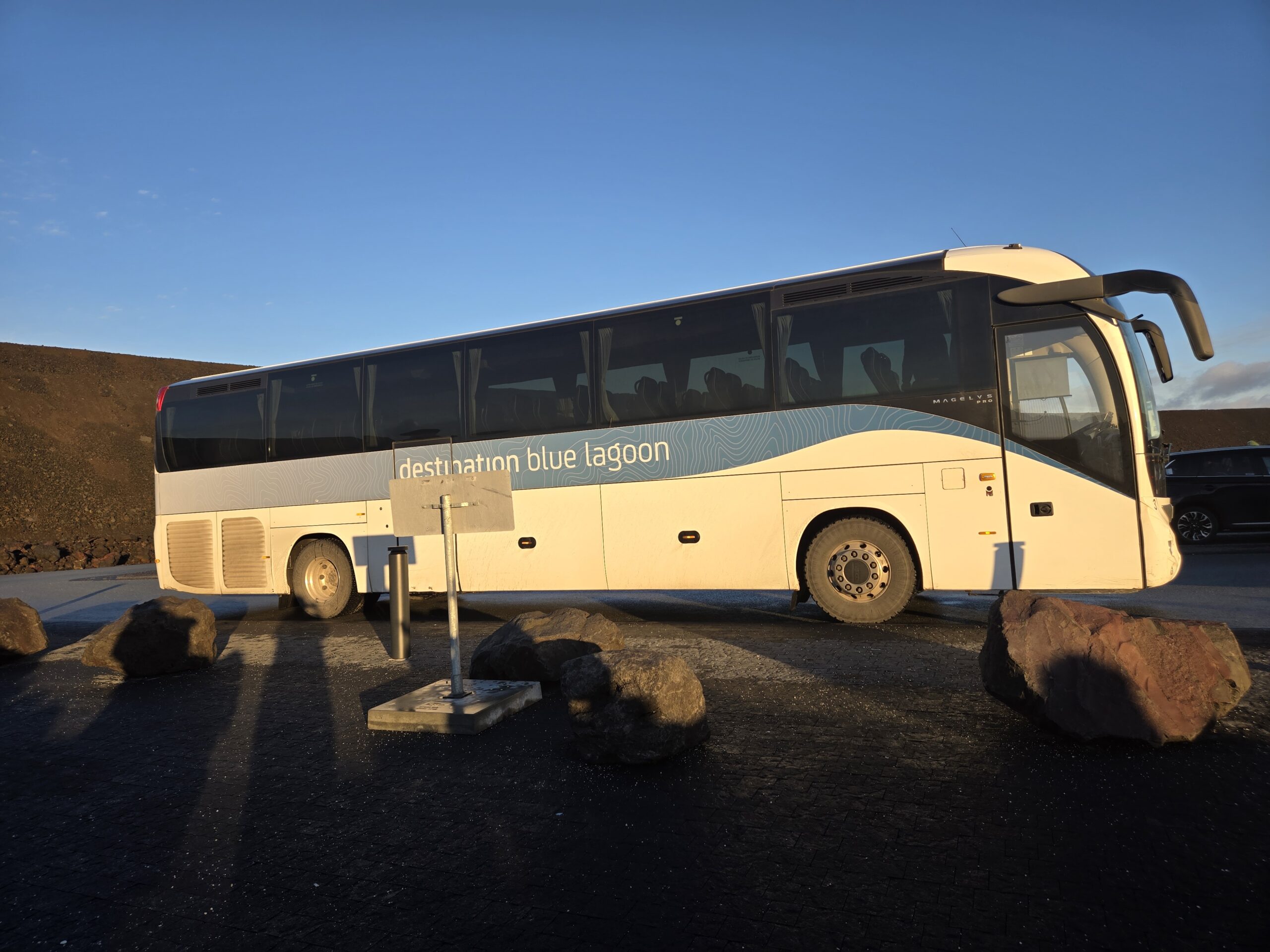
I'd recommend checking the available coach times before booking your Blue Lagoon admission, particularly if you're planning to continue directly to the airport.
Allow plenty of time for changing, collecting your bags, the transfer and airport security, rather than relying on a very tight connection.
You can read our How to Get to Blue Lagoon from Reykjavík or Keflavík Airport guide for our actual route, coach experience and practical booking advice.
8. Save Money on Food Without Living on Fast Food
Food is one of the areas where Iceland can feel particularly expensive, especially if you're eating in restaurants several times a day.
For comparison, I might expect to spend around £15 on a main course at a casual restaurant in the UK, whereas in Iceland I'd be more inclined to budget approximately £25, depending on where we were eating.
However, that doesn't mean you have to spend a fortune every time you're hungry, and I certainly wouldn't recommend surviving on fast food for your entire trip.
There are some lovely bakeries, soup restaurants, casual cafés and takeaway options that can help keep costs more manageable.
Try Icelandic Bakeries
During our November trip, I picked up a ham and cheese pastry, an almond pastry and a bottle of water for approximately £12 altogether.
I'm not a big breakfast person, so that was enough to cover both breakfast and lunch without needing two separate sit-down meals.
The pastries were absolutely delicious too, so it certainly didn't feel like we were compromising on quality to save money.
I'd definitely recommend looking at local bakeries if you want something tasty and filling without paying restaurant prices for every meal.
Try Traditional Icelandic Hot Dogs
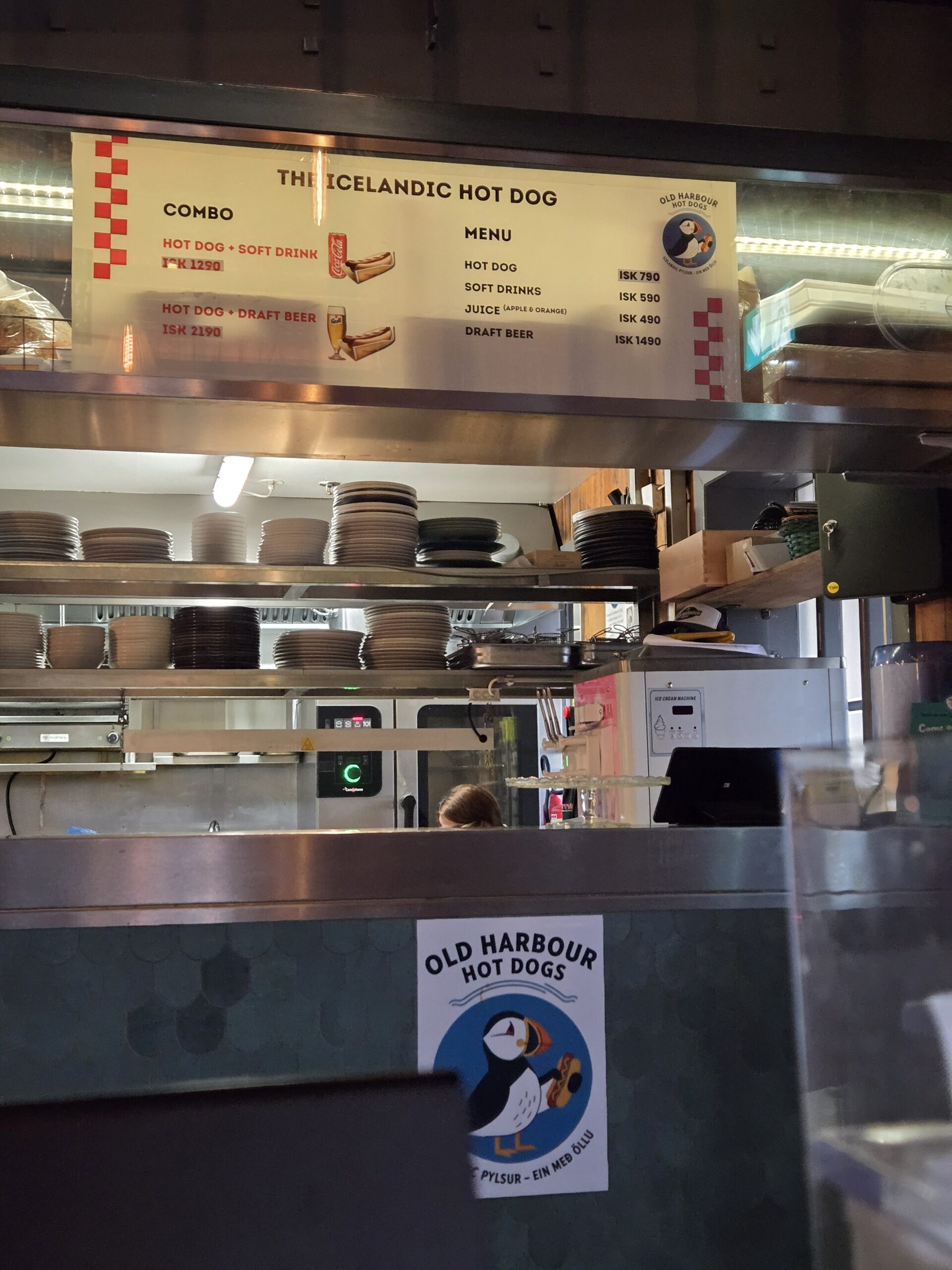
Hot dogs are one of Iceland's most famous fast-food options, and they're also relatively affordable compared with many restaurant meals.
The best-known place is Bæjarins Beztu Pylsur in Reykjavík, although you'll find hot dogs sold in other parts of the city too.
I'd budget roughly £5–£6 for a hot dog at a popular stand, depending on the location and current prices.
During our whale-watching trip, we also noticed that Old Harbour House sold Icelandic hot dogs as a cheaper alternative to ordering a full meal.
Look for Soup and Other Filling Meals
Traditional Icelandic soups can be another good option, particularly during the colder months when you want something warm and substantial.
During our November stay, my friend bought traditional Icelandic lamb soup and two rolls from a local shop for approximately £12.
She then used the communal facilities at CityHub rather than paying for a restaurant meal, which worked really well.
There are also restaurants in Reykjavík that specialise in soup, including Icelandic Street Food on Lækjargata, which has offered refills on selected soup dishes.
It's still worth checking the menu and prices, as soup in Iceland isn't necessarily cheap by UK standards, but a generous, filling meal can be better value than ordering several smaller dishes.
Don't Assume Familiar Fast Food Will Be Cheap
On our first Iceland trip, my daughter decided she wanted to go to Subway for lunch. Of all the places we could have eaten in Reykjavík, she chose Subway!
We both had a six-inch sandwich with crisps and a drink, and the total was approximately £23–£24 for the two of us.
Considering Subway isn't exactly cheap in the UK either, I didn't think that was particularly unreasonable.
Later, after our afternoon at Sky Lagoon, we were absolutely starving. We hadn't stopped to eat at the lagoon, so I can't comment on the food or prices there, but we found a café and shop at BSÍ Bus Terminal selling large slices of pizza.
The pizza was approximately £6.50 per slice and was absolutely incredible, although admittedly I'd been in the water for hours and was probably hungry enough to enjoy almost anything!
We also ate on the plane before landing in Iceland and had a toastie on the return flight, so we didn't need to buy lots of additional food during our Extreme Day Trip.
I think these experiences show that you don't necessarily need a big daily restaurant budget to enjoy Iceland, especially if you're only visiting for a short time.
9. Use Supermarkets and Accommodation Cooking Facilities
If you're staying in Iceland for several days, I'd definitely consider buying some food from supermarkets rather than eating out for every meal.
Bónus and Krónan are two of the best-known supermarket chains, while other local shops may be useful depending on where you're staying.
I'd particularly look at accommodation with kitchen facilities, a microwave or at least a fridge, because this can make a noticeable difference to your food spending.
At CityHub, guests had access to plates, cutlery, glasses, a communal fridge and a microwave, so it was easy to buy something locally and enjoy it at the hotel.
We also ordered food through Wolt, a food delivery app that works similarly to the services we use in the UK.
I ordered Yung Chow fried rice, which cost 3,834 ISK, approximately £23.46, including the delivery and service fees.
It wasn't the cheapest meal of the trip, and I'm sure collecting a takeaway would often work out cheaper, although you'd need to compare the actual prices.
However, after a long day out in the rain, it was lovely having dinner delivered rather than going back out again.
If you're staying in Iceland for a week, the savings from preparing even a few breakfasts and evening meals yourself could be significant, particularly for families.

Take Advantage of Discounts Included with Activities
It's also worth checking whether any of your booked experiences include discounts for nearby restaurants or cafés.
After our November whale-watching trip, we received a 15% discount at Old Harbour House, which we used for our evening meal.
I ordered fish and chips with a glass of wine, and the total was 4,502 ISK, approximately £27.54 after the discount.
That's certainly more than I'd expect to pay for a casual meal in many parts of the UK, but given the location, quality and the fact we'd just spent three hours out at sea, I was happy with what we paid.
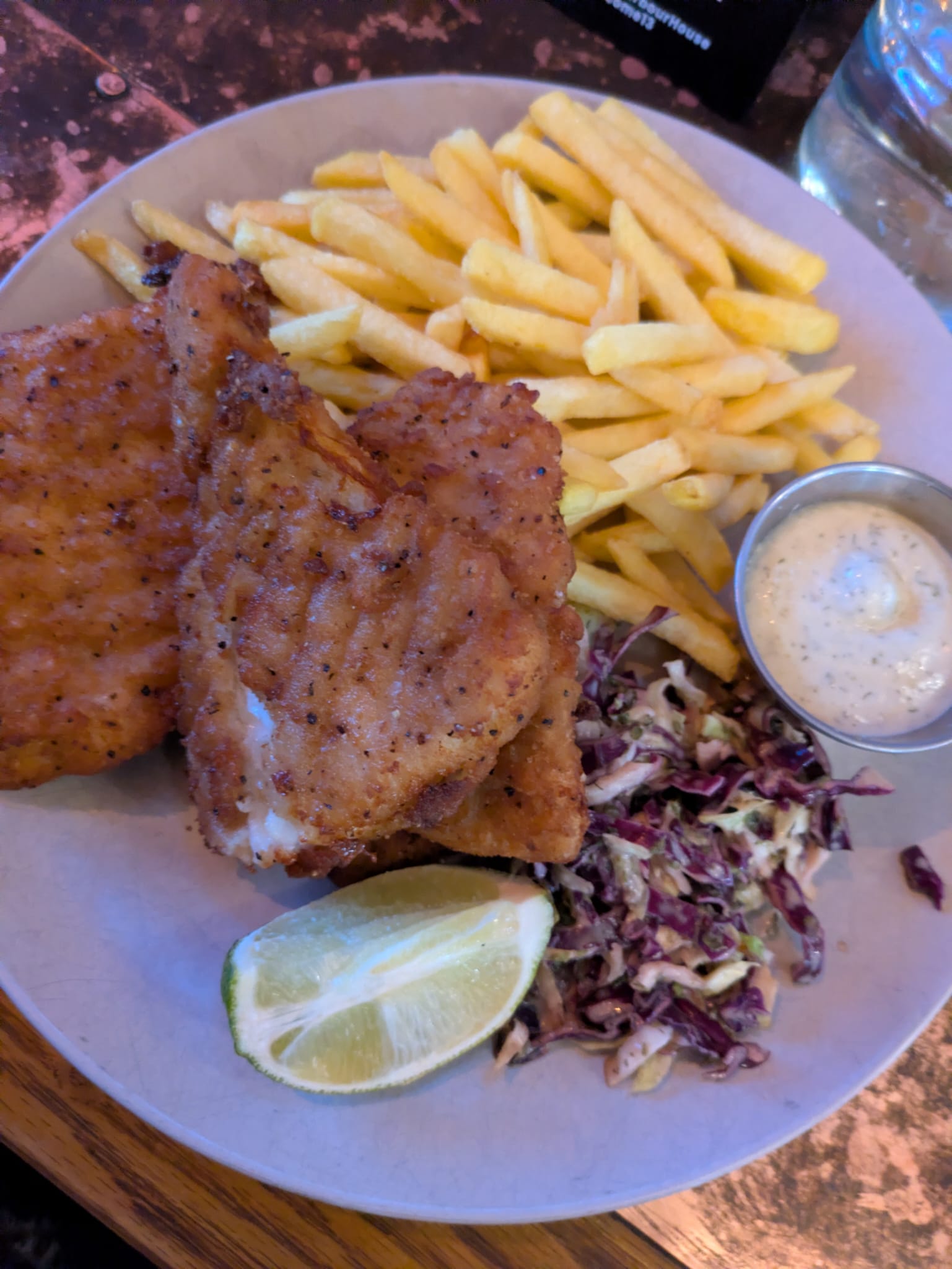
Our Reykjavík Whale-Watching Review includes more photographs of the food and menus, along with details of the discount we received.
10. Be Careful How Much You Spend on Alcohol
If there's one expense in Iceland that I think can make a holiday budget increase very quickly, it's alcohol.
Restaurant wine and drinks in bars can be considerably more expensive than in the UK, especially if you're visiting popular tourist areas or choosing more expensive establishments.
I wouldn't be surprised to see a bottle of wine costing £80–£90 in some restaurants, while cocktails and other drinks at premium bars can sometimes be around £20 each.
Those aren't prices you'll pay everywhere, but they're worth bearing in mind if you enjoy going out for drinks in the evening.
Personally, I'd rather save money on alcohol and put it towards another experience.
During our November trip, we bought a bottle of wine each at duty free before flying from Manchester, paying just £8 per bottle.
If you're an adult planning to bring alcohol into Iceland, check the current import allowances before travelling, as well as any restrictions at your accommodation about where outside drinks can be consumed.
I'd also look out for happy-hour offers if you're planning to visit bars in Reykjavík, rather than assuming you need to pay the full evening price for every drink.
Ultimately, this is one of those areas where the amount you spend is completely down to personal preference.
If you aren't particularly interested in drinking alcohol, you could save a considerable amount over the course of a week.
11. Explore Reykjavík's Free Attractions
One of the things I really like about Reykjavík is that you don't need to pay for an attraction every time you want to see something interesting.
We've spent time simply walking around the city, exploring the colourful buildings, admiring the street art and heading down to the harbour.
Rainbow Street is lovely for photographs, and Hallgrímskirkja is one of the city's most recognisable landmarks.
Entry to the main church is free when it's open to visitors, although there's a separate fee for going up the tower.
We visited on a Sunday during our November trip, when a normal church service was taking place, so it wasn't the right time to wander around sightseeing inside. However, I've visited the church interior on a previous trip.
Other free places worth exploring include the Sun Voyager sculpture, the waterfront around Harpa Concert Hall, Tjörnin Pond and Reykjavík's Old Harbour.
There's also plenty of street art around the city, which I really enjoy looking out for when we're exploring on foot.
Of course, you may still need to pay if you decide to visit museums, attend concerts or go into paid areas of particular attractions, but simply wandering around the city can be a lovely way to spend several hours.
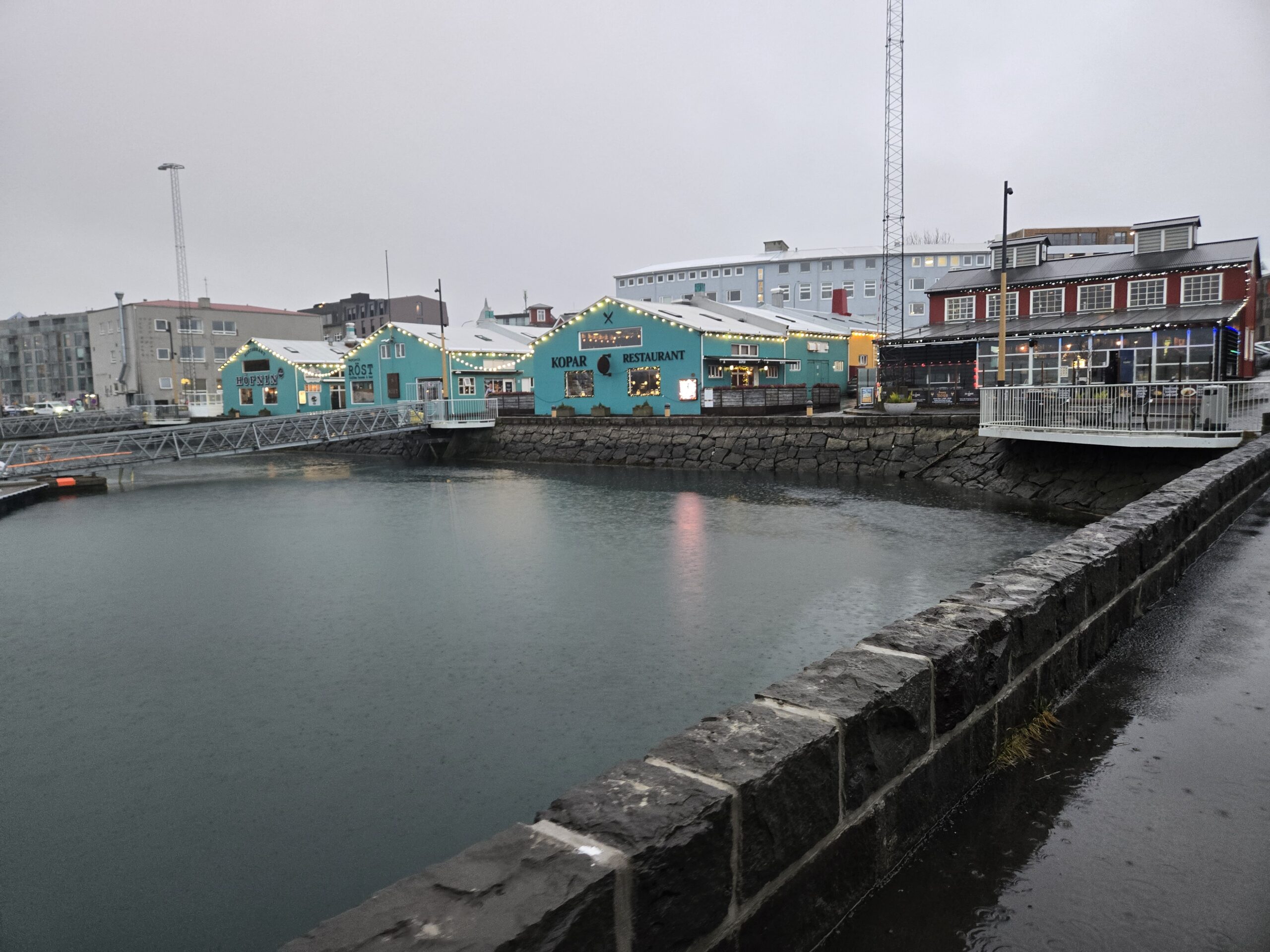
If you'd like more inspiration, our 10 Budget-Friendly Things to Do in Iceland guide covers free attractions and lower-cost activities in more detail, including waterfalls, beaches, hiking and local pools.
12. Try to See the Northern Lights for Free
Seeing the Northern Lights is one of the main reasons many people book a trip to Iceland, but you don't necessarily need to pay for an expensive tour to see them.
If you're visiting between approximately September and April, you may have the opportunity to see the aurora when conditions are suitable.
I'd recommend downloading an aurora forecast app that provides activity alerts, then combining that information with the cloud coverage forecast.
The Icelandic Meteorological Office Northern Lights forecast is particularly useful because it shows cloud cover and predicted aurora activity.
Cloud coverage makes an enormous difference, something we experienced during our November trip.
There was Northern Lights activity throughout the week surrounding our visit, but the sky was often too cloudy to see anything from the ground.
If the forecast looks promising and the sky is clear, you could try looking from an open area along Reykjavík's waterfront or harbour.
You'll usually have a better chance away from bright city lights, but even central Reykjavík can offer sightings during strong activity.
Grótta Lighthouse is another popular location for aurora watching, although it's further from the centre and you need to be careful around coastal conditions and tides.
I'd always prioritise your safety and avoid heading into remote or exposed areas during poor weather simply to save money on a tour.
Are Paid Northern Lights Tours Worth It?
Paid Northern Lights tours do have advantages, particularly because guides can monitor the weather and drive to areas with less cloud cover and light pollution.
That may improve your chances of seeing the aurora, especially when conditions are patchy around Reykjavík.
However, no tour can guarantee a sighting, and there's absolutely nothing stopping you from trying to see the Northern Lights for free if you're staying somewhere with suitable conditions.
We've actually been lucky enough to see the Northern Lights from the plane on our journeys home from Iceland, which didn't require us to book a tour at all.
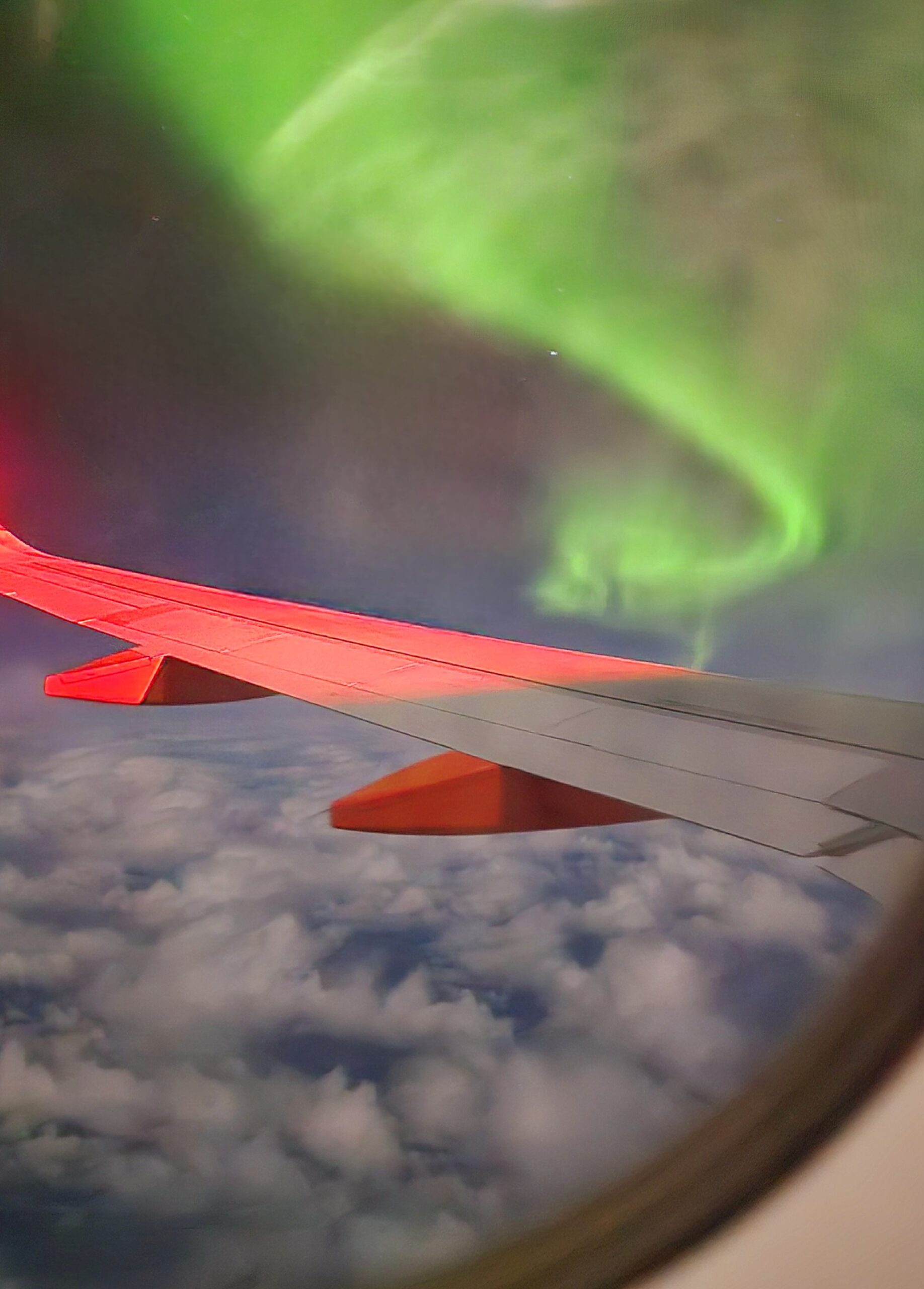
If you're flying back to the UK at night, I'd consider a left-side window seat based on our experiences, although the best view depends on your flight route, cloud cover and where the aurora is active.
Our Best Time to Visit Iceland guide explains the Northern Lights season and how conditions vary throughout the year.
13. Choose a Local Geothermal Pool Instead of a Luxury Lagoon
One of the biggest expenses people often associate with Iceland is visiting Blue Lagoon or Sky Lagoon.
We've now experienced both, and I genuinely loved them, but I completely understand that premium spa tickets aren't within everyone's budget.
Fortunately, Iceland has plenty of more affordable geothermal bathing options.
Reykjavík's public swimming pools are a particularly good alternative, as many have heated outdoor swimming areas and hot tubs that are popular with local residents.
For example, the published adult admission price for Reykjavík's municipal swimming pools in 2026 is 1,500 ISK, which is a fraction of the cost of visiting one of the famous luxury lagoons.
Laugardalslaug and Sundhöll Reykjavíkur are two options worth researching, particularly if you're staying in the capital without a car.
You'll still get the experience of relaxing in warm water, but without paying premium tourist attraction prices.
Just remember that local swimming pools have their own showering rules, and towels or swimwear rental may cost extra.
What About Free Natural Hot Springs?
There are also natural geothermal bathing spots in Iceland that can be visited without an admission charge.
However, I wouldn't necessarily treat these as completely free alternatives to Blue Lagoon because you may need to hire a car, pay for parking or complete a fairly substantial hike to reach them.
Reykjadalur's hot river is one example, but the walk requires suitable footwear and conditions, and it's not something I'd recommend treating as an easy winter activity.
I'd also be careful about bathing in unmarked geothermal areas, as water temperatures and terrain can be dangerous.
For us, the convenience of visiting Blue Lagoon without hiring a car was one of the reasons we were happy to pay more.
You can compare the two famous spas in our Blue Lagoon vs Sky Lagoon guide, including the different packages, facilities and which we preferred.
14. Save on the Basics, but Spend on Experiences That Matter
Although this is a guide to visiting Iceland on a budget, I think it's important to explain that we don't tend to scrimp on activities.
We'd rather save money on flights, baggage and everyday expenses, then pay for the experiences we really want to enjoy.
During our first trip, we chose the premium Sér Pass at Sky Lagoon for my daughter's birthday, including private changing facilities and the seven-step ritual.
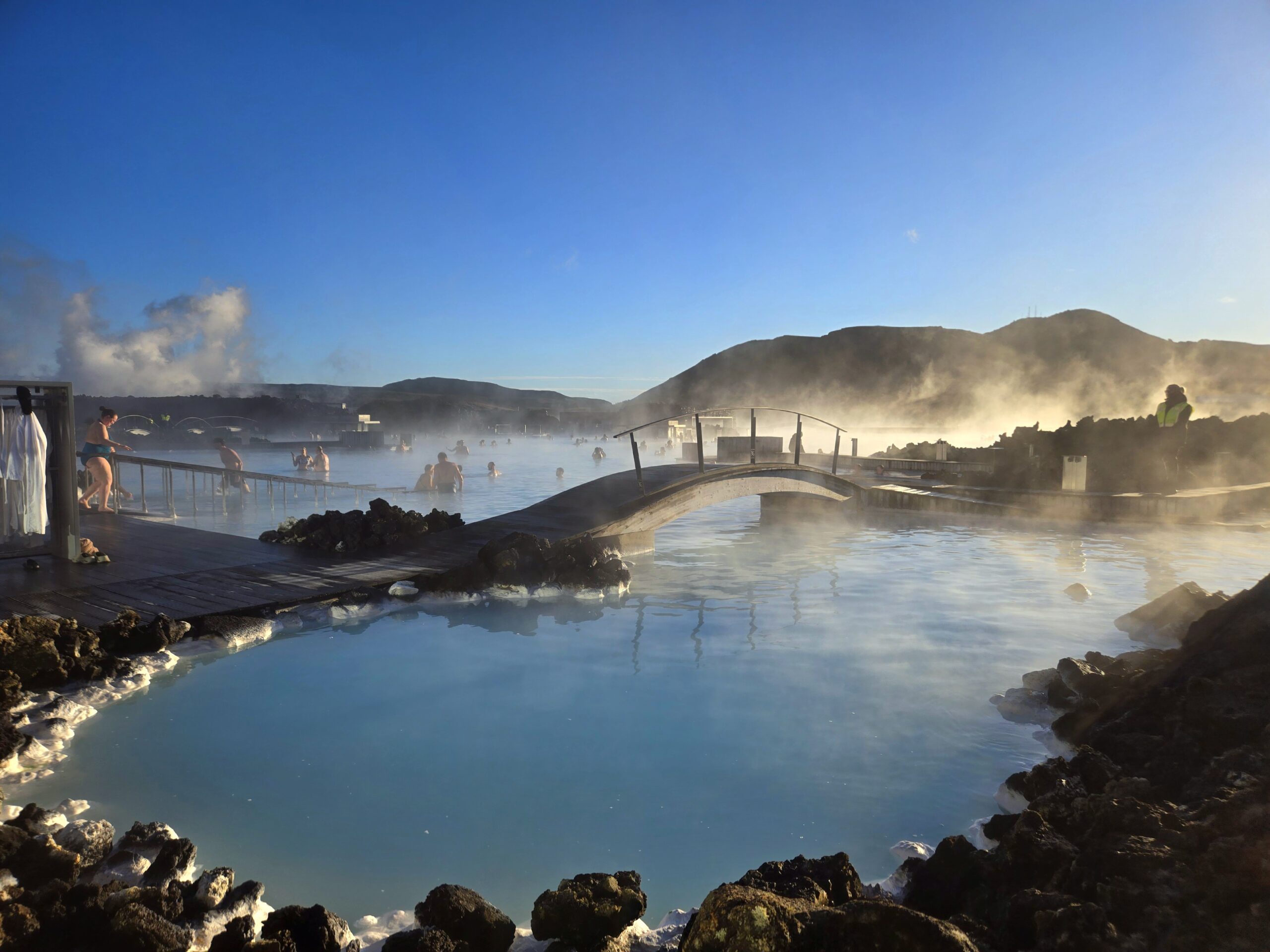
On our second trip, we booked the Premium package at Blue Lagoon, which included additional face masks, a robe and an included drink.
We paid £242.68 for two people at Blue Lagoon, working out at £121.34 each, and spent approximately five hours enjoying the experience.
That might sound expensive, but my friend and I had actually been discussing booking a spa day near where we live in the Lake District.
Many of the spa days we'd been looking at were around £130 per person without food, so Blue Lagoon was a similar price, despite being a completely different, bucket-list experience.
When I looked at it that way, I didn't think the price was unreasonable at all.
We also paid around £77 per person for our three-hour whale-watching experience, which I thought was good value for the time we spent out on the water.
I've paid similar prices for activities in other European countries, including Italy and the Nordic countries, and I didn't feel Iceland was necessarily charging unfairly high prices for the experiences themselves.
Of course, private tours are a completely different matter, and you could spend a substantial amount if you wanted exclusive transport and guides for every activity.
However, shared group tours can be a much more manageable way to experience some of Iceland's highlights.
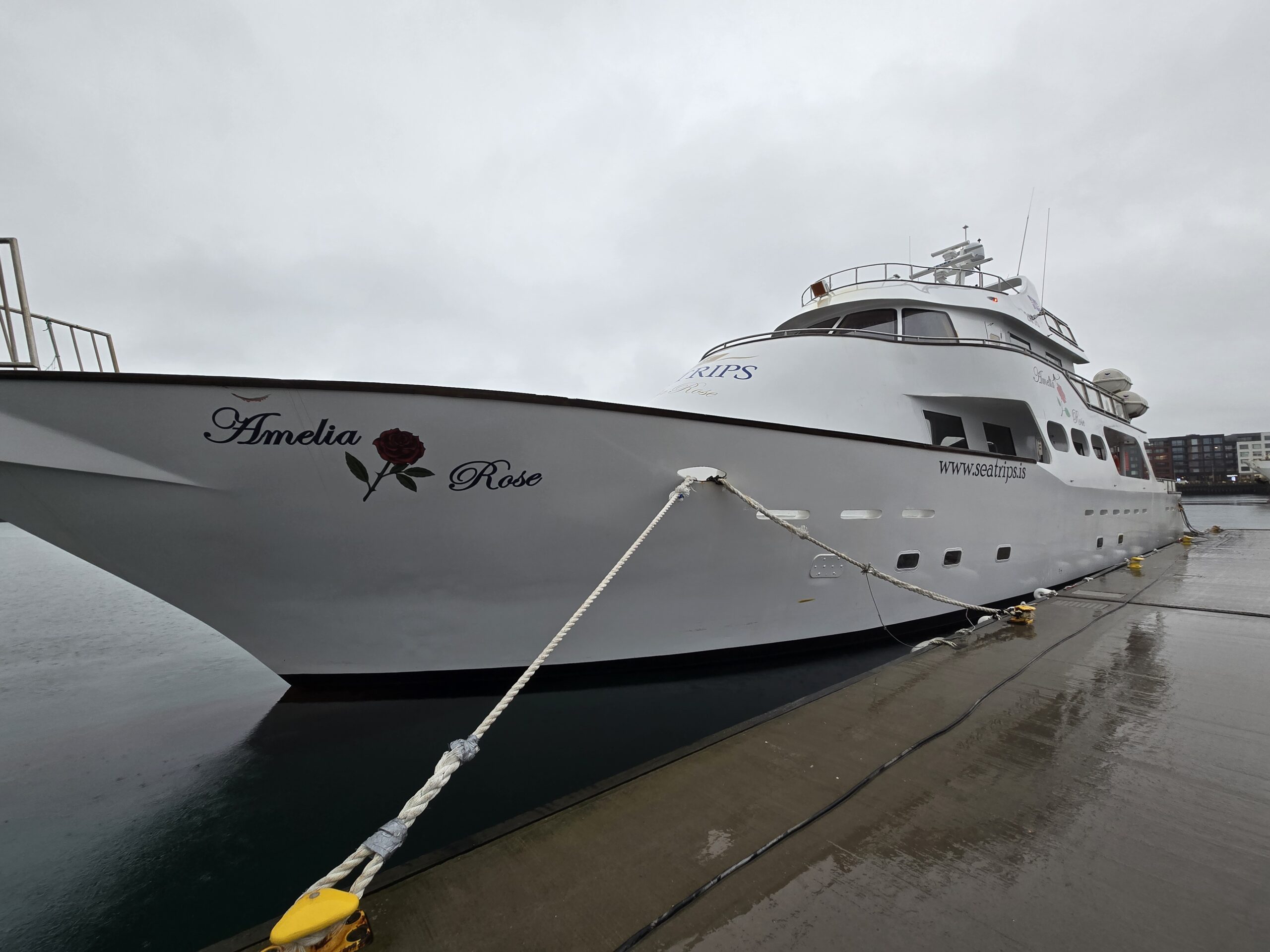
For the whale-watching trip, we used the Amelia Rose yacht, which had several outdoor viewing areas and a comfortable indoor lounge.
We were lucky enough to see minke whales and two humpback whales, making it one of the highlights of our trip.
You can check Amelia Rose whale-watching tour availability here, or read our firsthand whale-watching review to see what the experience was like.
We also have separate Blue Lagoon and Sky Lagoon reviews if you're deciding whether either spa is worth including in your own budget.
My approach to activities: I don't think budget travel needs to mean choosing the cheapest activities. Decide what matters most to you, save on less important expenses and then enjoy the experiences you've deliberately budgeted for.
15. Compare Group Tours with Hiring a Car
If you're planning to explore beyond Reykjavík, one of the biggest decisions is whether to hire a car or book organised excursions.
We didn't hire a car on either of our recent Iceland trips because we were mainly staying in Reykjavík and using transfers for specific activities.
For us, that was the most practical choice, particularly as my friend didn't want to drive during our November visit.
However, if you're travelling with several people and are confident driving in Iceland, hiring a car may work out cheaper than paying for multiple separate group tours.
I'd compare the total cost of car hire, insurance, fuel and parking with the cost of organised excursions, rather than automatically assuming one option is always cheaper.
Consider a Golden Circle Group Tour
One activity I think can offer particularly good value is a full-day Golden Circle tour.
Some tours last around ten hours and include stops at major attractions such as Þingvellir National Park, the Geysir geothermal area and Gullfoss Waterfall.
There are also combination tours that include admission to Secret Lagoon, giving you the opportunity to enjoy a geothermal bathing experience alongside the sightseeing.
Depending on the operator, package and travel date, some of these combinations can cost less than a Premium Blue Lagoon admission, while providing a full day of activities.
I'd check exactly what's included, though, particularly when it comes to lagoon admission, transfers, towel hire, meals and any other optional extras.
Could You Drive the Golden Circle Yourself?
Yes, and if you're confident driving, it can be a good option for families or groups who want to explore at their own pace.
However, Iceland's roads can be challenging during winter, with snow, ice, strong winds and sudden changes in weather.
I wouldn't recommend hiring a car purely to save money if you're uncomfortable with the conditions.
For short city breaks, I think organised transfers and shared tours can offer excellent value because you don't have to worry about driving, parking or navigating unfamiliar roads.
Before travelling, I'd check the latest advice from Safetravel Iceland and road conditions through umferdin.is.
16. Reserve Activities Early and Pay Later Where Possible
Another thing that's worked well for us is reserving activities when we book our flights, then spreading the payments rather than paying for everything at the same time.
When we booked our November flights, we already knew that Blue Lagoon and whale watching were two experiences we definitely wanted to include.
We used GetYourGuide's reserve-now-pay-later option where it was available, allowing us to secure the activities and pay closer to the travel date.
We did something similar with our accommodation, reserving CityHub in advance and paying shortly before our stay according to the booking conditions.
I find this particularly helpful when organising DIY trips because it means I don't necessarily have to pay for flights, accommodation and every activity in one go.
However, I'd always check the exact payment deadlines and cancellation terms before booking.
Not every activity or hotel offers a pay-later option, and paying later doesn't automatically mean a booking can be cancelled for free.
I'd also set a reminder for any outstanding payments so there are no surprises shortly before travelling.
17. Watch Out for Small Expenses That Add Up
Finally, I'd pay attention to the smaller costs that can easily be overlooked when planning a trip.
For example, buying bottled water every day is unnecessary when Icelandic tap water is safe to drink, so I'd take a reusable bottle whenever possible.
I'd also check whether breakfast is included with your accommodation, whether your hotel offers free luggage storage and whether the attractions you've booked provide towels and toiletries.
During our November stay, CityHub included breakfast with our particular booking rate, offered useful shared facilities and had luggage lockers available for guests.
Those little extras helped us keep things simple without paying separately for every convenience.
I'd also pay attention to food delivery charges. Our Chinese takeaway was £23.46 including fees, and while we were happy to pay for the convenience after a long day, collecting food yourself may cost less.
For longer trips, I'd look at whether a Reykjavík City Card would actually save money based on the museums, pools and buses you plan to use, rather than purchasing one automatically.
It's also worth checking bank card fees and exchange rates before travelling, as paying in Icelandic króna rather than accepting an unfavourable conversion offered by a payment terminal may help avoid unnecessary costs.
I think the key is to look at the overall cost of your trip rather than concentrating on one headline price.
How I'd Plan an Iceland Trip on a Budget
If I were planning another affordable trip to Iceland, I'd start by deciding how long I wanted to stay and which experiences mattered most.
For an Extreme Day Trip, I'd prioritise finding flights with enough time on the ground, then choose one main paid activity and include free Reykjavík sightseeing around it.
For an overnight break, I'd look at affordable central accommodation, check the airport transfers and arrange activities that work geographically together, as we did with whale watching in Reykjavík and Blue Lagoon on our way home.
For a longer holiday, I'd compare the cost of staying in one place and taking organised tours against hiring a car and moving between different regions.
I'd also consider apartments or accommodation with cooking facilities to keep everyday food costs manageable.
| Trip Type | Where I'd Concentrate the Savings |
|---|---|
| Extreme Day Trip | Cheap flights, underseat bag, pre-booked transfers, free sightseeing |
| 1–2 Night Break | Off-peak hotel, central location, affordable meals, one or two main activities |
| 3–4 Day City Break | Accommodation with kitchen facilities, shared tours, free attractions and local pools |
| One-Week Road Trip | Compare car hire and guided tours, self-catering, travel outside peak summer where practical |
However, I'd never make the mistake of assuming the cheapest itinerary is automatically the best one.
For us, the whole point of travelling is to enjoy the destination and have experiences we wouldn't normally get at home.
If that means paying a little more for a wonderful activity while saving elsewhere, I think that's money well spent.
Is Iceland Worth Visiting When You're on a Budget?
I definitely think so, provided you understand that some expenses will still be higher than in other European countries.
We found that flights and accommodation could be surprisingly affordable outside the main summer season, and Reykjavík had plenty to enjoy without paying for expensive attractions.
However, restaurant meals, alcoholic drinks and transport can quickly add up, especially if you're not planning ahead.
One thing that surprised me was that I didn't actually feel our paid experiences were unfairly priced.
Our Premium lagoon visits were comparable to the price of a spa day near home in the Lake District, while our whale-watching trip offered around three hours of entertainment and the chance to see incredible wildlife.
When I compared those activities with similar experiences we've enjoyed elsewhere in Europe, I didn't feel Iceland was dramatically more expensive.
For me, the biggest difference was in everyday spending, particularly food and alcohol.
That's why I think planning ahead and choosing where you're willing to save makes such a difference.
You don't have to book every tour, stay in a luxury hotel or eat in expensive restaurants every night to have a fantastic trip.
Equally, if you really want to visit Blue Lagoon or enjoy a premium whale-watching experience, I'd rather make room in the budget for that than spend unnecessarily on things that matter less to me.
We've enjoyed both of our visits to Iceland and would happily return again, particularly if we found another good flight deal.
For a more detailed look at the prices we actually paid, including meals, transport, accommodation and activities, see our separate Iceland travel costs guide once published.
How to Visit Iceland on a Budget FAQs
Can you visit Iceland on a budget?
Yes. Although Iceland is an expensive destination, you can reduce the cost by travelling outside peak summer, finding inexpensive flights, using underseat luggage, booking good-value accommodation, preparing some meals yourself and taking advantage of free attractions.
What is the cheapest time to visit Iceland?
I'd start by comparing dates between October and March, avoiding school holidays, Christmas and other busy periods. April, May and September can also offer good opportunities. Prices vary considerably depending on the exact dates, flights and accommodation you choose.
How much are flights to Iceland from the UK?
Prices vary, but we've paid £58 return per person for our March 2025 Extreme Day Trip and £85 return for our November 2026 weekend. When researching in November 2026, I also found selected winter returns from around £42–£50, although those fares aren't guaranteed.
Can you travel to Iceland with just an underseat bag?
Yes, particularly for an Extreme Day Trip or short break. We travel wearing our bulky jacket and sturdy shoes, use compression bags for clothing and avoid packing unnecessary toiletries where they're already provided. Always check the airline's baggage limits before travelling.
Where should you stay in Iceland on a budget?
For a short visit without a hire car, I'd recommend looking at central Reykjavík. We stayed at CityHub Reykjavik in November 2026, paying £113 for two people. It had comfortable private sleeping pods, immaculate shared bathrooms, breakfast included with our rate and a rooftop hot tub.
Is it cheaper to hire a car or book tours in Iceland?
It depends on your group size and itinerary. Hiring a car may be cheaper for families or groups exploring several areas, but you need to account for insurance, fuel and parking. For a short Reykjavík break, organised transfers and shared tours can be more practical.
How can you save money on food in Iceland?
I'd recommend local bakeries, Icelandic hot dogs, soup restaurants and supermarket meals. We bought delicious pastries and water for approximately £12, while my friend enjoyed traditional lamb soup with two rolls for around £12. Accommodation with a kitchen or microwave can help reduce costs further.
Are restaurants expensive in Iceland?
Yes, generally more expensive than casual restaurants in the UK. I'd allow around £25 for many restaurant main courses, although prices vary. During our November trip, fish and chips with a glass of wine cost £27.54 after a 15% discount.
What is the cheapest way to get from Keflavík Airport to Reykjavík?
The public bus can be worth investigating if your priority is price, although the journey and stops may be less convenient. We've personally used Flybus, paying around £25 per person each way on our more recent trip, which was a practical alternative to hiring a car or booking taxis.
Can you see the Northern Lights in Iceland for free?
Yes. If the sky is dark and clear and aurora activity is suitable, you may see the Northern Lights without booking a tour. I'd check an aurora forecast app and the Icelandic Meteorological Office cloud map. Paid tours can improve your chances by travelling to clearer areas, but sightings are never guaranteed.
Are there cheaper alternatives to Blue Lagoon and Sky Lagoon?
Yes. Reykjavík's public geothermal swimming pools are much cheaper than the famous luxury lagoons, with adult municipal pool admission priced at 1,500 ISK in 2026. Some natural bathing areas are free, although they may require transport or hiking and aren't suitable in all weather conditions.
Is it cheaper to visit the Golden Circle independently?
It can be, particularly if you're sharing car hire costs with several people. However, organised group tours can offer excellent value too, especially when they include several attractions and transport. I'd compare full costs and consider winter driving conditions before deciding.
Can you book Iceland activities now and pay later?
Some activities on GetYourGuide offer a reserve-now-pay-later option, which we've used when planning our Iceland trips. Certain accommodation bookings offer similar arrangements. Availability, payment dates and cancellation terms vary, so always check the conditions before reserving.
Do you need to spend money on activities in Iceland?
No. Reykjavík has free attractions, and much of Iceland's appeal comes from its natural scenery. You can explore the waterfront, street art and city landmarks without paying for tours. Waterfalls, beaches and hiking routes can also be free to access, although transport or parking may still cost money.
Is Iceland worth the money?
We certainly thought so. Although everyday expenses can be high, we felt our premium lagoon experiences and whale-watching tour were good value compared with similar activities elsewhere in Europe. By saving on flights, luggage and accommodation, we could spend more on the experiences we really wanted.
More Iceland Travel Guides
We've now visited Iceland in both March and November and have been expanding our Iceland guides with first-hand reviews, original photographs and practical advice for planning DIY trips from the UK.
10 Budget-Friendly Things to Do in Iceland
For more free and low-cost experiences, read our 10 Budget-Friendly Things to Do in Iceland guide, including waterfalls, free sightseeing, geothermal pools and activities outside Reykjavík.
Where to Stay in Reykjavík
Our Where to Stay in Reykjavik guide compares seven accommodation options for different budgets, including private pods, hotels, guesthouses and apartments.
CityHub Reykjavik Review
Read our CityHub Reykjavik Review for everything you need to know about the private sleeping pods, shared bathrooms, rooftop hot tub, breakfast and location.
Iceland Extreme Day Trip from Manchester
Our Iceland Extreme Day Trip itinerary explains how we flew to Reykjavík and visited Sky Lagoon before returning home the same evening.
Blue Lagoon and Sky Lagoon Reviews
We've tried both of Iceland's famous lagoons. Read our Blue Lagoon Iceland Review, Sky Lagoon Iceland Review or Blue Lagoon vs Sky Lagoon comparison before deciding which experience to book.
Keflavík Airport and Blue Lagoon Transfers
Our Keflavík Airport to Reykjavík Flybus guide explains our airport transfer experience, while our Blue Lagoon transport guide covers travelling between Reykjavík, the lagoon and Keflavík Airport.
Best Time to Visit Iceland
If you're flexible with your travel dates, our Best Time to Visit Iceland guide compares the seasons for Northern Lights, wildlife, road trips, weather and potentially cheaper travel.
What to Pack for Iceland in Winter
Travelling with just a small bag? Our Iceland Winter Packing List includes practical advice for Reykjavík sightseeing, whale watching, geothermal lagoons and short breaks with underseat luggage.
My Advice for Planning Iceland on a Budget
Having now visited Iceland twice, I genuinely don't think it needs to be the prohibitively expensive destination that many people imagine, although I certainly wouldn't describe it as cheap.
Food, alcohol, transport and some attractions will cost more than you're probably used to paying at home, and there's only so much you can do about that.
However, you can make a big difference to the overall cost by travelling outside the peak summer season, finding affordable flights, avoiding unnecessary luggage charges and choosing accommodation that offers good value.
I'd also make the most of Reykjavík's free attractions and look for affordable places to eat rather than feeling you need to dine in expensive restaurants every day.
For us, that approach meant we could enjoy premium experiences like Blue Lagoon, Sky Lagoon and whale watching without feeling that every single part of the trip had to be expensive.
And that really is my biggest recommendation: decide which parts of your trip matter most, save money where you can and don't feel you need to sacrifice every experience simply because you're travelling on a budget.
We've had two fantastic trips to Iceland, and neither involved luxury flights or particularly expensive accommodation. What made them special were the experiences we chose to spend our money on.