If you're planning your first trip to Lapland, you're probably wondering what on earth to pack.
Before our first visit, I spent hours reading blogs, watching YouTube videos and scrolling through social media trying to work out what we actually needed. Every packing list seemed to recommend expensive Arctic clothing and specialist equipment, leaving me convinced we were going to spend a fortune before we'd even booked our flights.
Three trips later, I've realised it doesn't need to be that complicated.
We've now visited Lapland three times, travelling in both November and January. We've experienced temperatures as low as minus 28°C, travelled with children of different ages, bought our own winter clothing, hired clothing once we arrived and even managed to travel with just hand luggage.
Along the way we've picked up lots of little tips that made each trip easier.
The biggest lesson we learnt is that staying warm isn't about buying the most expensive clothing you can find. It's about wearing the right layers and packing a few items that many packing lists forget to mention.
This guide covers exactly what worked for us, what we'd do again and what we'd pack differently if we were planning another trip.
From DIY itineraries and Northern Lights tips to budgeting advice, destination guides and honest reviews of the places we've visited, you'll find everything together in our Lapland Travel Guide Hub.
Just a quick note before we begin. Some of the links in this guide are affiliate links. This means we may earn a small commission if you make a purchase through them, at no extra cost to you. We only recommend products, services and experiences we've used ourselves or genuinely believe will help you plan your trip. Thanks for supporting Build a Break.
If you just want a quick overview before reading the rest of the guide, this is what we'd recommend packing.
Thermal base layers, a warm fleece or jumper, waterproof jacket, waterproof ski trousers, insulated snow boots, thermal socks, warm hat, waterproof gloves or mittens, at least two snoods, sunglasses, lip balm, moisturiser, hand warmers, a flask, hot chocolate sachets, power banks and a small phone tripod if you're hoping to photograph the Northern Lights.
If you're only visiting for a couple of days, I'd also consider hiring your outer clothing once you arrive.
Now let's look at everything in a little more detail.

The first thing people usually ask is just how cold Lapland actually is.
Across our three trips we've travelled in both November and January, and while every visit has been different, we've experienced temperatures as low as minus 28°C.
The answer depends on when you visit, but if you're travelling during winter you should expect temperatures well below freezing.
December and January are generally the coldest months. During our January trip we experienced temperatures of around minus 28°C. It sounds unbelievably cold, but surprisingly we were much warmer than we expected because we'd dressed properly.
The strange thing about Lapland is that the temperature doesn't always tell the full story.
If you're walking around Santa Claus Village or exploring the town you'll naturally warm up as you move around. Standing still while waiting for the Northern Lights or sitting on a husky sleigh for twenty minutes feels completely different.
That's why what you wear is much more important than the actual number on the weather forecast.
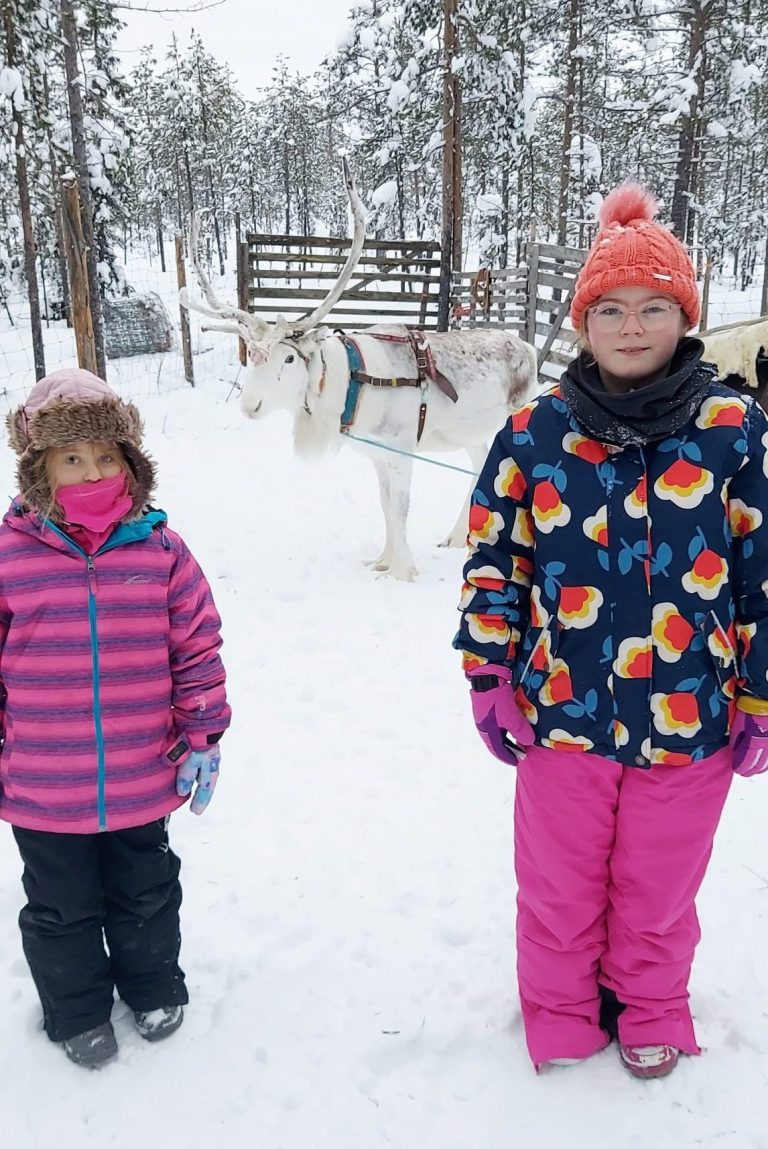
Temperatures can vary quite a bit depending on when you travel. If you're still deciding on your dates, our Best Time to Visit Lapland guide covers what to expect throughout the winter, including snow, daylight hours and prices.
Before our first trip I thought we needed specialist Arctic clothing for everyone.
Looking back, I needn't have worried.
Most people already own quite a few of the things they'll need. The key is layering rather than buying one huge winter coat.
Many activities also provide thermal suits and boots. Snowmobiling companies almost always do, so there's no point buying expensive clothing just for one excursion.
If you're planning a longer winter holiday or think you'll visit snowy destinations again in the future, buying your own clothing can make sense.
If you're only visiting for a couple of days though, I'd seriously think about hiring it instead.
Clothing is just one of the costs to factor into your budget. We've broken down what we actually spent on flights, accommodation, activities, food and clothing in our Is Lapland Expensive? guide.
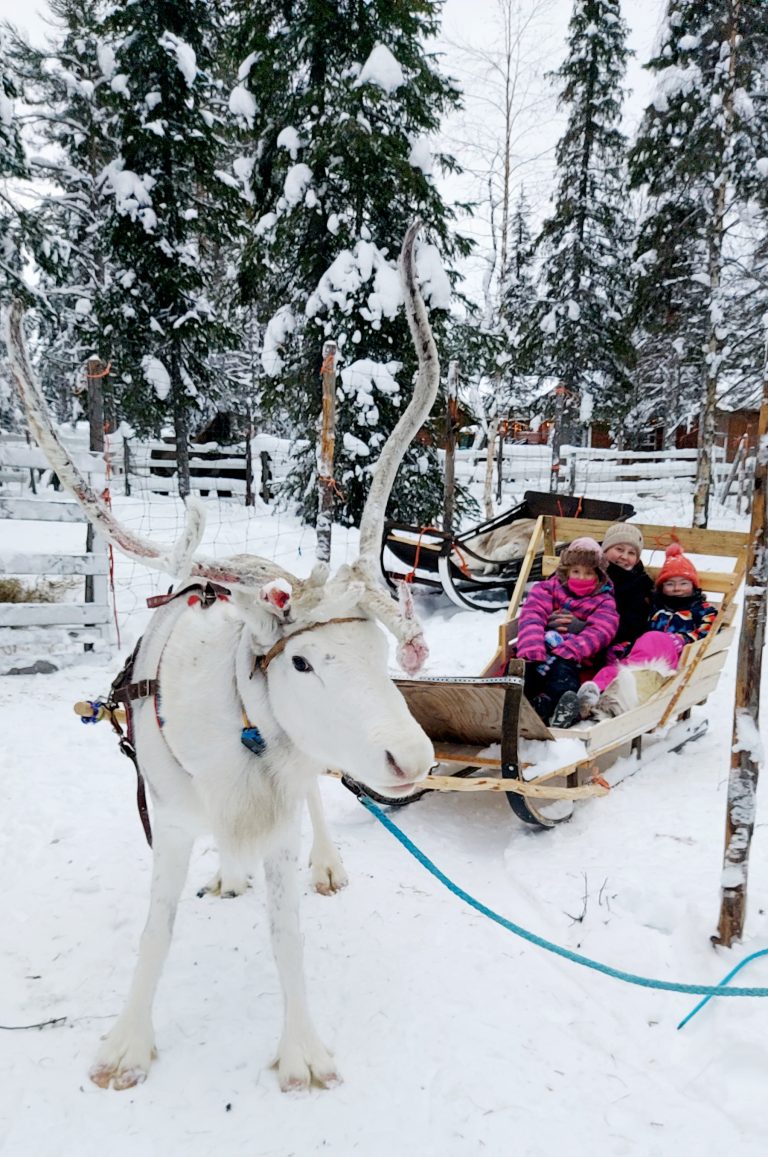
We've now done Lapland both ways.
On our first trip we bought everything before we travelled. We found some fantastic bargains and we've used a lot of it again on later winter holidays.
For our most recent trip though, things were slightly different.
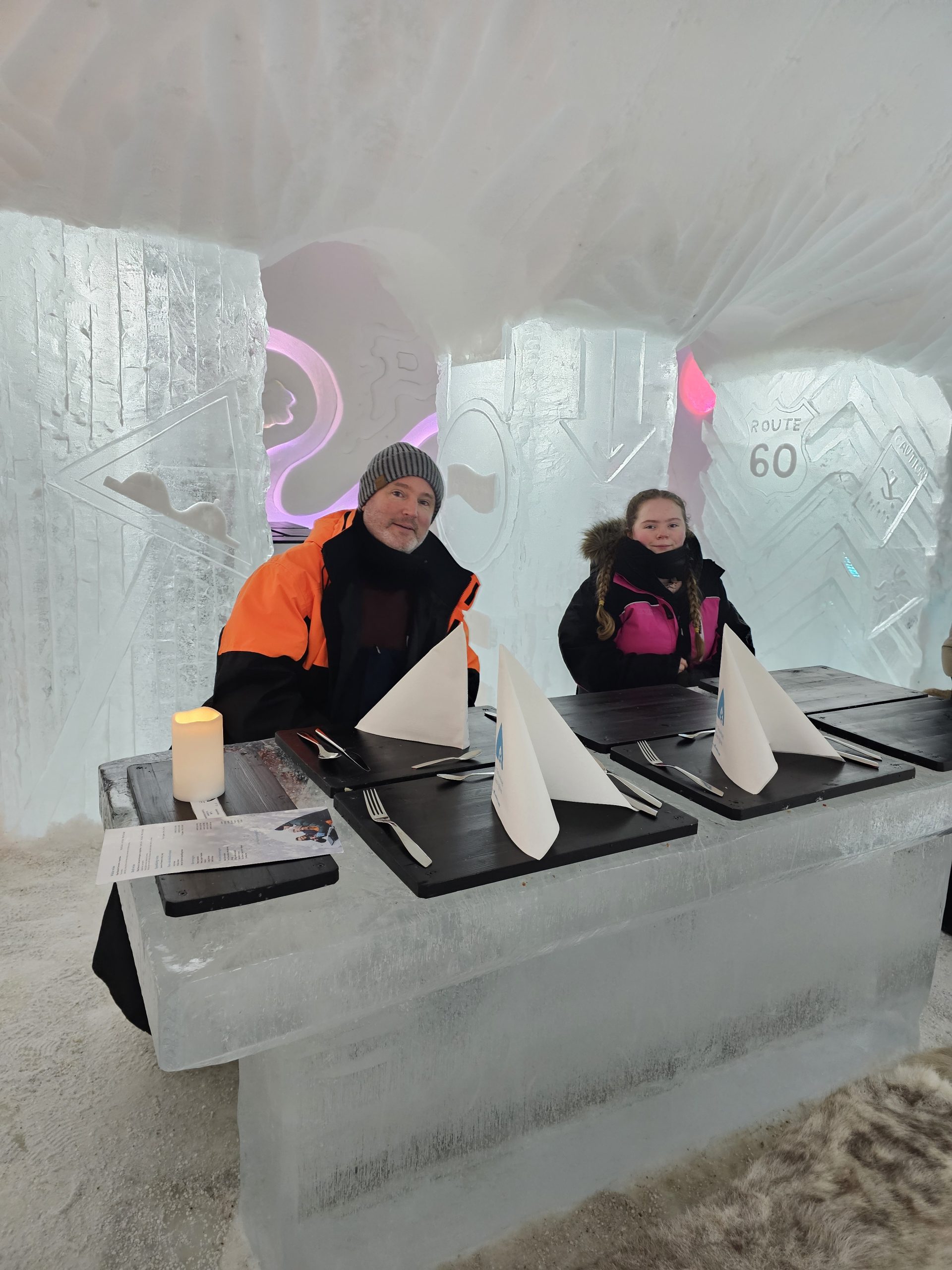
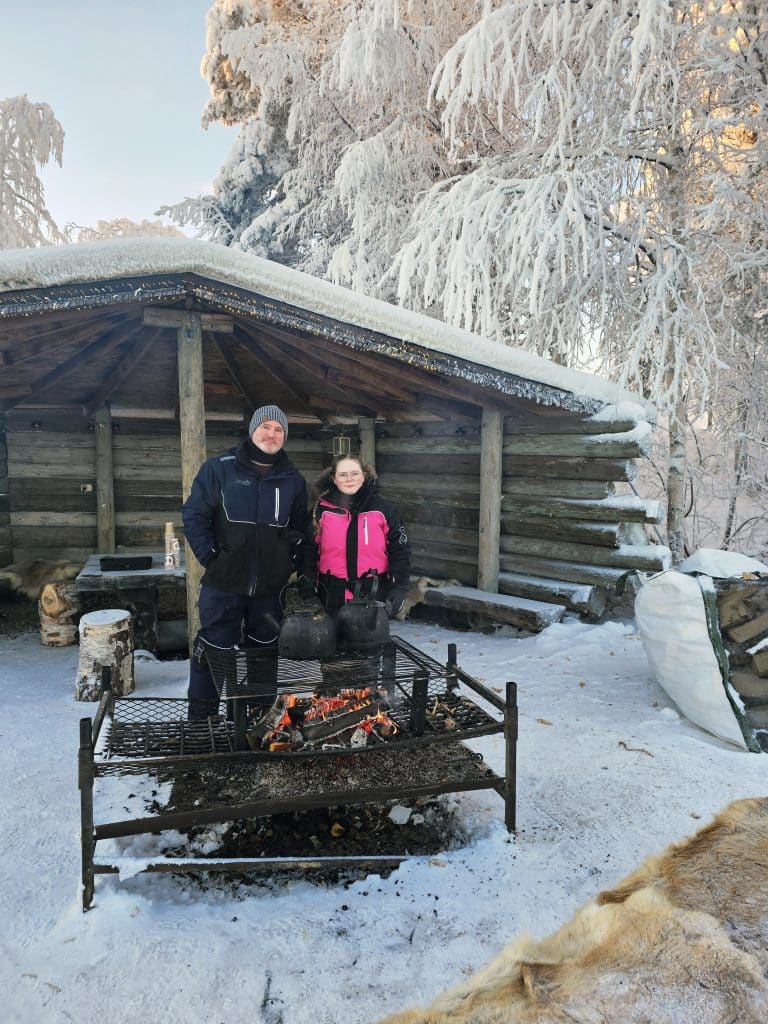
It was my husband's first visit to Lapland and we were only spending two days in Rovaniemi. Buying another complete set of winter clothing didn't seem worthwhile, so we decided to hire our outer clothing from Rovaniemi Insider instead.
It cost around €50 per person for two days and included thermal suits, boots and gloves.
Looking back, I'd happily do exactly the same again.
One of the biggest advantages was being able to try everything on before leaving. Ordering bulky winter clothing online can be difficult and it's not always easy getting the sizing right, especially when you need enough room for thermal layers underneath.
Hiring meant we knew everything fitted properly before heading out into the snow.
It also made packing much easier as we didn't need to fill our suitcases with bulky boots and thick winter clothing.
If you're travelling for four or five days every year, buying your own clothing will probably work out cheaper in the long run.
We'd still recommend packing your own thermals underneath, as these aren't usually included with clothing hire.
One thing to bear in mind is that if you've booked a package holiday to Lapland, thermal clothing hire is often included as part of your trip. It's always worth checking what's included before you travel, as you may not need to hire anything separately once you arrive.
For a short DIY trip though, hiring is a really good option.
If you'd rather buy your own clothing, don't assume you have to spend hundreds of pounds.
Some of our best bargains came from eBay and Vinted.
Many people buy ski clothing specifically for one Lapland holiday before selling it a few weeks later, often in excellent condition.
This is especially useful if you're travelling with children because they've usually outgrown everything by the following winter.
For our youngest child we managed to buy a quality ski jacket, ski trousers and snow boots for around £15.
We also keep an eye on Aldi and Lidl during ski season as they often have surprisingly good quality thermal clothing at very reasonable prices.
After the trip we could simply sell everything on again.
If you're travelling as a family, buying second hand can save hundreds of pounds compared to buying everything brand new.
If there's one piece of advice I'd give anyone travelling to Lapland, it's this.
Don't rely on one huge coat.
Layers work much better.
Each layer has its own job and together they keep you warm while allowing you to adjust your clothing throughout the day.
Your base layer sits next to your skin and is probably the most important layer of all.
Its job is to keep you warm while moving moisture away from your body.
Merino wool or synthetic thermal clothing works really well.
Try to avoid cotton where possible because once it becomes damp it stays cold.
For all three of our trips we've worn thermal base layers and they've never let us down.
One of the best money saving tips we discovered on our first trip involved the children.
Your middle layer traps your body heat. This could be a fleece, a wool jumper or another insulated layer.
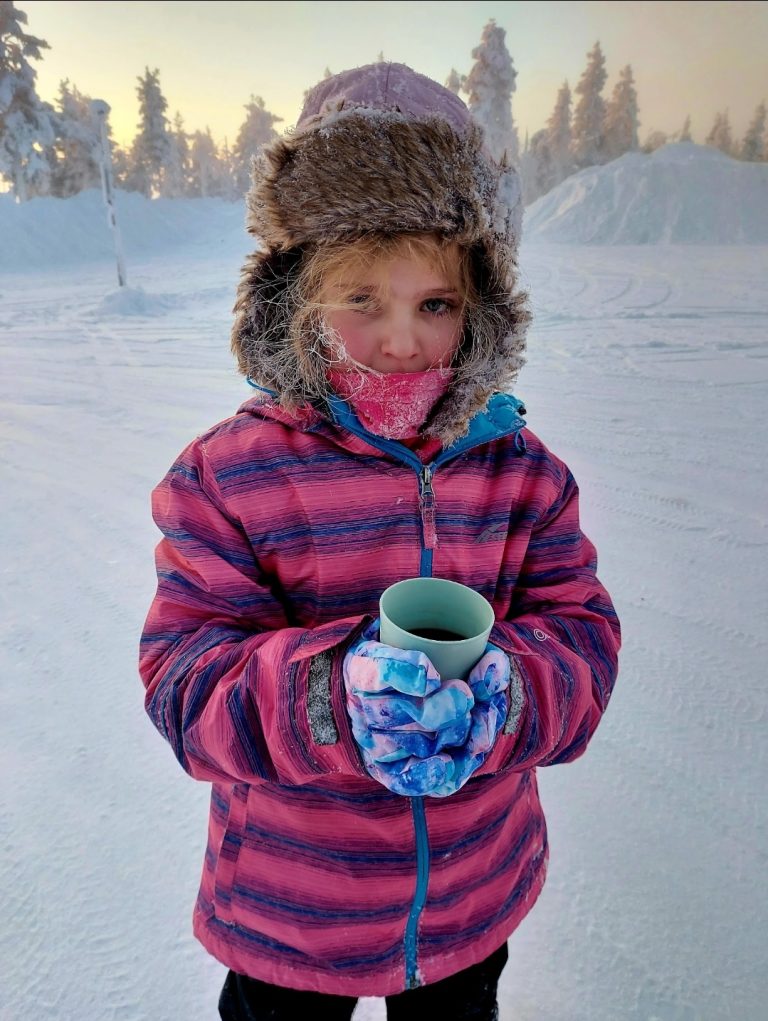
Instead of buying expensive specialist mid layers, we dressed them in Sports Skins as their base layer and ordinary fleece pyjamas over the top.
It worked brilliantly.
They stayed lovely and warm throughout the trip and we never once had any complaints about being cold.
We've recommended this trick to friends ever since because fleece pyjamas are often much cheaper than specialist ski clothing and most families already have a pair at home.
Your outer layer protects you from the wind, snow and moisture.
A waterproof insulated jacket and waterproof ski trousers are ideal.
If you're planning lots of outdoor activities, keeping the wind out is just as important as keeping warm.
Good boots make a huge difference in Lapland.
They need to be waterproof, insulated and have good grip for walking on packed snow and icy paths.
One mistake people often make is buying boots that are too tight.
You need enough room for thermal socks without your feet feeling squeezed.
Warm feet need space.
Thermal or merino wool socks are by far the best option.
Across all three of our trips we've always packed thermal socks and they're one item we've never regretted taking.
It's much better to wear one or two good quality pairs than lots of thinner socks that leave your boots feeling tight.
Sometimes it's the smallest items that make the biggest difference.
We'd never travel to Lapland without a warm hat that covers our ears, waterproof gloves and at least two snoods each.
One thing we quickly learnt is that snoods become damp surprisingly easily. After breathing through one for a few hours it's nice to have a dry one ready for the afternoon or evening.
The same goes for hats and gloves.
If you've got room, pack a spare pair.
Children love snowball fights and climbing through the snow, so gloves don't stay dry for long. Having another pair ready the following morning is much more comfortable than putting cold damp gloves back on.
Hand warmers have also become a permanent part of our packing list.
We keep a few packs in our pockets and slip them inside our gloves whenever we're going to be outside for a while.
They're particularly useful for reindeer rides, husky safaris and Northern Lights trips where you'll spend long periods standing or sitting still.
One thing I learnt the hard way was just how quickly the cold drains your phone battery.
When we headed out one evening to look for the Northern Lights, my battery dropped far quicker than it ever would at home. Between taking photos and the freezing temperatures, it didn't last long at all.
Since then, we've always packed several power banks. I'd much rather carry a little extra weight than miss the chance to take photos because my phone has died.
It's also worth keeping your phone in an inside pocket whenever you can. The warmer it stays, the better the battery seems to perform.
If you're hoping to photograph the Northern Lights, I'd also recommend taking a small phone tripod.

It doesn't need to be expensive, but it makes a huge difference. To capture the best photos your phone needs to stay completely still for a few seconds, which is almost impossible to do by hand.
Don't forget your charging cables and a European plug adaptor too.
After three trips to Lapland, there are a few things that now go into our suitcase every single time.
A flask is probably number one.
Before heading out each morning we fill it with hot chocolate and take a few extra sachets with us. After standing outside waiting for a husky ride or watching the Northern Lights, you'll be amazed how good a warm drink tastes.
It sounds like such a simple thing, but it's probably one of the best items we've ever packed.
We also never travel without plenty of hand warmers. They fit easily into your pockets or gloves and stay warm for hours. They're especially useful if you've got children who don't always remember to keep moving when they're outside.
Food is another thing we think about before every trip.
On our first visit we packed a few simple bits from home including microwave popcorn, noodles, biscuits, sweets and mini bottles of concentrated squash.
It turned out to be a brilliant decision.
We arrived after the supermarket and restaurants had closed, so having something to eat that first evening saved us from going to bed hungry.
The microwave popcorn has now become a bit of a tradition. After spending the day out in the snow, we'd come back to our apartment, put a film on and enjoy popcorn together before bed. It's one of those little memories that always makes me smile.
Travel vacuum bags are another thing we use on almost every trip now. They make fitting bulky winter clothing into your suitcase much easier and can save a surprising amount of space.
If you're travelling with hand luggage only, another useful tip is to reserve your toiletries with Boots and collect them after security. We've done this before and it frees up valuable room in your bag.
One thing that really surprised us on our first trip was how warm the accommodation was.
We'd packed fleece pyjamas for everyone because we assumed we'd be freezing all the time.
The reality was completely different.
Hotels, apartments and cabins in Lapland are heated really well. As soon as we came inside we'd be taking layers off and getting comfortable.
The fleece pyjamas we'd used as a middle layer outside were far too warm for sleeping in.
Since then we've always packed lightweight summer pyjamas for everyone. It might seem strange when you're heading somewhere covered in snow, but you'll probably be much more comfortable.
Although the same layering system works for most activities, there are a few occasions where I'd make some small changes.
If you're heading out on a husky safari or reindeer sleigh ride, remember you'll spend quite a while sitting still. Even if you've felt warm walking there, you'll cool down quickly once you stop moving. This is where hand warmers and an extra snood really come into their own.
For snowmobiling, many companies provide thermal suits and boots, so don't worry if you haven't bought specialist clothing. I'd still recommend wearing your own thermal base layers underneath and taking a snood or balaclava as the wind can feel incredibly cold once you're moving.
If you're hoping to see the Northern Lights, wear more layers than you think you'll need. It's very easy to underestimate how cold you'll become when you're standing outside for an hour or two looking up at the sky.
Santa Claus Village is a little different because you'll spend time moving between shops, restaurants and attractions, so you can usually remove a layer if you get too warm.
December is one of the coldest and darkest months of the year. You'll want plenty of warm layers and good waterproof clothing. January is very similar.
February usually brings longer daylight hours but it's still proper winter with deep snow and freezing temperatures.
March often catches people out because the sunshine makes it look warmer than it really is. There's still plenty of snow and you'll still need the same clothing, although you may find yourself removing a layer during the warmest part of the day.
Because we've now been to Lapland three times, we've packed slightly differently each time.
For our first trip we bought all of our own winter clothing before we travelled. We found some fantastic bargains second hand and have reused much of it on other winter holidays since.
The children wore Sports Skins as their base layer, fleece pyjamas as their middle layer and waterproof ski clothing over the top. It worked brilliantly and kept them warm throughout the trip.
For our most recent visit to Rovaniemi we decided to do things differently.
We packed our own thermal layers, fleeces, hats, snoods and socks, then hired our thermal suits, boots and gloves once we arrived.
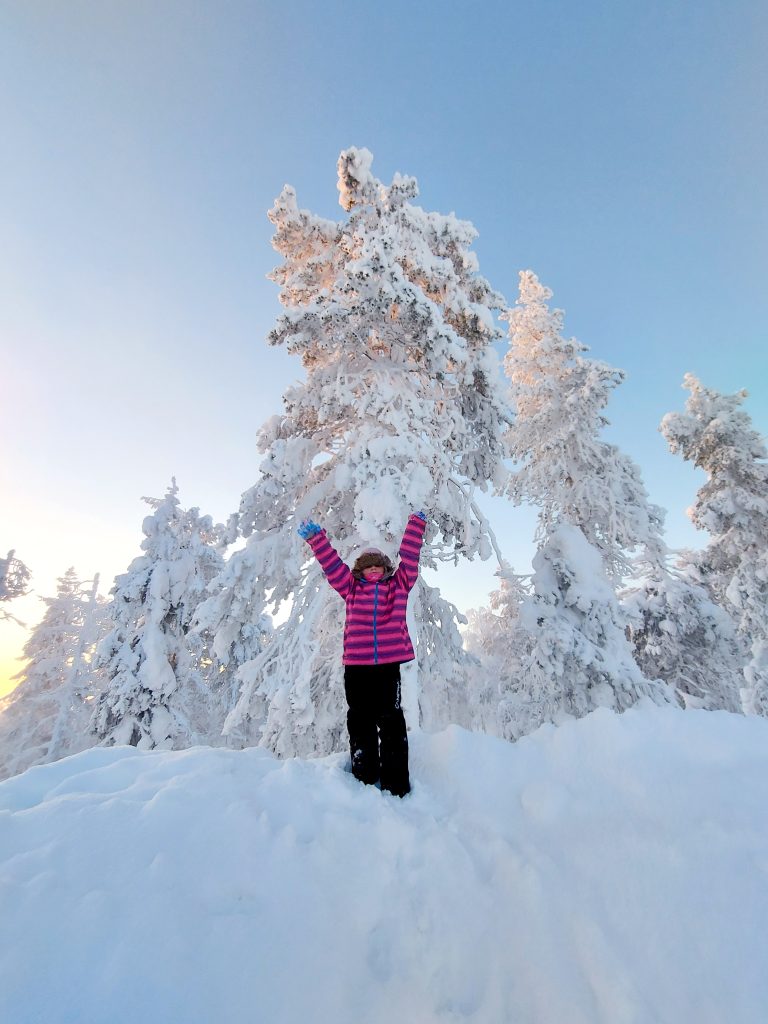
Both options worked well and I'd happily recommend either depending on the type of trip you're planning.
Looking back, there are a few mistakes I'd try to avoid.
Don't rely on one thick coat instead of wearing layers.
Don't buy boots that are too tight.
Don't forget a spare hat, gloves and snood because someone will almost certainly end up with wet ones.
Don't leave your power bank at home.
Don't assume you'll need thick fleece pyjamas for sleeping.
Finally, don't worry if you can't afford expensive ski clothing. We've stayed warm in temperatures of minus 28°C without spending a fortune by buying second hand, layering properly and hiring clothing when it made sense.
Jeans are fine for travelling to and from Lapland, but I wouldn't wear them for spending long periods outdoors. Thermal base layers with waterproof ski trousers are much warmer and far more comfortable.
Not necessarily. Most people can manage perfectly well with thermal layers, a warm middle layer and waterproof outer clothing. If you're snowmobiling, thermal suits are often provided.
Yes, and I'd definitely consider it for a short trip. We hired ours from Rovaniemi Insider during our January visit and found it much easier than buying another full set of clothing.
Exactly the same layering system as adults. Thermal base layers, a warm middle layer and waterproof outer clothing. We found fleece pyjamas made an excellent middle layer and saved us buying specialist clothing.
I'd say yes. Good waterproof snow boots with decent grip make walking on icy paths much safer and much more comfortable than ordinary winter boots.
Yes. The sunlight reflecting off fresh snow can be surprisingly bright, even in the middle of winter. We always pack a pair now.
Packing for Lapland really doesn't need to be as stressful as it first seems.
Before our first trip I was convinced we'd need to spend hundreds of pounds on specialist Arctic clothing. Three trips later, we've learnt that wearing the right layers is far more important than buying the most expensive gear.
Whether you decide to buy your own clothing or hire it once you arrive, the most important thing is staying warm, dry and comfortable so you can enjoy everything Lapland has to offer.
Hopefully our experiences over three trips have given you a better idea of what you'll actually need and, just as importantly, what you can probably leave at home.







Copyright © Build a Break | Website by Furness Media