If you’re planning a trip to Switzerland, there’s a good chance you’ve already come across the Swiss Travel Pass.
And if you’re anything like us before our first Switzerland trip, you’re probably wondering whether it’s actually worth the money, or whether it’s possible to end up massively overpaying for something you barely use.
The answer really depends on your itinerary.
Still planning your route? My Switzerland Travel Guide brings together all of my itineraries, scenic train guides and destination advice in one place.
For some trips, the Swiss Travel Pass can save a huge amount of money and make travelling around Switzerland incredibly easy. For others, especially slower-paced holidays staying mostly in one area, it may not work out as good value at all.
After travelling around Switzerland by train multiple times, these are the situations where we think the Swiss Travel Pass is worth it, when we’d probably skip it, and how to work out whether it’ll actually save you money on your own trip.
I've completed specialist Swiss public transport training and regularly update my knowledge with the Swiss Tourist Board, alongside exploring Switzerland myself.
Some of the links in this guide are affiliate links. This means we may earn a small commission if you book through them, at no extra cost to you. We only recommend products, routes and services we genuinely believe are useful for planning a Switzerland trip.
The Swiss Travel Pass gives unlimited travel across most of Switzerland’s public transport network, including:
It also includes:
The pass is available for:
You can choose either first or second class.
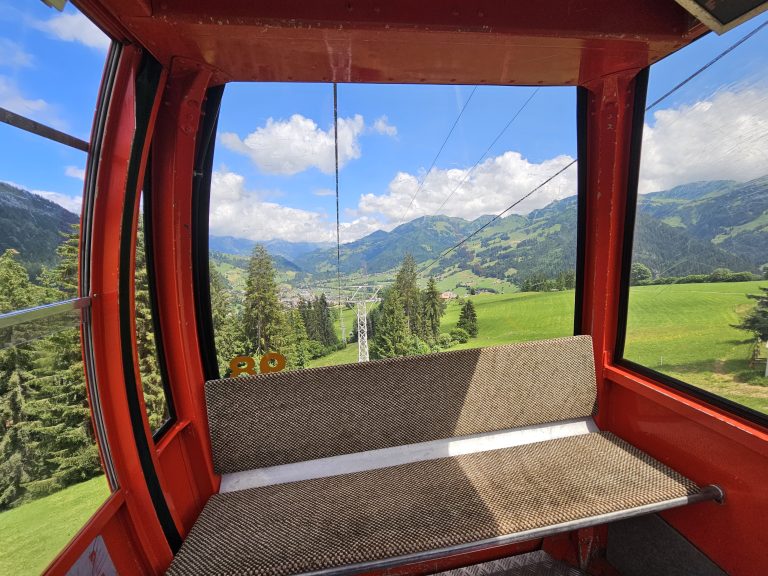
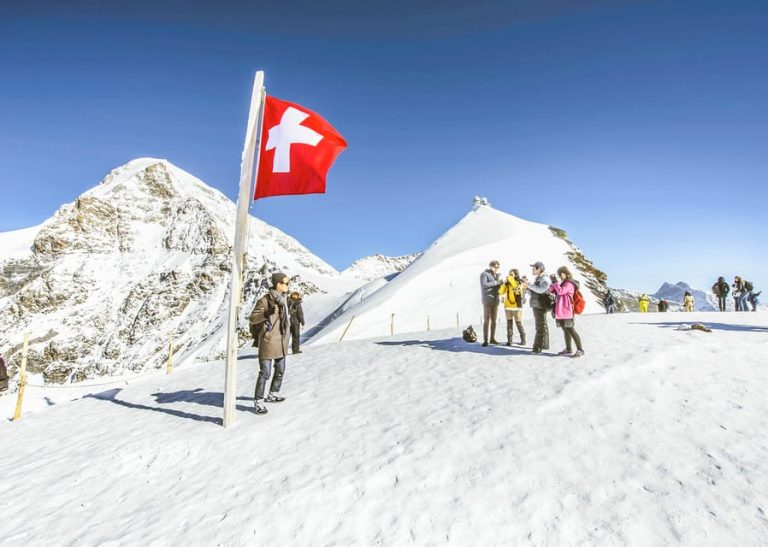
This catches a lot of people out.
Even if your Swiss Travel Pass covers the route itself, panoramic trains like the Bernina Express and Glacier Express still require seat reservations, which cost extra.
The pass covers the ticket portion, but not the reservation fee.
My guide to the best scenic train journeys in Switzerland compares these routes and may help you decide which ones to prioritise.
One of the biggest Switzerland train tips we discovered is that many regional trains follow the exact same routes as the famous panoramic trains.

For example, regional trains on the Bernina route travel through the same scenery, often with:
We chose to travel on the Bernina panoramic train because we wanted to experience the famous panoramic carriages, but next time we’d probably look at taking the regional train back for a bit more flexibility and easier photography.
You can read more about the differences in our Bernina Express vs Red Train guide.
Switzerland train travel definitely isn’t cheap, but the journeys themselves often become one of the highlights of the trip.
If you’re still budgeting for your Switzerland trip overall, our Is Switzerland Expensive? guide and Switzerland on a Budget tips guide may also help.

The Swiss Travel Pass works best when you’re moving around a lot.
If your itinerary looks something like:
…then transport costs can add up very quickly without a pass.
The more long-distance train journeys you take, the more value the pass usually offers.
Switzerland’s scenic trains are expensive individually.
Journeys like:
can quickly make the Swiss Travel Pass worthwhile.
The pass covers the actual train fare on these routes, although reservations are still paid separately.
If you’re planning scenic routes, you may also find these guides useful:
Discount available via the GetYourGuide App
One of the biggest advantages of the Swiss Travel Pass is convenience.
Instead of:
…you can simply board most trains, buses and boats using the pass.
This makes Switzerland feel much easier to travel around, especially for first-time visitors.
The pass includes free entry to hundreds of museums across Switzerland.
If you’re planning city stops alongside train travel, those savings can start adding up surprisingly quickly.
We think the Swiss Travel Pass works best for:
The more transport you use in a short period of time, the better the value usually becomes.
If you’re spending most of your trip based in places like:
…and only taking occasional transport, the pass may not save you much money.
For a slower trip based mainly around Interlaken, my 6 Day Switzerland Rail Itinerary may help you compare the journeys you’d actually take before buying a pass.
For longer trips with fewer travel days, individual tickets or a Half Fare Card can sometimes work out cheaper.
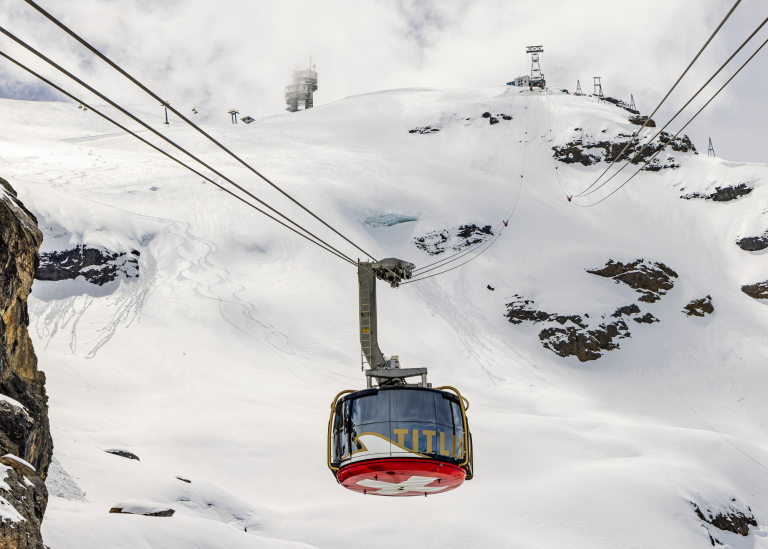
Not all mountain transport is fully included.
Some of Switzerland’s most expensive mountain excursions still require significant additional payments even with the Swiss Travel Pass.
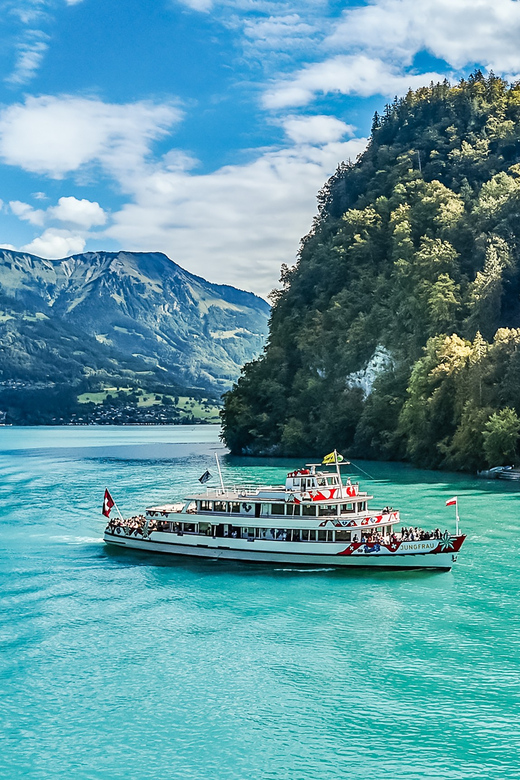
The upfront price of the Swiss Travel Pass can feel expensive initially.
For couples or families with older teenagers who don't qualify for the Swiss Family Card, the upfront cost can still feel significant, so it's worth comparing it against individual tickets before booking.
If you’re trying to keep transport costs as low as possible, it’s worth comparing individual ticket prices carefully before committing.
If you’re travelling more slowly or staying longer in Switzerland, the Swiss Half Fare Card may be a better option.
Instead of unlimited travel, it gives:
For some itineraries, especially longer trips, this can work out cheaper overall than buying a Swiss Travel Pass.
The best option really depends on:
One of the biggest advantages of the Swiss Travel Pass for families is the free Swiss Family Card.
Children aged 6 up to (but not including) their 16th birthday can travel free when accompanied by at least one parent holding a valid Swiss Travel Pass or Swiss Half Fare Card.
Children under 6 already travel free and don't need a Swiss Family Card. The Swiss Family Card is free and can be requested when you buy your pass. It allows eligible children to travel on the same routes covered by the accompanying adult's pass at no extra cost.
Children travelling without a parent don't qualify for the free Swiss Family Card, but they can usually travel using discounted child fares instead.
It's always worth checking the latest eligibility and fare rules before you book. For many families, this can make the Swiss Travel Pass much better value than it first appears.
Children travelling with a Swiss Family Card don't automatically receive a reserved seat. On most Swiss trains, seat reservations aren't required and families simply sit in any available seats.
However, if you're travelling on panoramic trains such as the Bernina Express or Glacier Express, you'll need to book seat reservations for everyone travelling, including children using a Swiss Family Card.
Reservation fees still apply, even though the child's travel is free.
My Bernina Express With Kids guide explains why we chose to buy separate children’s tickets instead of a Swiss Travel Pass. We were only taking two Swiss train journeys before continuing into Italy, so paying individually worked out cheaper for our family.
This is the easiest way we’ve found to work out whether the Swiss Travel Pass is worth it.
Write down:
Then compare:
This takes a little time, but it’s the best way to avoid overpaying.
For some itineraries, the savings are huge.
For others, the pass may only save a very small amount or even cost more.
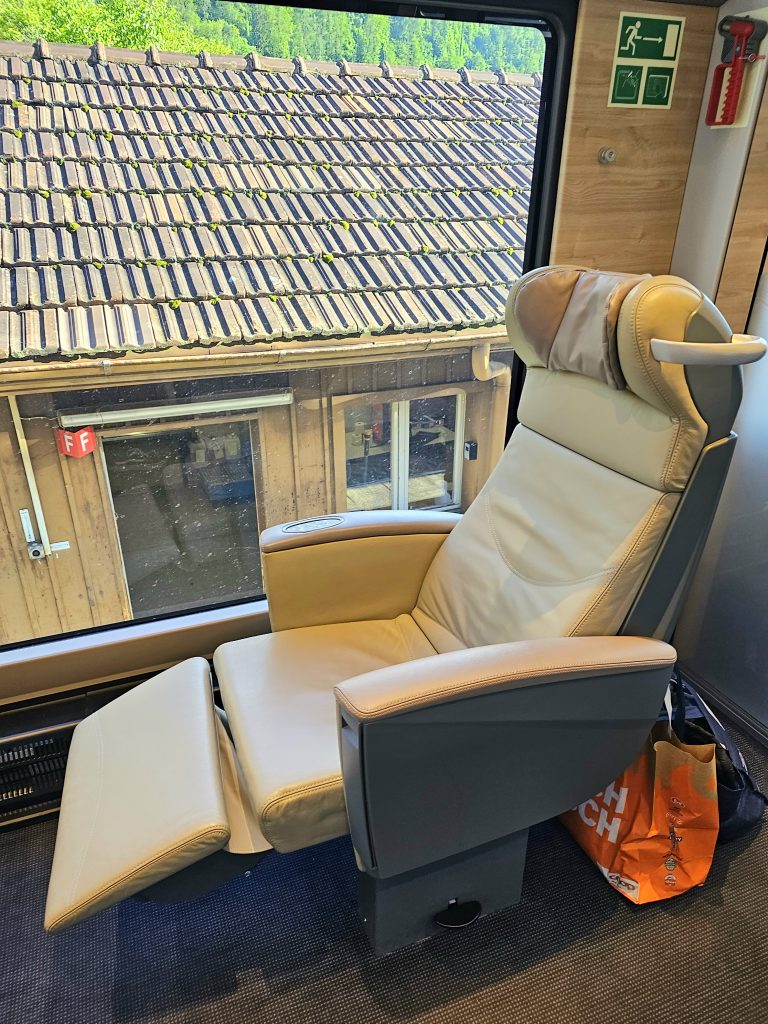
For shorter Switzerland trips, the Swiss Travel Pass can work really well if you plan to move around frequently and make the most of Switzerland’s public transport network.
For example:
The pass can quickly become worthwhile if you’re combining scenic trains, intercity travel and mountain excursions over a packed itinerary.
This is probably where the Swiss Travel Pass offers some of its best value, especially if you’re travelling between multiple regions like Lucerne, Interlaken, Montreux and Zermatt.
For route examples, compare my 4 Day Switzerland Itinerary, 6 Day Switzerland Rail Itinerary, 5 Day Bernina Express Itinerary, and 10 Day Switzerland Itinerary before pricing the pass against individual tickets.
For slower-paced itineraries with fewer travel days, alternatives like the Swiss Half Fare Card can sometimes work out cheaper overall.
The more transport you use within a shorter period of time, the better value the Swiss Travel Pass usually becomes.
My 4 Day Switzerland Itinerary is a good example of a faster-paced route where the convenience of a pass may be particularly useful
For many Switzerland itineraries, yes.
If you’re planning to explore multiple regions, travel frequently by train and include scenic rail journeys, the Swiss Travel Pass can save both money and hassle.
However, it’s not automatically the best option for every trip.
For slower holidays, single-region stays or travellers mainly focused on mountain excursions, alternatives like the Swiss Half Fare Card may offer better value.
The best approach is always to compare your planned transport costs against the pass price before booking.
You may also find these guides useful:
5 Scenic Train Journeys in Switzerland
My 4 Day Switzerland Itinerary







Copyright © Build a Break | Website by Furness Media